





















Now Reading: Punjab sugarcane area drops 14,000 hectares, farmers seek Rs 600 SAP
-
01
Punjab sugarcane area drops 14,000 hectares, farmers seek Rs 600 SAP


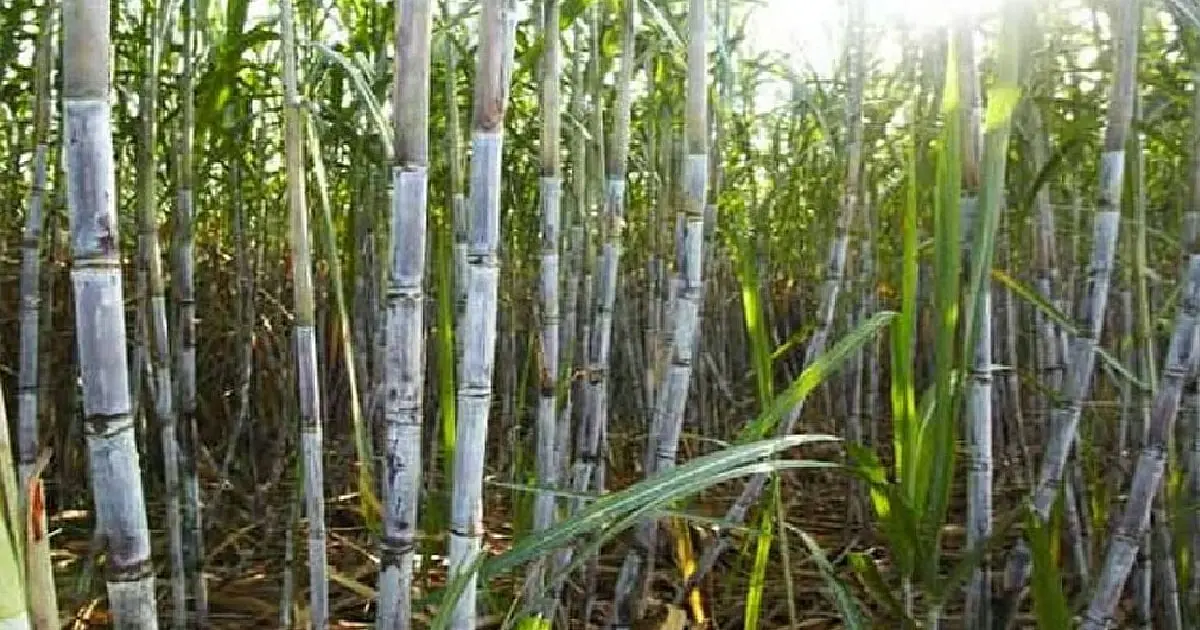
The area under sugarcane cultivation in Punjab has fallen by over 14,000 hectares to around 86,000 hectares this year, despite the AAP government's crop diversification efforts. Production has hit a six-year low, with mills crushing only 500 lakh quintals last season, down 20% from 632 lakh quintals the year before. The drop has forced some mills to shut early and left the Dhuri mill closed for a third straight year.
Retail sugar prices have surged about 35% in a month, raising supply concerns ahead of the festive season. Farmers blame delayed payments, rising input costs and labour shortages for the shift away from sugarcane to wheat and paddy. They are demanding the state-advised price (SAP) be raised from the current Rs 416 per quintal to Rs 600 per quintal. Punjab already pays the highest SAP in the country plus a subsidy of Rs 68.50 per quintal on behalf of private mills.
Nationally, sugarcane area stood at 58.44 lakh hectares as of August 21, down from 58.87 lakh hectares last year, according to the Ministry of Agriculture. Gains in Uttar Pradesh and Haryana partly offset declines in Bihar, Uttarakhand, Maharashtra, Punjab and Madhya Pradesh. The Punjab cane commissioner's final survey for this year is still pending.
Indian Opinion Analysis
The shrinking cane acreage in Punjab has direct fiscal consequences for the state's cooperative sugar mills, which processed nearly 40% of last season's crush. With annual average production of 780 lakh quintals, the state normally supplies 630 lakh quintals to mills, the shortfall this year means idle capacity and potential losses for nine government-owned mills. The demand for a Rs 600 SAP, 44% above the current rate, would push Punjab's subsidy burden higher. The central government sets the fair and remunerative price (FRP) as a floor, but states can add a SAP, and Punjab's is already the highest. If the state agrees to the hike, it could further strain its finances, if it refuses, more farmers may shift to wheat and paddy, deepening the supply deficit. The final cane survey, due soon, will show the true extent of the decline.
Source: newindianexpress.com
This brief was synthesised by AI from the source linked above. Methodology and corrections.