













Now Reading: Quick commerce drives 40-50% growth for HUL, premium play for Marico
-
01
Quick commerce drives 40-50% growth for HUL, premium play for Marico

Quick commerce drives 40-50% growth for HUL, premium play for Marico

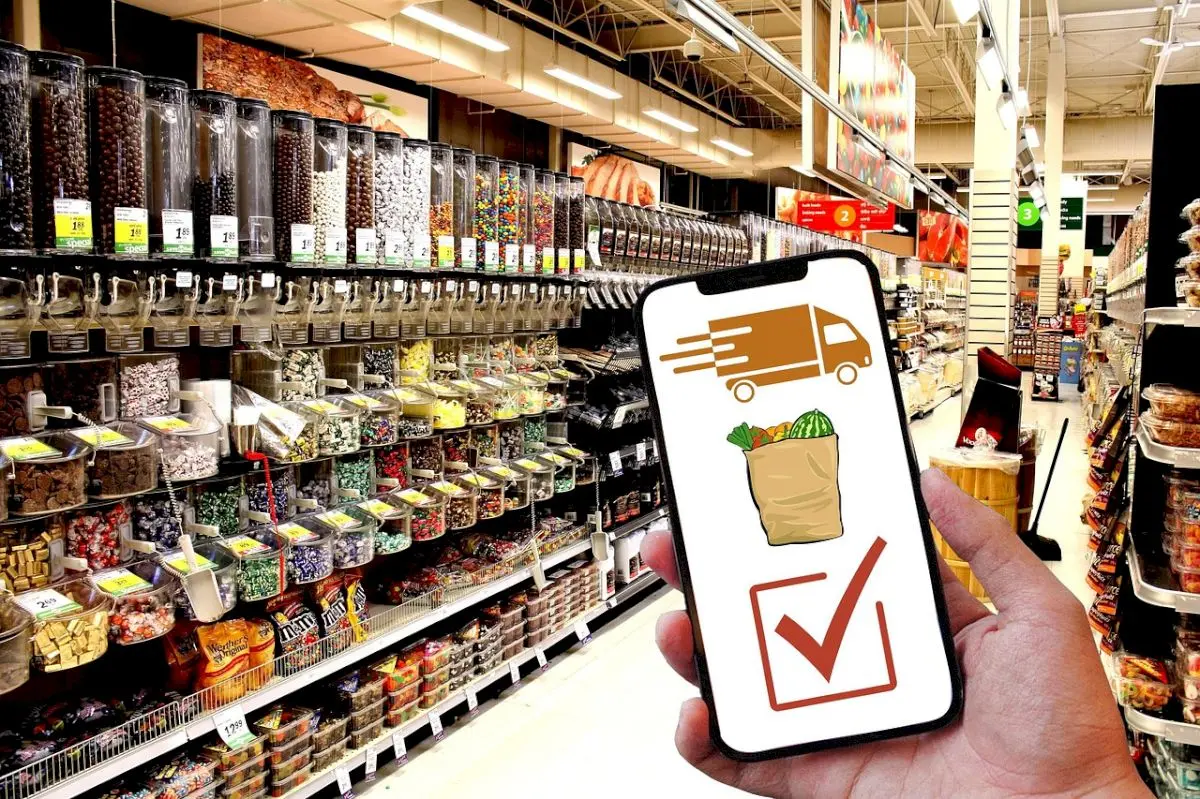
Hindustan Unilever, Nestle India, and Marico have all told investors that quick commerce is no longer just an experiment but a core growth driver. HUL said the channel now delivers 40-50% growth,…
The Story in Brief
Hindustan Unilever, Nestle India, and Marico have all told investors that quick commerce is no longer just an experiment but a core growth driver. HUL said the channel now delivers 40-50% growth, and the company is designing exclusive price packs and curating tech solutions for quick commerce platforms. Marico reported that quick commerce contributed over 50% to its core business growth and accounts for 5% of its India revenue, excluding digital brands. Marico is also testing new products specifically designed for quick commerce to avoid cannibalising its general trade sales.
AI, meanwhile, is being embedded across their value chains. HUL runs a digital-first distribution centre in Vijayawada with AI-enabled real-time visibility for demand sensing and warehouse operations. Marico is investing in AI-led demand forecasting. Both companies see quick commerce users as less price-sensitive and more convenience-driven, which allows them to push premium products through the channel.
The Indian Opinion
Legacy FMCG firms are now openly betting on quick commerce, but the narrative that it is merely a 'premium' channel ignores the truth: platforms are manipulating algorithms to push higher-margin items over staples, pushing up consumer bills. The real test will be whether these new price-pack architectures actually reduce household spending or simply lock users into costlier habits. Watch for the share of essentials sold at MRP versus discounted rates, that number will reveal who benefits most.
Source: medianama.com
This story was synthesised by AI from the source linked above.