




















Now Reading: Rabies After Vaccination Is Rare, But Wound Care Still Matters
-
01
Rabies After Vaccination Is Rare, But Wound Care Still Matters


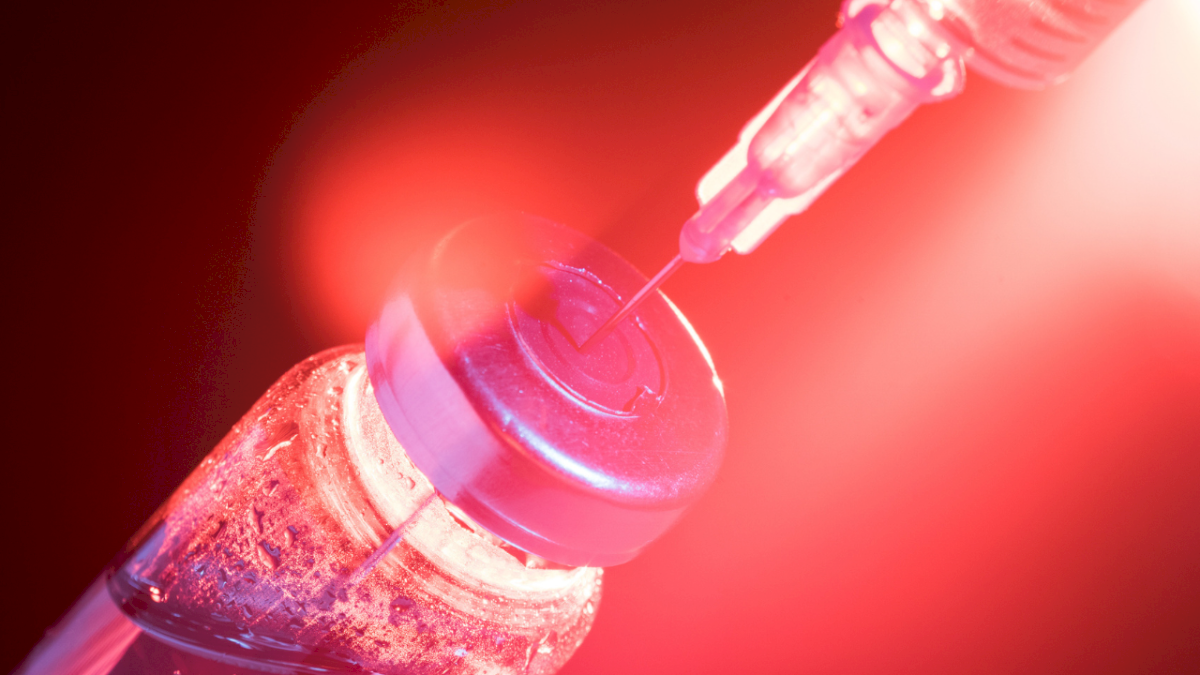
Rabies can develop after vaccination, but such cases are exceptionally rare, Times Now News reports. Most failures are linked to delayed treatment, poor wound cleaning, missed or wrongly given vaccine doses, or…
The Story in Brief
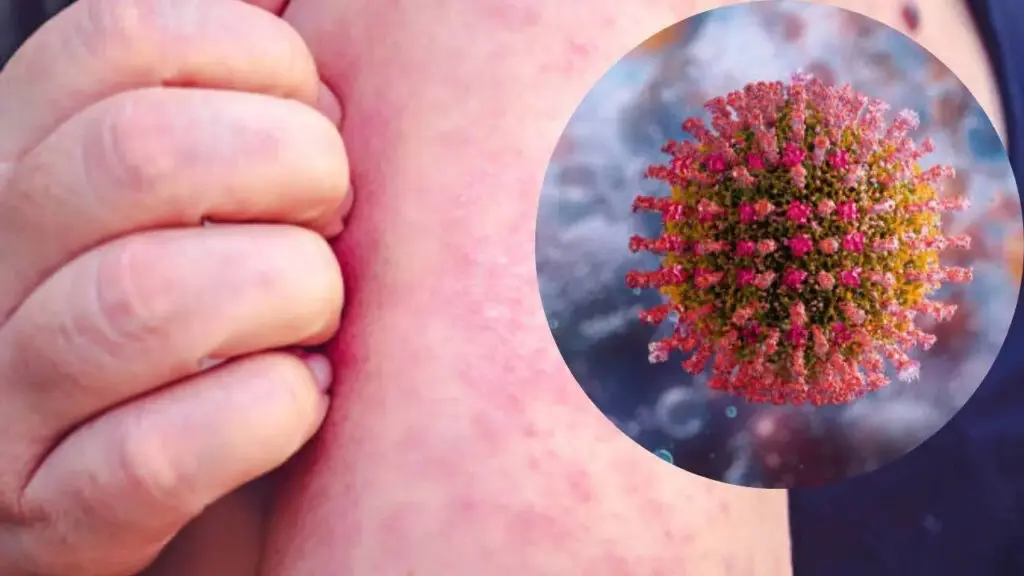
Rabies can develop after vaccination, but such cases are exceptionally rare, Times Now News reports. Most failures are linked to delayed treatment, poor wound cleaning, missed or wrongly given vaccine doses, or incorrect use of rabies immunoglobulin, rather than the vaccine itself. Rabies attacks the nervous system and is almost always fatal once symptoms appear, but treatment can prevent disease after exposure if started promptly.
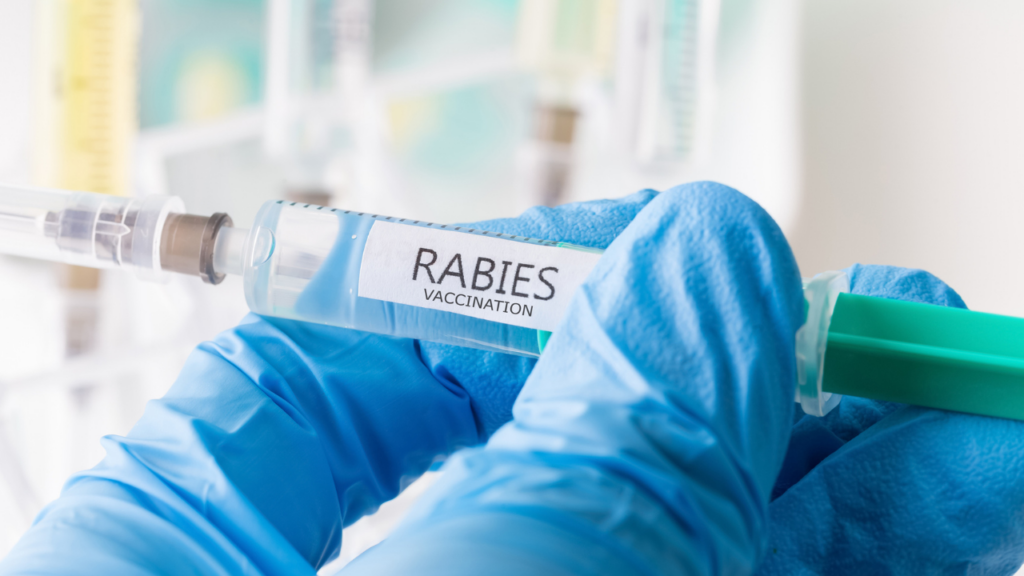
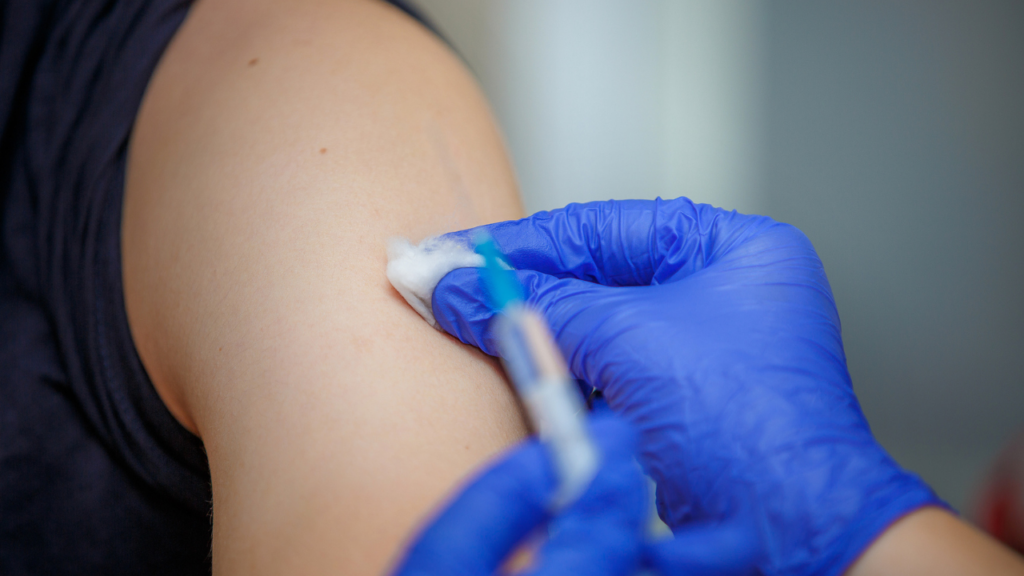
Post-exposure treatment includes washing the wound with soap and running water for at least 15 minutes, rabies immunoglobulin for previously unvaccinated people when required, and the full vaccine course. People vaccinated earlier may need two booster doses after a new exposure, but usually do not need immunoglobulin. Medical care remains necessary after every potentially risky bite or scratch.
The Indian Opinion
Two lazy claims often circulate: that vaccination makes every later bite harmless, or that a rare failure proves rabies vaccines do not work. Neither is supported here. Protection depends on prompt wound washing, the right immunoglobulin treatment and completing each dose on schedule. People with deep wounds or weakened immunity may face added risk. The practical test is simple: was treatment started immediately, and was every required step completed?
Source: timesnownews.com
This story was synthesised by AI from the source linked above. Methodology and corrections.