









Now Reading: Rajasthan High Court bans junk food in and near schools
-
01
Rajasthan High Court bans junk food in and near schools


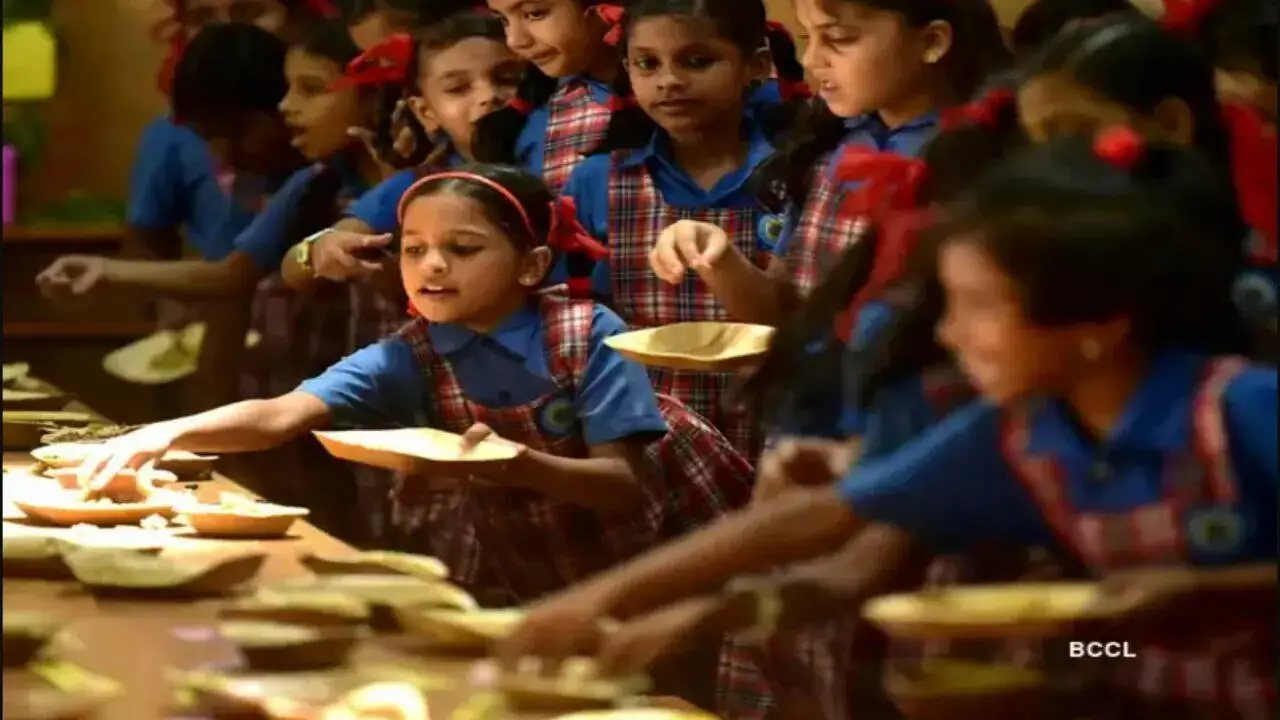
The Rajasthan High Court has banned the sale of high-fat, high-sugar and high-salt (HFSS) food items including carbonated drinks and chips in school canteens and within 50 metres of school gates. Taking suo motu cognisance of systemic deficiencies, the Jodhpur bench of Justice Anoop Kumar Dhand directed every school to form a food safety and nutrition committee within four weeks and display menu boards with calorie count, ingredients and nutritional value within eight weeks.
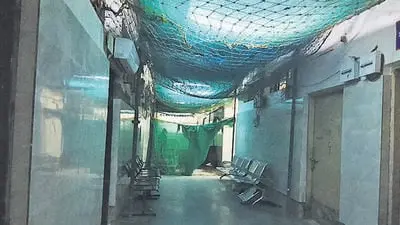
Notices have been sent to the Union Education Secretary, the Food Ministry, the FSSAI and the Rajasthan Chief Secretary, among others, who must respond within eight weeks. The court also raised concerns about paper leaks, excessive screen time among children, and inadequate infrastructure in rural government schools. Separately, the Supreme Court has put the central government on notice regarding front-of-pack warning labels on junk food, linking the issue to the right to life under Article 21.
Indian Opinion Analysis
Times Now leads with the Rajasthan High Court's ban and systemic deficiencies, quoting the court's generational concern. The Times of India leads with the Supreme Court's ultimatum and rising obesity data, framing government reluctance as the core problem. Both report court actions, but Times of India adds a critical edge by spotlighting the government's resistance to international standards. The combined reading shows parallel judicial pressure on junk food regulation, with the Rajasthan court acting on local gaps and the SC on national labelling delays. The FSSAI's response to both notices within eight weeks will be decisive.
Coverage: 2 sources, 1 government-critical, 1 neutral
Sources (2): timesnownews.com (neutral report), timesofindia.indiatimes.com (government critical)
This brief was synthesised by AI from the 2 sources linked above, so one read covers every framing they carry. Methodology and corrections.
Updated: this story now draws on 2 sources.