














Now Reading: Caste and corporate nexus drives India’s vegetarian mythology, doctor says
-
01
Caste and corporate nexus drives India’s vegetarian mythology, doctor says

Caste and corporate nexus drives India’s vegetarian mythology, doctor says

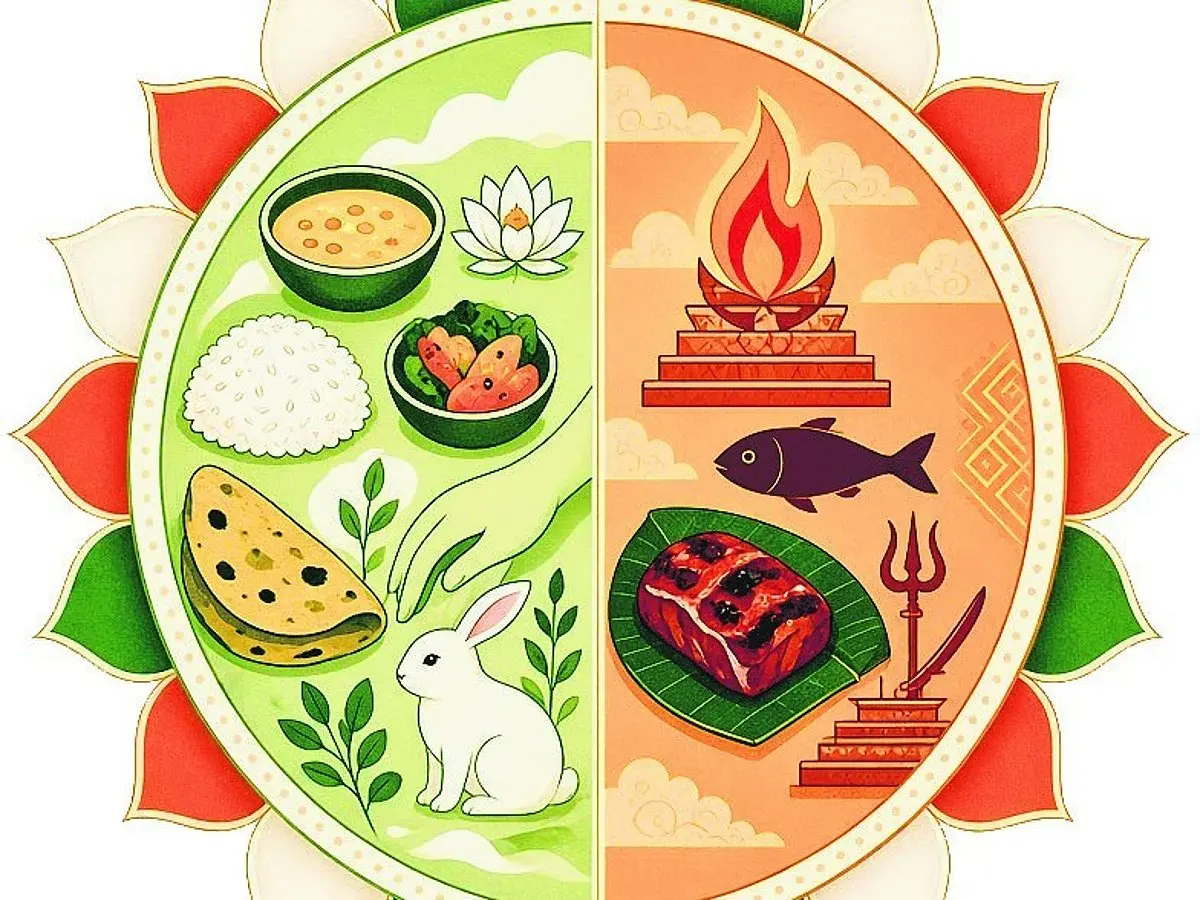
Public health doctor Sylvia Karpagam argues that India's self-image as a vegetarian nation is a myth sustained by caste privilege and corporate interests, not by science or data. In her book The…
Public health doctor Sylvia Karpagam argues that India's self-image as a vegetarian nation is a myth sustained by caste privilege and corporate interests, not by science or data. In her book The Meat of the Matter, she notes that only 20 per cent of Indians identify as vegetarian, yet policy and health advice systematically exclude eggs and meat, nutrient-dense, affordable foods that could address malnutrition. The New Indian Express traces the same debate through history, noting that the equation of vegetarianism with Hindu virtue and national character is a product of colonial classification and nationalist politics, not classical Indian tradition.
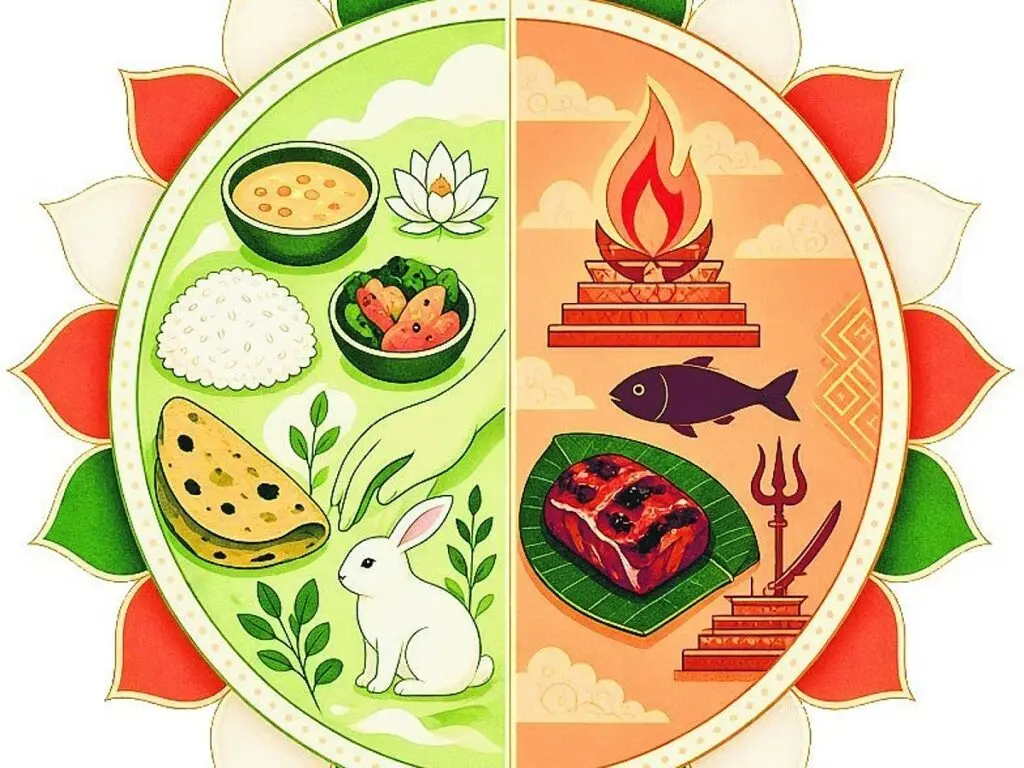
Karpagam's interview with Frontline highlights a caste-and-corporate nexus: dairy is labelled vegetarian, allowing privileged Indians to consume animal products while stigmatising meat and eggs for the poor. She cites the EAT-Lancet Commission's assumption that India is primarily vegetarian as an example of flawed research shaping policy. The Express piece notes that nearly 70 per cent of Indians eat meat, and that even BJP state leaders in Bengal have defended non-vegetarian traditions during Durga Puja, pointing to dietary flexibility that official narratives ignore.
The debate has practical stakes: if India's food policy and health messages incorporate Karpagam's evidence, mid-day meal schemes and official dietary guidelines could include eggs and meat. The Narendra Modi government's choice of vegetarian-only menus at events like the BRICS summit remains a flashpoint.
Indian Opinion Analysis
The New Indian Express frames dietary politics as a historical and cultural continuum, tracing vegetarianism's evolution through colonial classification and nationalist consolidation without explicitly blaming the current government for creating conflict. Frontline's interview with Dr. Karpagam directly names caste privilege and corporate interests as drivers of a vegetarian propaganda that harms nutrition policy and the poor. The Express piece mentions the BRICS vegetarian buffet but treats it as one episode in a long argument, while Frontline frames the entire vegetarian identity as a myth engineered by elites. Karpagam's book provides a clear contemporary critique that the Express article's historical sweep lacks. The nuance the Express acknowledges, dietary flexibility, regional variation, is precisely what Karpagam argues gets erased. The concrete next step is whether the government's food policies for mid-day meals or state functions will incorporate the nutritional evidence Karpagam cites.
Coverage: 2 sources, 1 government-critical, 1 neutral
Sources (2): newindianexpress.com (neutral report), frontline.thehindu.com (government critical)
This brief was synthesised by AI from the 2 sources linked above, so one read covers every framing they carry.