












Now Reading: RBI says MDR talks premature as Congress questions UPI bill
-
01
RBI says MDR talks premature as Congress questions UPI bill


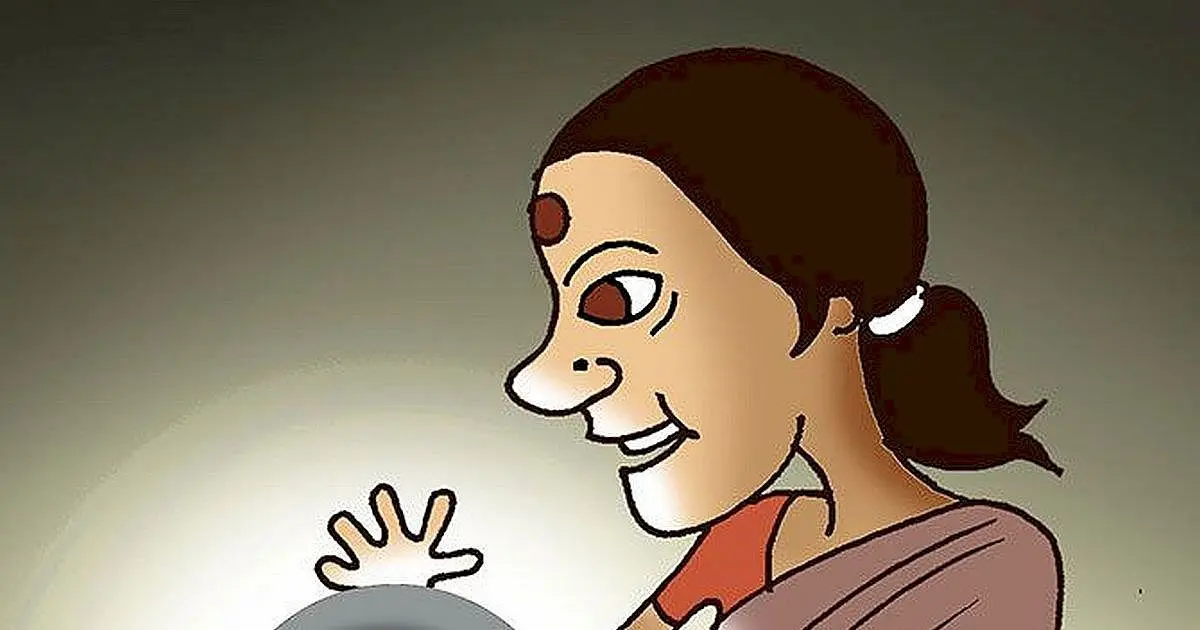
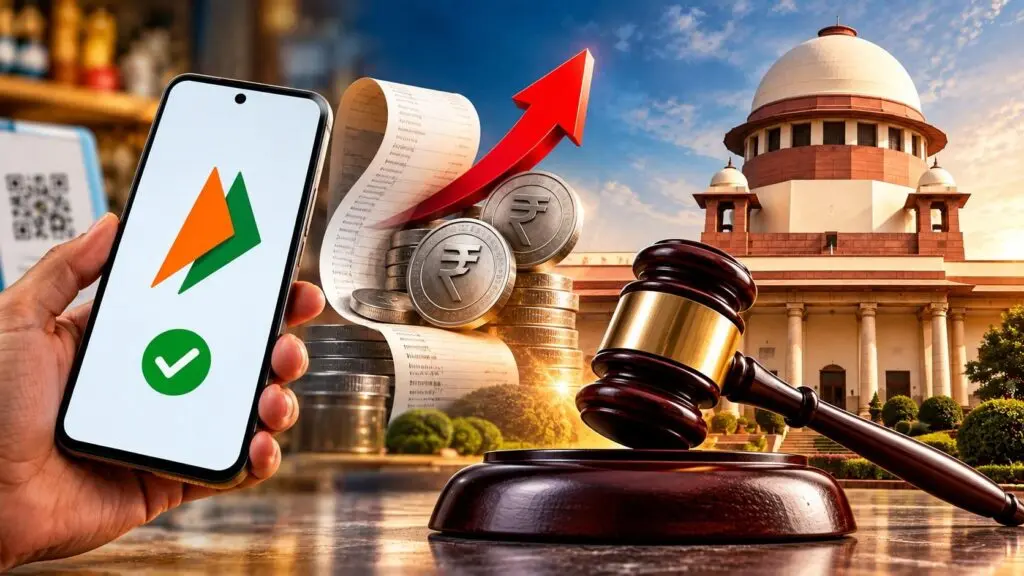
RBI Governor Sanjay Malhotra called discussions on Merchant Discount Rate (MDR) for digital payments premature, urging stakeholders to wait and watch. He said investment in public payment infrastructure requires someone to pay,…
The Story in Brief
RBI Governor Sanjay Malhotra called discussions on Merchant Discount Rate (MDR) for digital payments premature, urging stakeholders to wait and watch. He said investment in public payment infrastructure requires someone to pay, either taxpayers through taxes or merchants through MDR under a user-pays model. The government is moving amendments to statutes governing digital payments, which could enable MDR.
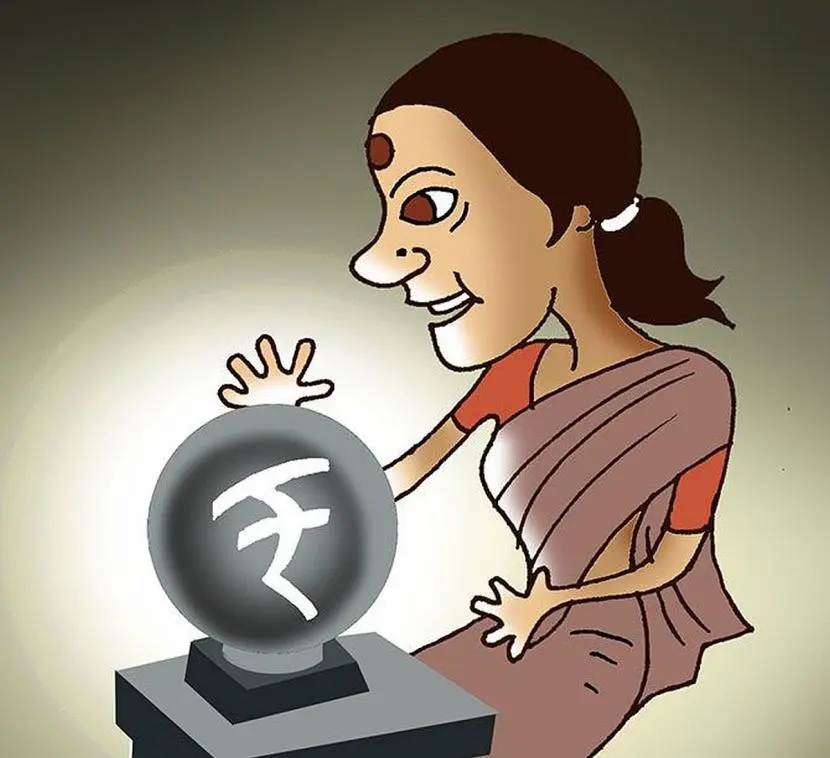
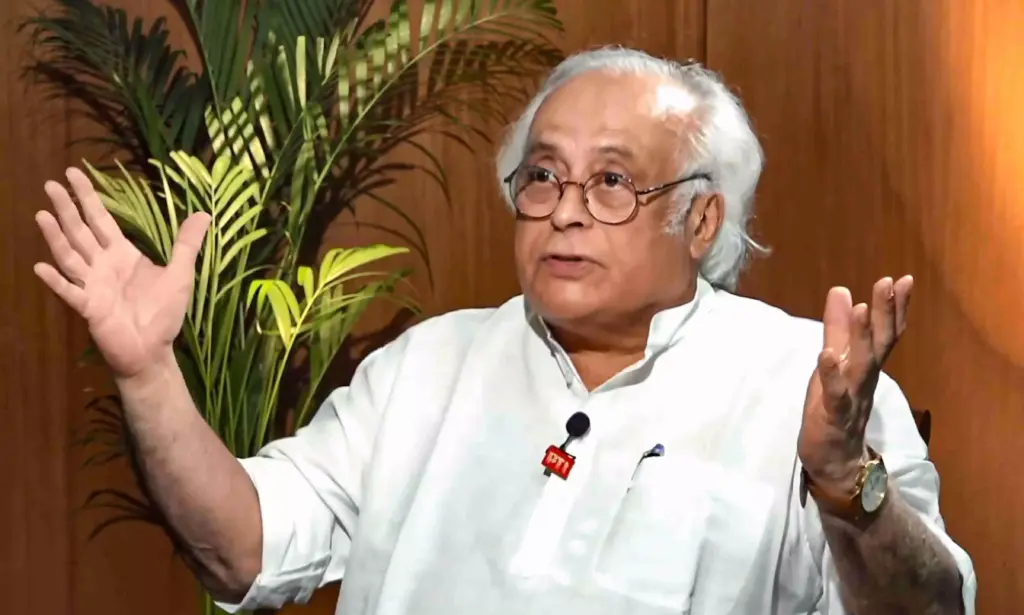
Congress leader Jairam Ramesh hit back at Finance Minister Nirmala Sitharaman, arguing the Taxation and Other Laws (Amendment) Bill removes the statutory zero-MDR guarantee for UPI. Ramesh claimed merchants inevitably pass transaction costs to consumers, and that government assurances are no substitute for legal safeguards. He also questioned the timing, pointing to US pressure on India's digital payments ecosystem.
The Indian Opinion
Both sides are exaggerating. The government insists MDR will only hit merchants, not users, while the Opposition warns it will destroy UPI's zero-cost model. The truth: MDR exists for cards, but UPI's free model drove its record adoption. The bill merely empowers the government to decide fees by notification, not an immediate levy. The real test will come when the government issues that notification. Will it set MDR low enough to protect small vendors, or will it favour banks and fintechs? Watch the fine print.
Sources (2): rediff.com, thefederal.com
This story was synthesised by AI from the 2 sources linked above.
Updated: this story now draws on 2 sources.