












Now Reading: RBI proposes Basel-aligned leverage ratio, tighter norms for G-SIBs
-
01
RBI proposes Basel-aligned leverage ratio, tighter norms for G-SIBs


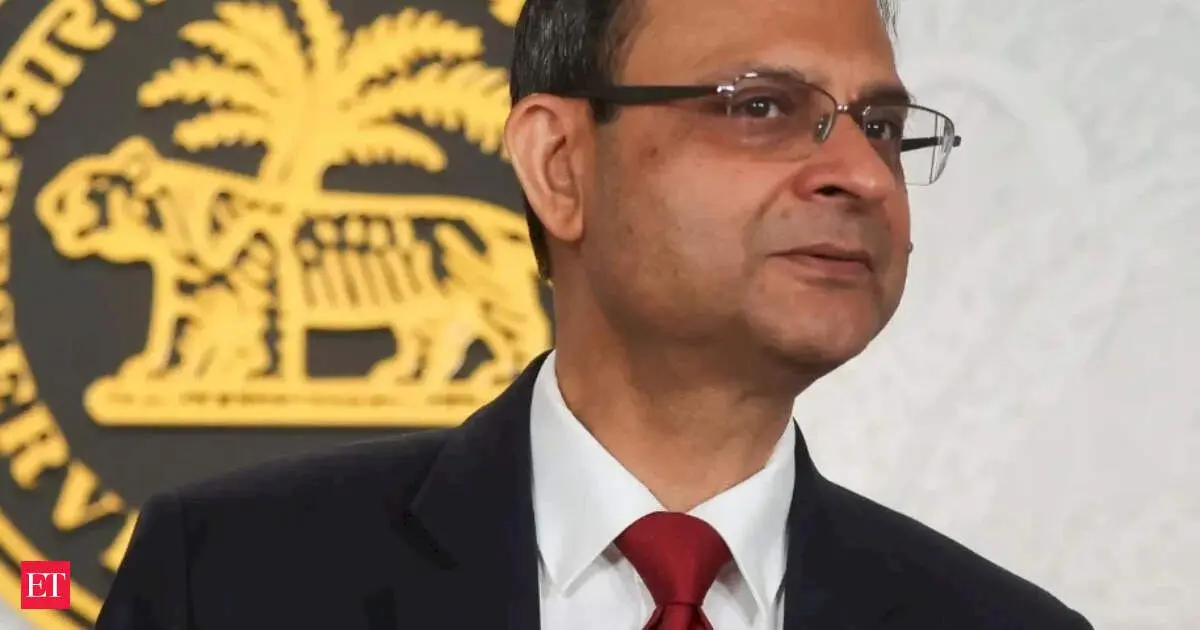
The Reserve Bank of India has proposed new leverage ratio requirements for commercial banks, aligning Indian rules with the latest Basel Committee on Banking Supervision framework. Under the draft circular issued Friday,…
The Story in Brief
The Reserve Bank of India has proposed new leverage ratio requirements for commercial banks, aligning Indian rules with the latest Basel Committee on Banking Supervision framework. Under the draft circular issued Friday, branches of globally systemically important banks (G-SIBs) must maintain a minimum 3.5% leverage ratio plus an applicable buffer. Domestic systemically important banks, State Bank of India, HDFC Bank and ICICI Bank, will continue to face a 4% floor. Other commercial banks keep the existing 3.5% minimum.
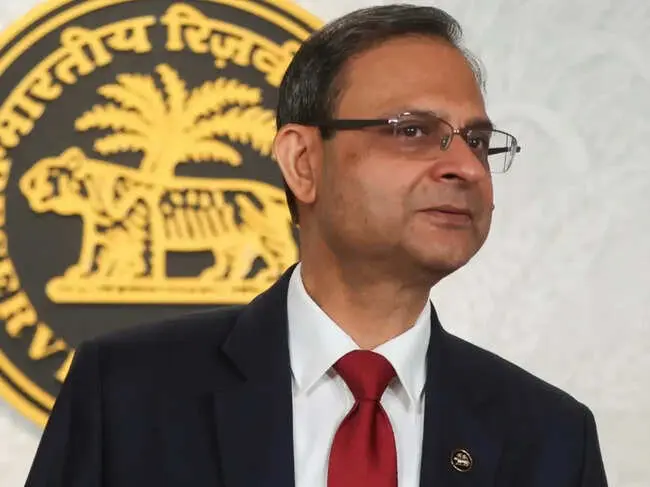
The leverage ratio measures tier 1 capital against total exposure without risk-weighting. The RBI has invited comments until August 28 and said the amended rules, once finalised, will take effect from April 1, 2027. The proposal also introduces capital distribution constraints for G-SIB branches that fail to meet the buffer requirement and details stricter treatment of derivatives, securities financing and off-balance-sheet items.
The Indian Opinion
The new rules are being sold as a prudential tightening, but they merely codify what Basel III already demands. Some banks may cry over the 4% floor for domestic systemically important lenders, yet SBI, HDFC Bank and ICICI Bank already maintain levels near that. The real test is whether the 3.5% plus buffer for foreign bank branches catches any off guard. Watch the August 28 comment deadline, and the small print on derivative exposures, for signs of genuine pushback.
Sources (2): economictimes.indiatimes.com, livemint.com
This story was synthesised by AI from the 2 sources linked above.
Updated: this story now draws on 2 sources.