




















Now Reading: RBI proposes new loan pricing norms from April 2027
-
01
RBI proposes new loan pricing norms from April 2027



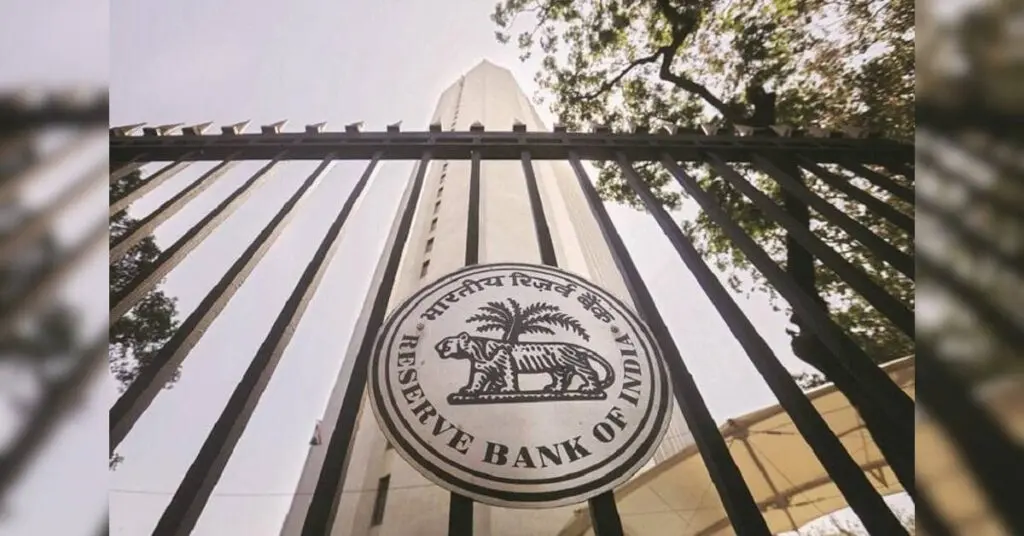
The Reserve Bank of India has proposed new directions for how banks, housing finance companies and NBFCs set interest rates on loans, with the draft framework proposed to take effect from 1 April 2027. Floating-rate loans will have to be priced above the benchmark, and lenders must seek borrower consent before migrating existing loans to the new framework. The migration must not result in a higher interest rate than before, and no fee can be charged.

Livemint reports that the RBI's proposal would require the benchmark, reset frequency and reset date to be clearly specified in loan agreements. For most floating-rate loans, the benchmark reset frequency would be capped at three months. Lenders would also face restrictions on altering the spread: the credit-risk premium could be revised only after a review of the borrower's credit profile, and other spread components generally cannot be changed before three years.
The Economic Times reports that the proposed benchmark-plus-spread framework could reduce pricing flexibility for large prime-market housing finance companies such as LIC Housing Finance and Bajaj Housing Finance, which currently use an internal prime lending rate and offer loans below it. Affordable housing finance companies are expected to see a lower impact because of their structurally higher spreads. The draft does not make external benchmarks mandatory for NBFCs and HFCs. Existing floating-rate loans must migrate to the revised framework by 1 April 2029.
Sources (2): livemint.com, bfsi.economictimes.indiatimes.com
This story was synthesised by AI from the 2 sources linked above. Methodology and corrections.
Updated: this story now draws on 2 sources.