














Now Reading: Read insurance documents before signing, avoid claim rejection
-
01
Read insurance documents before signing, avoid claim rejection


Insurance agents often urge customers to sign blank proposal forms, promising to handle the paperwork. This is a risky practice because the customer bears full responsibility for any errors or omissions in…
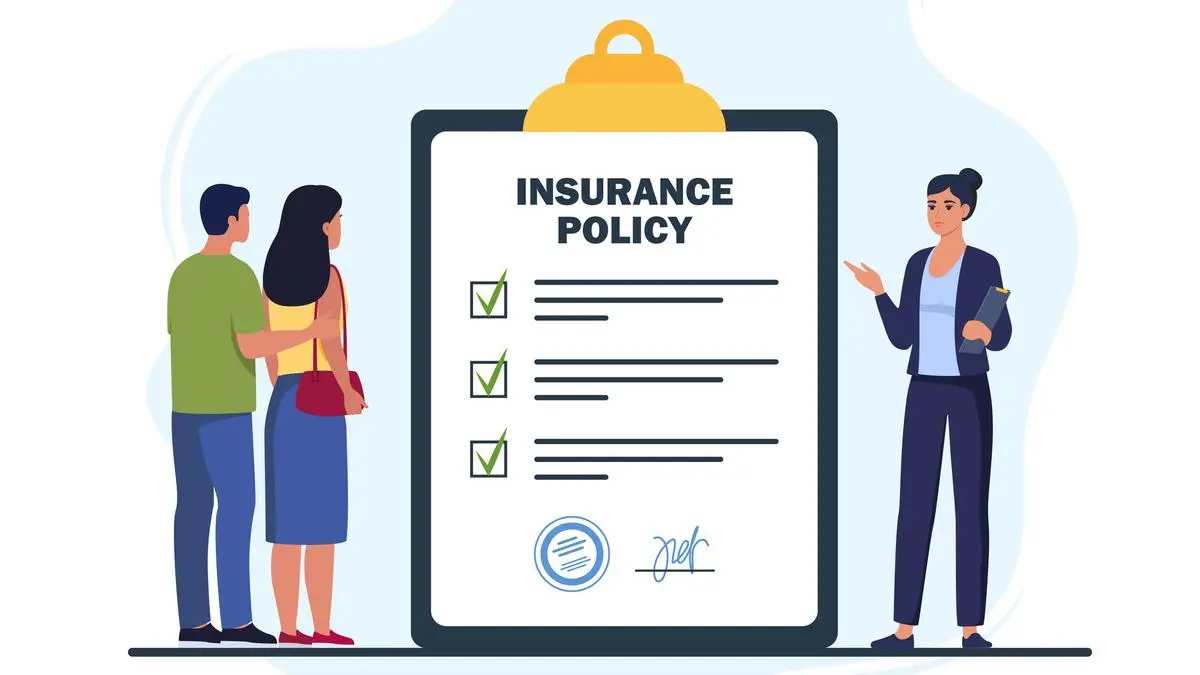
Insurance agents often urge customers to sign blank proposal forms, promising to handle the paperwork. This is a risky practice because the customer bears full responsibility for any errors or omissions in the form, even if filled by the agent. Mistakes in address, phone number, or concealing pre-existing diseases can lead to missed renewal notices or claim rejection.
Customers should never rely on oral promises about coverage, terms, or returns. What is said verbally is hard to prove in a dispute. The policy document alone determines what is covered and what is not. If verbal assurances differ from written terms, the customer must raise the issue immediately in writing with the insurer.
The Insurance Regulatory and Development Authority of India (IRDAI) provides a 30-day free-look period for life and health insurance policies. During this time, customers can cancel the policy and get a refund if they find discrepancies or change their mind. This window is a valuable chance to review and correct any mismatches between what was promised and what is written.
Indian Opinion Analysis
The core principle in insurance contracts is 'uberrima fides' or utmost good faith, where both parties must disclose all material facts. Indian courts have consistently upheld that the policyholder bears the burden of truth in the proposal form, even if an agent filled it. The IRDAI's 30-day free-look period, extended from 15 days in 2023, is a statutory cooling-off window, not a substitute for initial diligence. For a typical family health cover costing Rs 30,000-50,000 annually, a single claim rejection for non-disclosure can wipe out years of premiums. The realistic next step for a consumer is to compare the policy document's benefit schedule with the agent's marketing material within the first week of receipt, leaving time for a written cancellation request if needed.
The Supreme Court has ruled in cases like LIC vs.
Source: thehindu.com
This brief was synthesised by AI from the source linked above.