















Now Reading: Retired bureaucrats push tourism marketing, but India needs fixes first
-
01
Retired bureaucrats push tourism marketing, but India needs fixes first

Retired bureaucrats push tourism marketing, but India needs fixes first

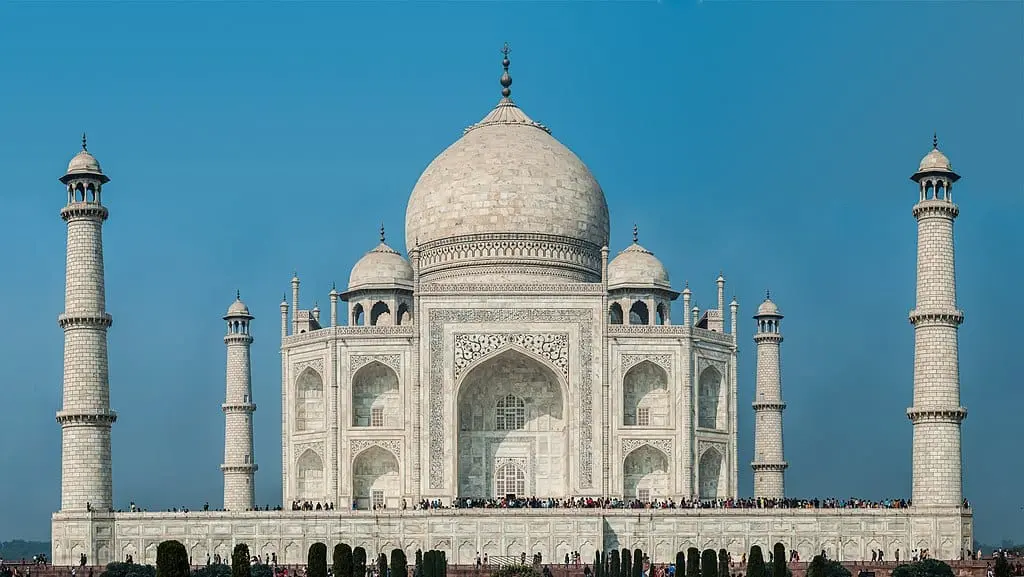
India's tourism growth is held back not by lack of marketing but by poor governance, safety concerns, inadequate cleanliness, chaotic traffic, and a cumbersome bureaucracy, argues a former civil servant writing on theprint.in. The author contends that no advertising campaign can compensate for bad on-ground experience, and that international tourists choose destinations based on reputation earned through good governance, not glossy brochures.
Domestic tourism, where Indians are more tolerant of the country's quirks, is thriving, but foreign visitor numbers remain low, India is not yet an easy place to visit. The solution, the author says, is not another roadshow or delegation but fixing basic infrastructure, public hygiene, safety, and regulatory simplicity so that the product speaks for itself. Tourism follows good governance, not the other way round.
Indian Opinion Analysis
India's tourism challenge mirrors a structural gap between potential and delivery that successive government reports have documented. The Ministry of Tourism's own 2022-23 annual report noted that infrastructure bottlenecks, safety concerns, and cleanliness deficits remain the top barriers cited by international visitors. India attracted about 6.2 million foreign tourists in 2023, compared with Thailand's 28 million and Vietnam's 12.6 million, both far smaller economies. The NITI Aayog's 2019 tourism strategy paper explicitly warned that marketing spend cannot substitute for on-ground improvement. The Ministry of Tourism's budget for 2024-25 allocated Rs 2,400 crore, of which a significant portion goes to promotional campaigns under schemes like 'Incredible India' and 'Swadesh Darshan'. The real test is whether the upcoming Tourism Infrastructure Development Fund, announced in the 2024 budget, will coordinate with state governments on toilets, pavements, traffic management, and single-window clearances, or remain another centrally planned scheme that state officials bypass.
Source: theprint.in
This brief was synthesised by AI from the source linked above. Methodology and corrections.