














Now Reading: Urbanisation pace too slow for 2047 goal, says Panagariya
-
01
Urbanisation pace too slow for 2047 goal, says Panagariya


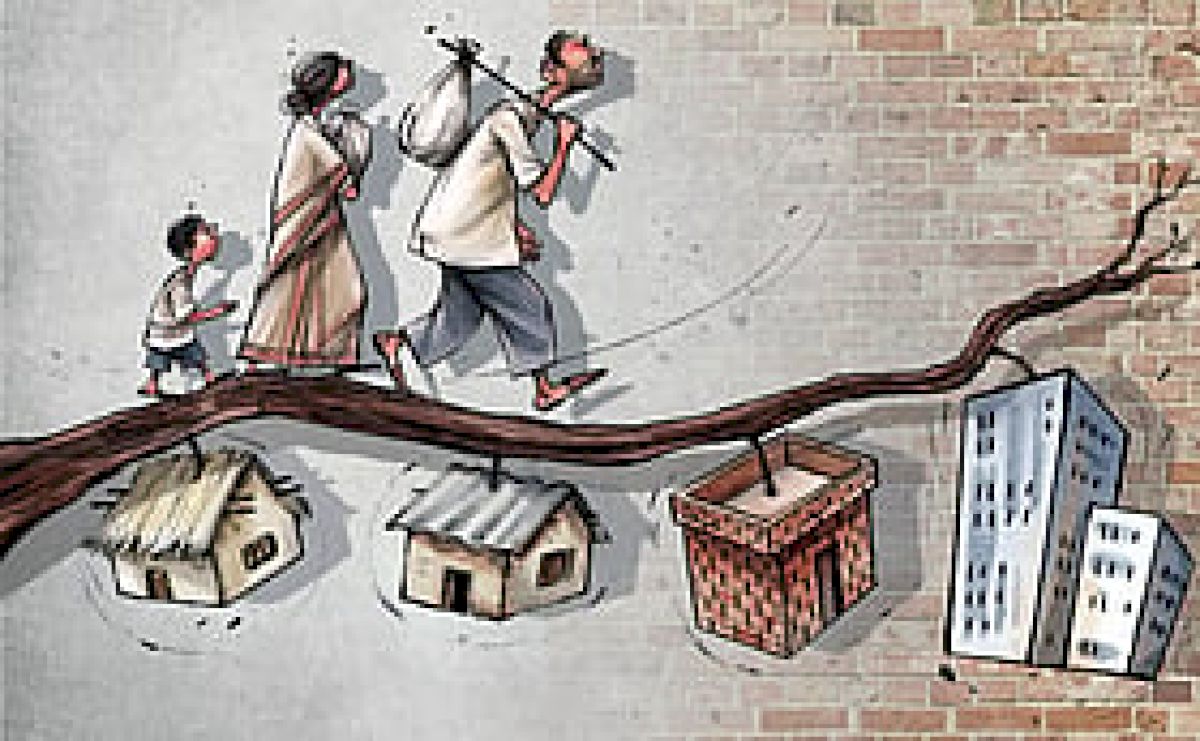
Economist Arvind Panagariya has said India must accelerate urbanisation to become a developed nation by 2047. Speaking at the NCAER India Policy Forum 2026, the former 16th Finance Commission chairman noted India's…
The Story in Brief
Economist Arvind Panagariya has said India must accelerate urbanisation to become a developed nation by 2047. Speaking at the NCAER India Policy Forum 2026, the former 16th Finance Commission chairman noted India's urban population is about 35%, far behind South Korea and Taiwan at similar stages of industrialisation. He called land scarcity and restrictive building regulations the biggest obstacles, urging states to raise FSI limits, free up idle government land, and create special employment regions.
India's urbanisation has been actively driven by policies since the 1990s, from the Mega City scheme and JNNURM to the Smart Cities Mission. Yet the country's political and institutional machinery still tilts heavily toward rural voters, even as a third of Indians now live in cities. Panagariya argued that without faster migration into urban centres, high economic growth will not be sustainable.
The Indian Opinion
Panagariya's prescription is clear, but the narrative that urbanisation alone will lift India hides real frictions. Cities concentrate opportunity and also inequality, communal tension, and crumbling infrastructure. His call to ease land acquisition and building rules will face the same farmer resistance that blocked the 2015 land Act amendment. The concrete test is not just faster migration, it is whether state governments, which hold the real levers, can overcome local politics to reform urban governance and housing for the migrants cities need.
Sources (2): newindianexpress.com, livemint.com
This story was synthesised by AI from the 2 sources linked above.
Updated: this story now draws on 2 sources.