










Now Reading: NCAER study says Bihar alcohol ban failed to curb crimes against women
-
01
NCAER study says Bihar alcohol ban failed to curb crimes against women


The National Council of Applied Economic Research (NCAER) has recommended Bihar withdraw its alcohol ban, saying the prohibition failed to reduce crimes against women. In a research paper titled 'Macro Perspective of…
The Story in Brief
The National Council of Applied Economic Research (NCAER) has recommended Bihar withdraw its alcohol ban, saying the prohibition failed to reduce crimes against women. In a research paper titled 'Macro Perspective of Bihar's Development Achievements, Unfinished Agenda, and the Way Forward', the think tank said reported crimes against women increased after the ban was introduced in April 2016. The study also found a rise in illicit liquor networks, alternative intoxicants, and corruption.
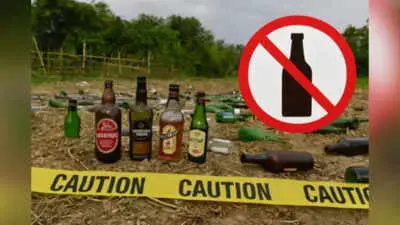
The paper, led by economist Ratna Sahay and presented at the India Policy Forum, said restoring liquor excise duty to pre-ban levels could increase the state's own revenues by 14-15 per cent. Before prohibition, excise duty contributed about 14 per cent of Bihar's own revenues. The state has also spent heavily on enforcement and anti-smuggling operations. The study identified education, health, governance, flood mitigation, private-sector development, and women's empowerment as key priorities for Bihar.
The Indian Opinion
Both supporters and opponents of Bihar's alcohol ban have long claimed the moral high ground. This NCAER study now punctures the central argument for prohibition: that it would protect women. Yet the paper's data shows reported crimes against women actually rose after 2016. That is not proof the ban caused the rise, but it does gut the simplistic case for keeping it. The real test is whether Bihar's leaders will now follow the evidence or continue a policy that costs the state 14-15% of its own revenues.
Sources (2): deccanherald.com, timesofindia.indiatimes.com
This story was synthesised by AI from the 2 sources linked above.
Updated: this story now draws on 2 sources.