













Now Reading: Risk distribution grows as lending ecosystem specialises
-
01
Risk distribution grows as lending ecosystem specialises


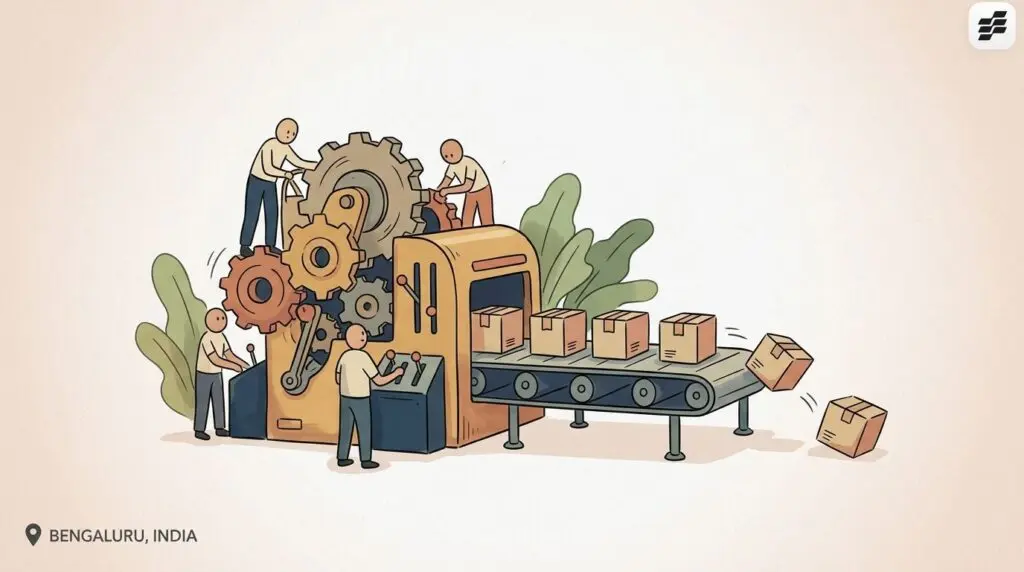
India's lending ecosystem is increasingly interconnected as banks, NBFCs and fintechs take on specialised roles, distributing risk across multiple entities. Traditionally, a single institution handled every stage of lending, but now customer acquisition, underwriting, funding, and servicing are split among partners. Technology platforms, e-commerce marketplaces, and payment apps have added another layer by integrating credit at the point of sale.
This shift relies heavily on data quality and interoperability. Credit bureaus provide historical borrower data while digital payment systems and consent-based Account Aggregators offer richer analytics. However, coordination and clear governance frameworks are becoming as critical as innovation to preserve customer trust and regulatory compliance.
Indian Opinion Analysis
This distribution of risk is a structural shift from the traditional bank-led model that dominated Indian lending for decades. NBFCs and fintechs now handle origination and technology, while banks provide capital, a division that reduces concentration risk but introduces coordination risk. The real test will come during a credit cycle downturn, when defaults test whether data-sharing and co-lending agreements hold up under stress. Watch for RBI's upcoming guidelines on digital lending and how the Account Aggregator framework expands, as these will determine if the ecosystem can scale safely without a systemic shock.
Source: livemint.com
This story was synthesised by AI from the source linked above. Methodology and corrections.