









Now Reading: RRB Group D PET 2026: Physical test rules for men, women out
-
01
RRB Group D PET 2026: Physical test rules for men, women out


The Story in Brief
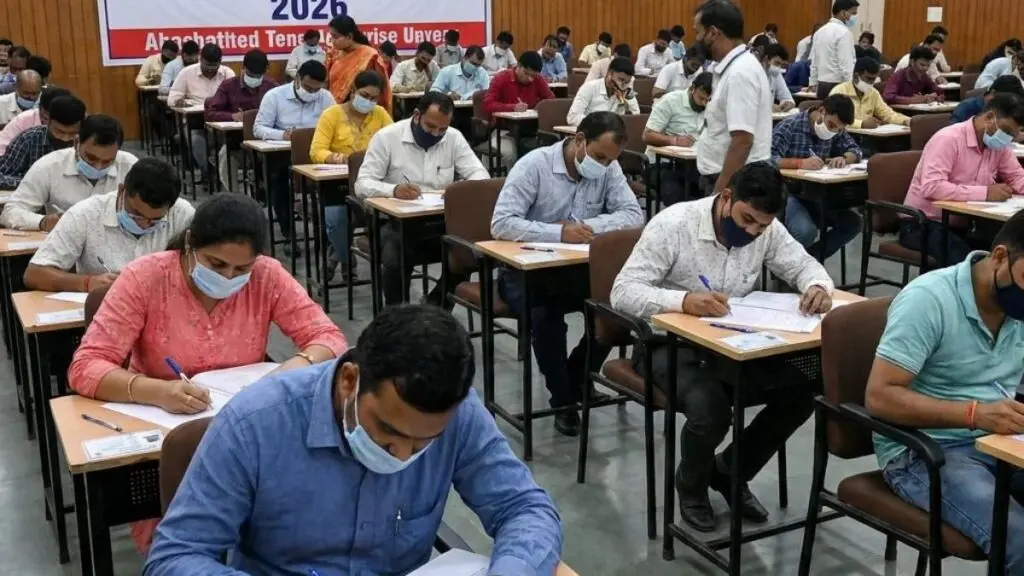
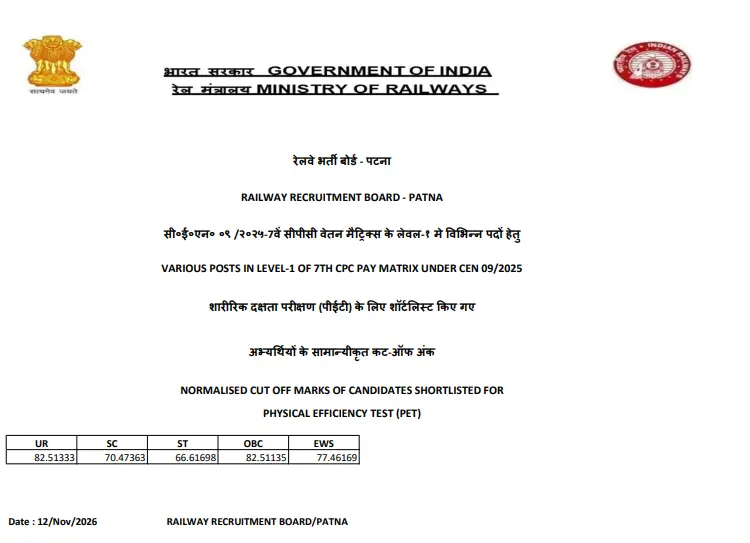
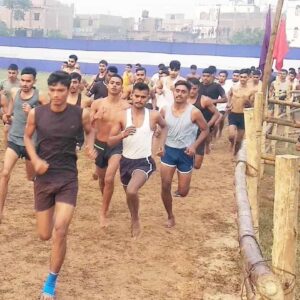
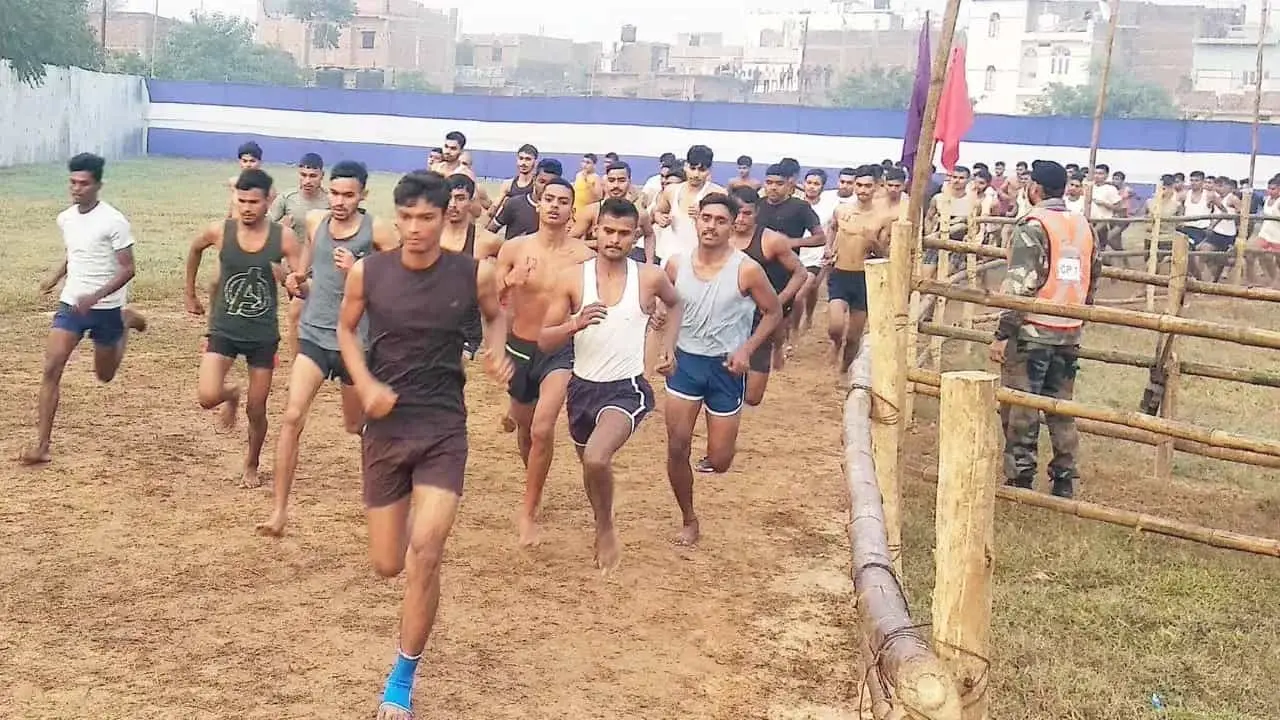
Candidates who passed the Railway Group D recruitment computer-based test (CBT) must now prepare for the physical efficiency test (PET). The test includes a weight-carry and a run. Men must carry a 35 kg sandbag over 100 metres within 2 minutes, without placing it on the ground, and then run 1,000 metres in 4 minutes 15 seconds. Women must carry a 20 kg bag over 100 metres in 2 minutes and run 1 km in 5 minutes 40 seconds. Transgender candidates will follow the same standards as women.
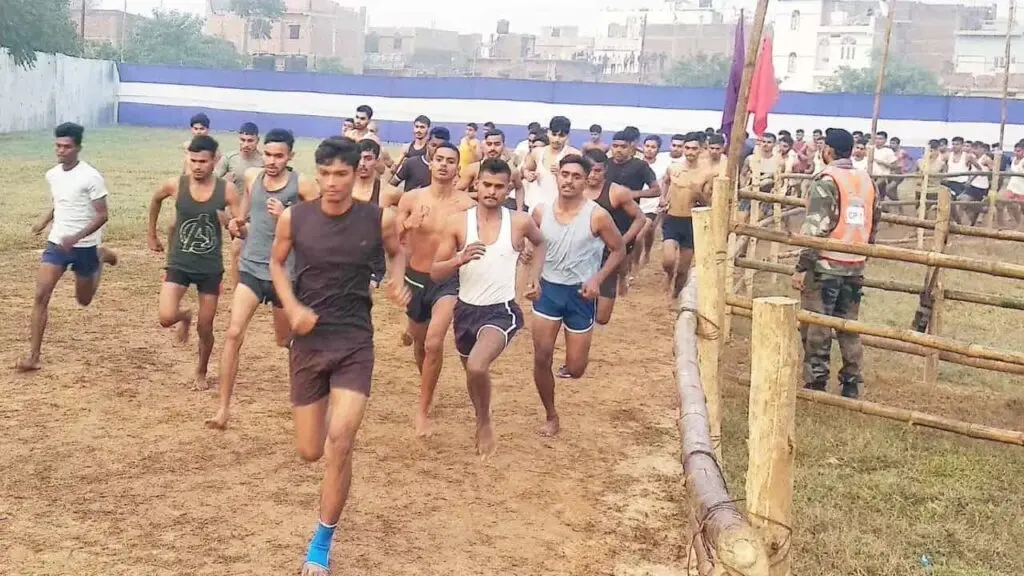
PET is only a qualifying round: marks will not be added to the final merit list, but passing is mandatory to proceed to document verification. Candidates get one attempt per event. The railway has exempted benchmark-disabled candidates, trained ex-apprentices (CCAA) and ex-servicemen from PET, though disabled candidates must still pass the medical test. Pregnant candidates are temporarily disqualified, they may retake PET six weeks after delivery on producing a medical fitness certificate. The railway advised candidates to mind their health and said it will not take responsibility for injuries during the test.
Indian Opinion Analysis
Over 1.2 crore candidates registered for RRB Group D posts, and only those clearing the CBT have reached this stage. The PET standards are identical to earlier recruitment cycles, so no new physical burden has been introduced. The exemption list is narrow: disabled candidates, trained apprentices and ex-servicemen skip the test, but everyone else must clear both the weight-carry and the run in one attempt each. Pregnant women get a deferred chance, not an exemption. With document verification to follow, the PET effectively acts as a filter before the final merit list is drawn from CBT scores alone.
Source: tv9hindi.com
This brief was synthesised by AI from the source linked above. Methodology and corrections.