












Now Reading: Rudolf Diesel: the man who wanted an engine for everyone
-
01
Rudolf Diesel: the man who wanted an engine for everyone


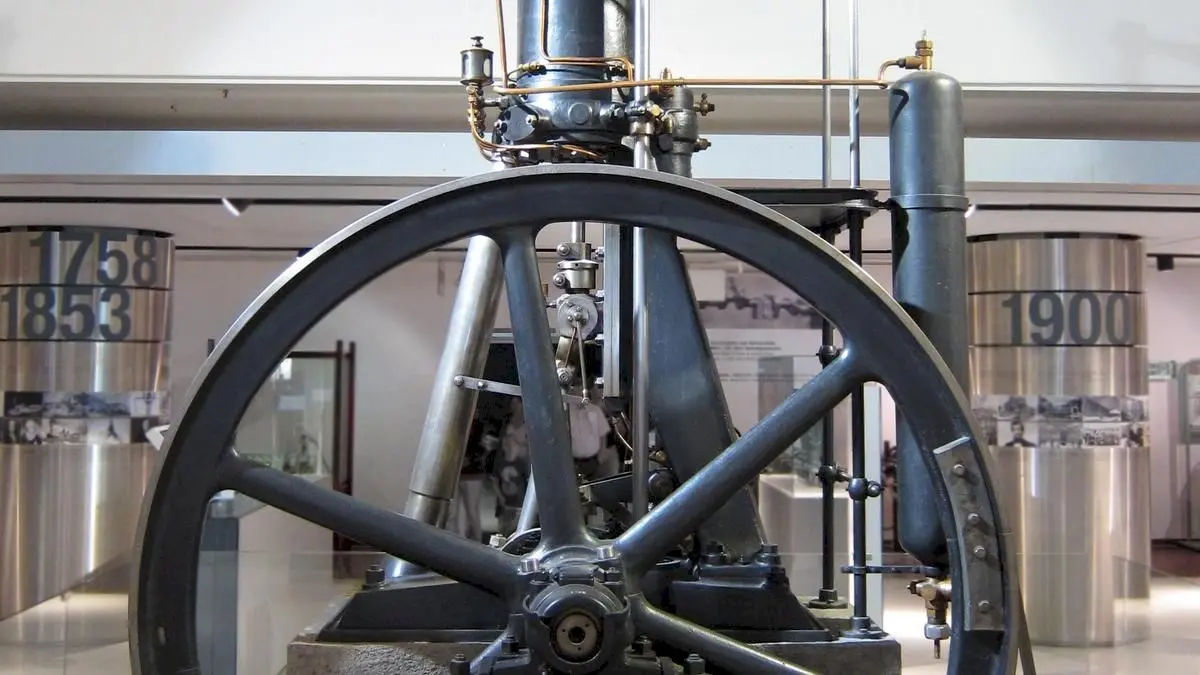
Rudolf Diesel demonstrated his first working engine on August 10, 1893 in Augsburg. The prototype, a 10-foot iron cylinder with a flywheel, ran on its own power. Two years later, Diesel filed…
The Story in Brief
Rudolf Diesel demonstrated his first working engine on August 10, 1893 in Augsburg. The prototype, a 10-foot iron cylinder with a flywheel, ran on its own power. Two years later, Diesel filed for a US patent, which was granted in 1898. His engine converted 26.8% of heat into power, far more efficient than the 10% of contemporary steam and petrol engines.
Diesel’s motivation was not purely technical. He wanted to build an engine accessible to small businesses and ordinary people, not just the wealthy. His earlier experiments included an ammonia-fuelled engine that exploded, nearly killing him. Despite the setback, he continued refining the design, achieving a theoretical efficiency of 75.6%.
The Indian Opinion
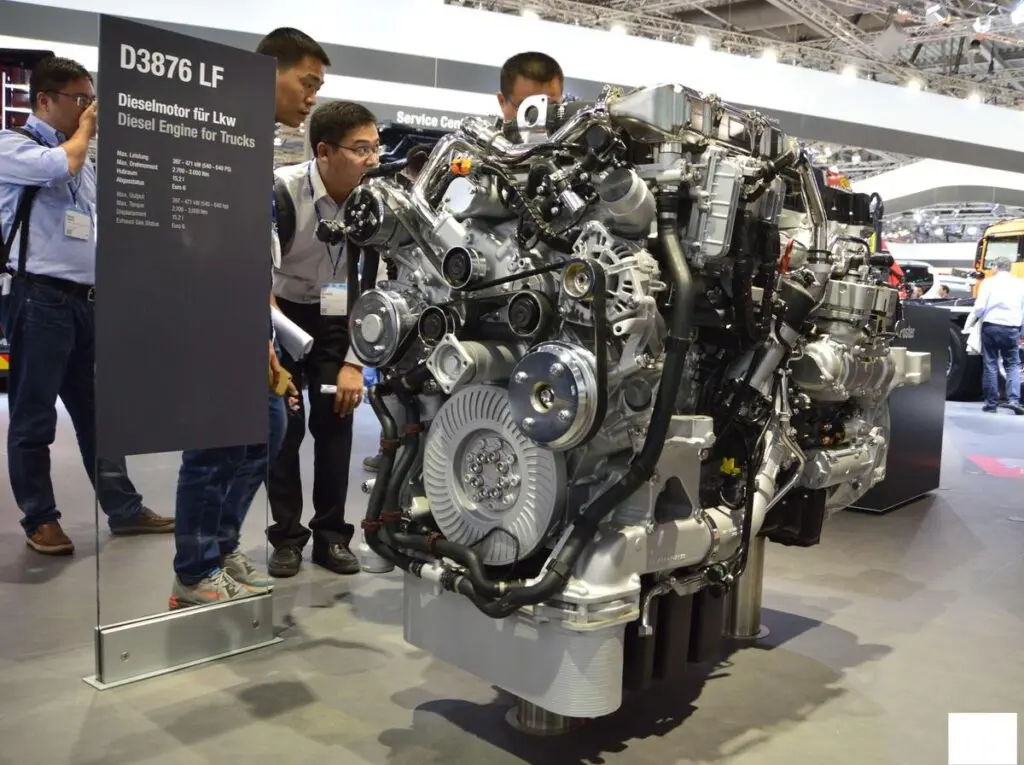
The usual narrative paints Diesel as a lone visionary, but his success relied on German industrial support and a near-fatal mishap. Today, his engine powers Indian trucks and generators, yet diesel smoke tests our tolerance for pollution. Diesel wanted an engine for everyone, would he accept that some might pay with their lungs? The real test: can India wean itself off diesel without crushing the small businesses he sought to empower?
Source: thehindu.com
This story was synthesised by AI from the source linked above.