












Now Reading: Russia moots direct rail link to India via Iran, Afghanistan, Pakistan
-
01
Russia moots direct rail link to India via Iran, Afghanistan, Pakistan

Russia moots direct rail link to India via Iran, Afghanistan, Pakistan

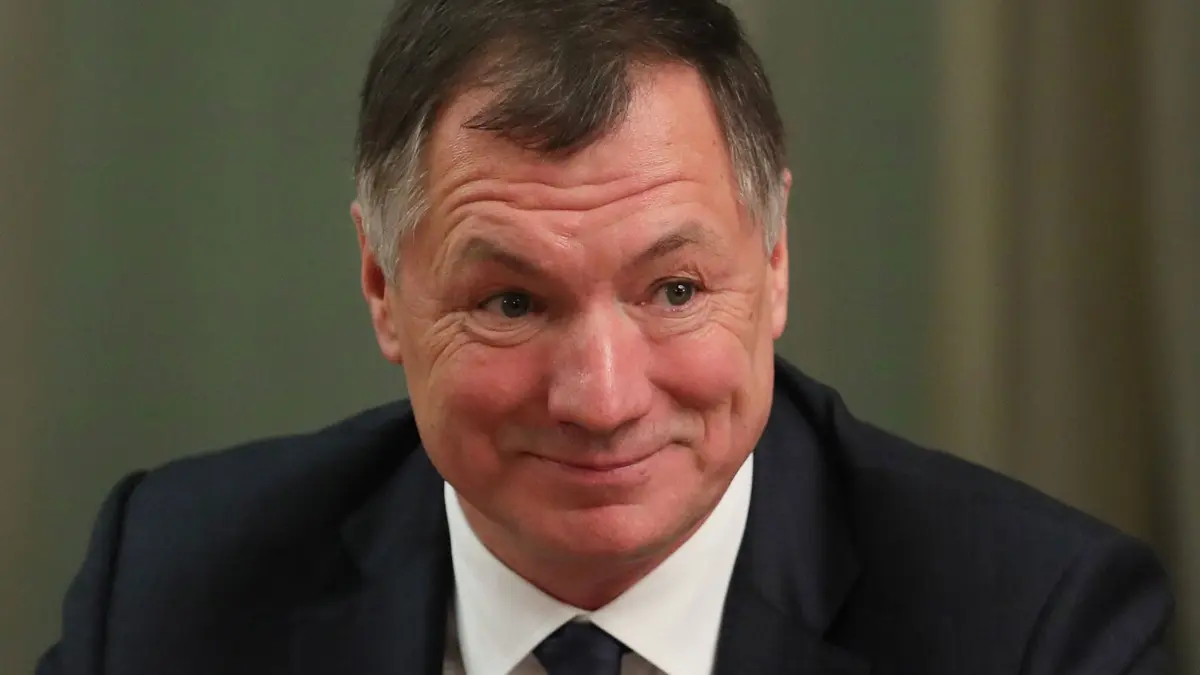
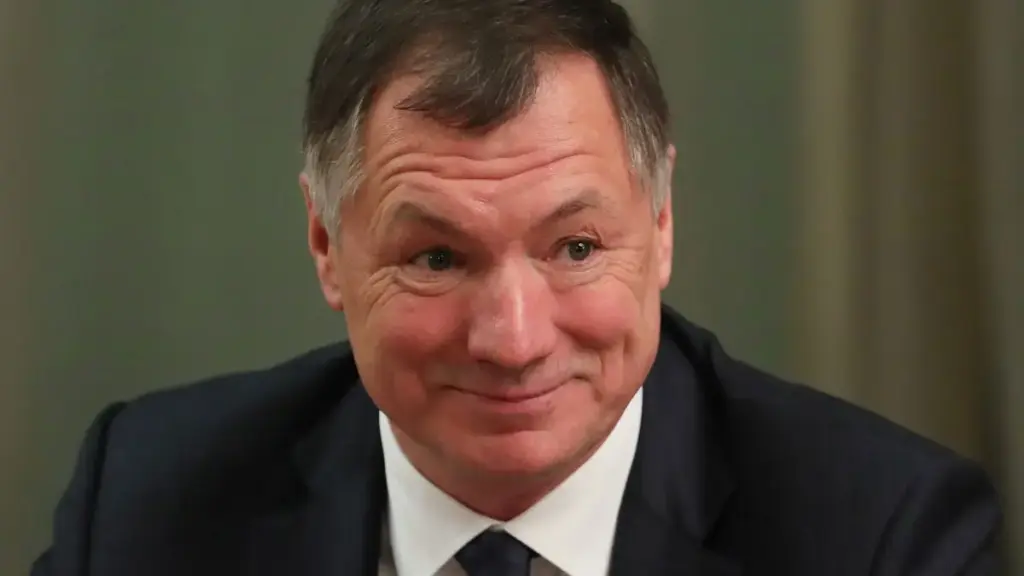
Russian Deputy Prime Minister Marat Khusnullin has proposed building a direct railway link to the Indian Ocean, with routes potentially passing through Turkmenistan, Iran, Afghanistan, and Pakistan. He told TASS that alternatives…
The Story in Brief
Russian Deputy Prime Minister Marat Khusnullin has proposed building a direct railway link to the Indian Ocean, with routes potentially passing through Turkmenistan, Iran, Afghanistan, and Pakistan. He told TASS that alternatives to the Bosphorus and Strait of Hormuz must be explored after US-Israeli strikes on Iran and Tehran's retaliatory maritime blockade disrupted energy shipments. The Strait of Hormuz handles 25% of global oil trade and nearly 20% of LNG.
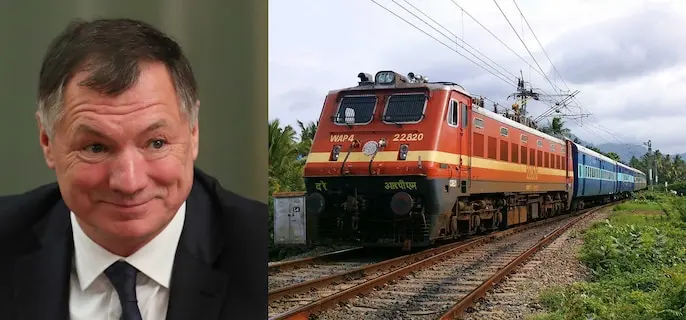
In 2024, Russia sent two trainloads of coal to India via the INSTC route through Iran, but US strikes on southern Iranian ports have made that corridor unusable. Russia is now looking east. India has become Russia's second-largest crude buyer, with Russian oil accounting for a record 55% of India's imports last month. Any rail corridor via Pakistan faces the hurdle of deeply strained India-Pakistan relations. An alternative route could use the proposed Trans-Afghan railway connecting Central Asia to Pakistani ports.
The Indian Opinion
Some are already celebrating this railway proposal as a game-changer for India-Russia trade. The reality is far more uncertain. The route via Pakistan faces a wall of mutual suspicion between New Delhi and Islamabad. Even with Moscow and Beijing pushing for it, India has shown no willingness to let Pakistan become a transit corridor for its energy lifeline. The Trans-Afghan Railway and INSTC remain paper projects entangled in conflict zones. A pointed question: will Delhi ever accept a railway that enters Pakistan before reaching India? That answer will decide this grand plan's fate.
Sources (2): republicworld.com, businesstoday.in
This story was synthesised by AI from the 2 sources linked above.
Updated: this story now draws on 2 sources.