















Now Reading: Saudi Arabia, Pakistan, Turkey Sign Mecca Defence Pact
-
01
Saudi Arabia, Pakistan, Turkey Sign Mecca Defence Pact


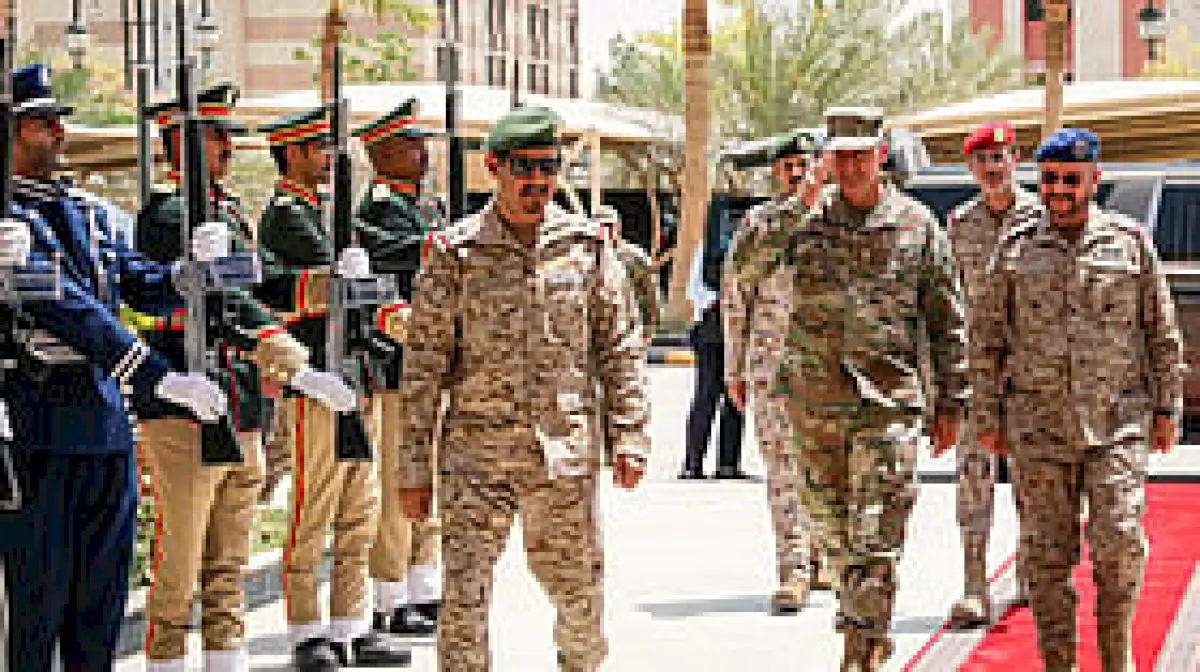
Saudi Arabia, Pakistan, and Turkey have signed a joint defence agreement in Mecca, styled as a Nato-style collective security pact. The deal is primarily aimed at countering the threat from Iran, which…
The Story in Brief
Saudi Arabia, Pakistan, and Turkey have signed a joint defence agreement in Mecca, styled as a Nato-style collective security pact. The deal is primarily aimed at countering the threat from Iran, which has escalated attacks on Gulf states amid the US-Israel conflict. Saudi Arabia already has a bilateral strategic pact with Pakistan, which some analysts say could include nuclear deterrence, though the new agreement has no explicit nuclear-sharing clause. Turkey is a Nato member, adding a layer of complexity. Indian strategists say the pact is not a threat to India, as it is defensive and focused on Iran, not South Asia. The agreement comes as Saudi Arabia seeks to diversify its security guarantees after the US appeared reluctant to defend its allies during the current West Asia crisis.
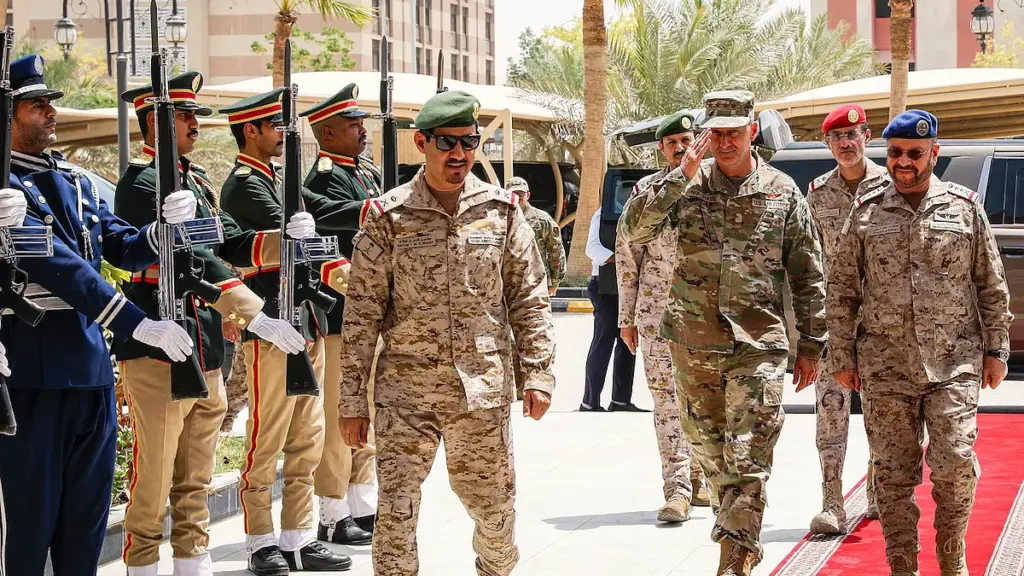
The Indian Opinion
Commentators are already calling the Mecca pact an 'Islamic Nato' aimed at encircling Iran. But the facts point to a more modest, defensive arrangement. Saudi Arabia is hedging against US unreliability, not building a war machine. Turkey and Pakistan both maintain friendly ties with Tehran, making a joint offensive unlikely. India has no reason to be alarmed. The real test is whether the signatories will actually come to each other's aid if attacked, or if this remains a symbolic gesture of Sunni solidarity.
Sources (3): nationalheraldindia.com, deccanchronicle.com, deccanchronicle.com (2)
This story was synthesised by AI from the 3 sources linked above.
Updated: this story now draws on 3 sources.