














Now Reading: Supreme Court lets Abhishek Banerjee travel abroad for eye treatment
-
01
Supreme Court lets Abhishek Banerjee travel abroad for eye treatment



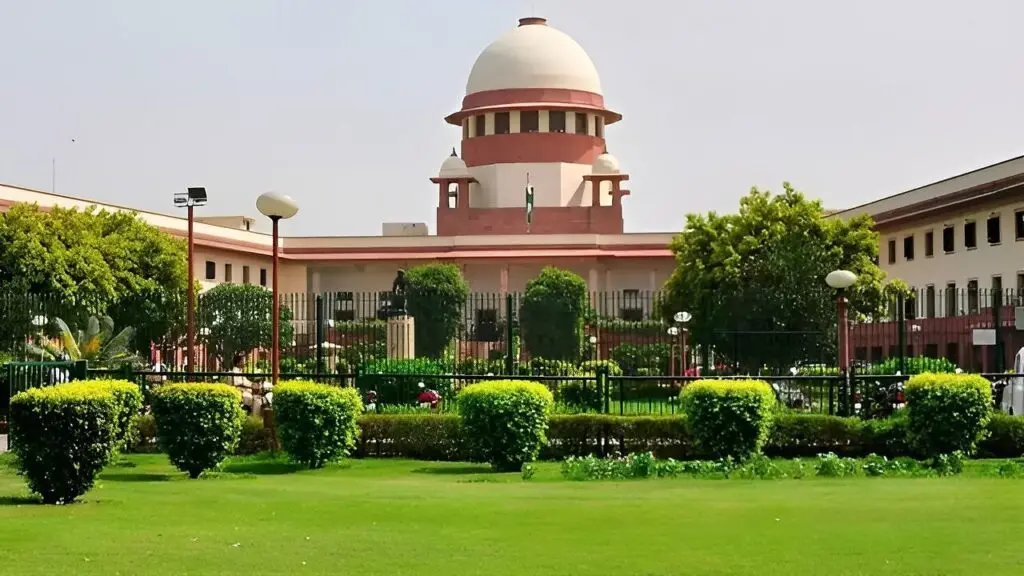
The Supreme Court on Monday allowed Trinamool Congress MP Abhishek Banerjee to travel abroad for three weeks in September for eye treatment. A bench led by Chief Justice Surya Kant set aside…
The Story in Brief
The Supreme Court on Monday allowed Trinamool Congress MP Abhishek Banerjee to travel abroad for three weeks in September for eye treatment. A bench led by Chief Justice Surya Kant set aside a Calcutta High Court order that had rejected his plea.

The court imposed several conditions. Banerjee must travel only on his diplomatic passport and share his itinerary, foreign address, doctor, hospital, accommodation and flight details with investigating agencies two days before departure. Agencies can use the information for their probe but must keep it confidential. The Calcutta High Court had earlier refused travel permission after Banerjee declined to appear before a medical board at state-run SSKM Hospital for an assessment of whether treatment was available in India.
The Indian Opinion
This case is being framed in some quarters as political bias by the court or as a politician evading investigation. The facts are simpler. The Supreme Court has repeatedly upheld the right to travel and choose medical care, even for those facing criminal charges. The conditions it imposed, full itinerary disclosure and use of a diplomatic passport, are standard safeguards. The test will be whether Banerjee returns as scheduled and whether the hate speech case proceeds on its merits. Neither side benefits from turning a medical plea into a political cartoon.
Sources (3): timesofindia.indiatimes.com, indiatvnews.com, freepressjournal.in
This story was synthesised by AI from the 3 sources linked above.
Updated: this story now draws on 3 sources.