













Now Reading: SC quashes NSA detention in Sambhal case, fines UP Rs 10 lakh
-
01
SC quashes NSA detention in Sambhal case, fines UP Rs 10 lakh


The Supreme Court on Monday set aside the preventive detention of Mulla Afroz under the National Security Act (NSA), a key accused in the November 2024 Sambhal violence. A bench led by…
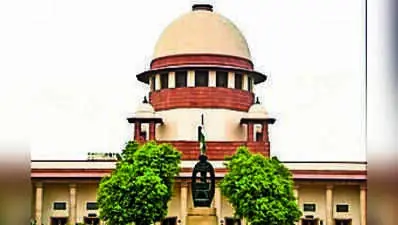
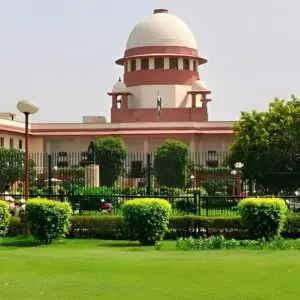
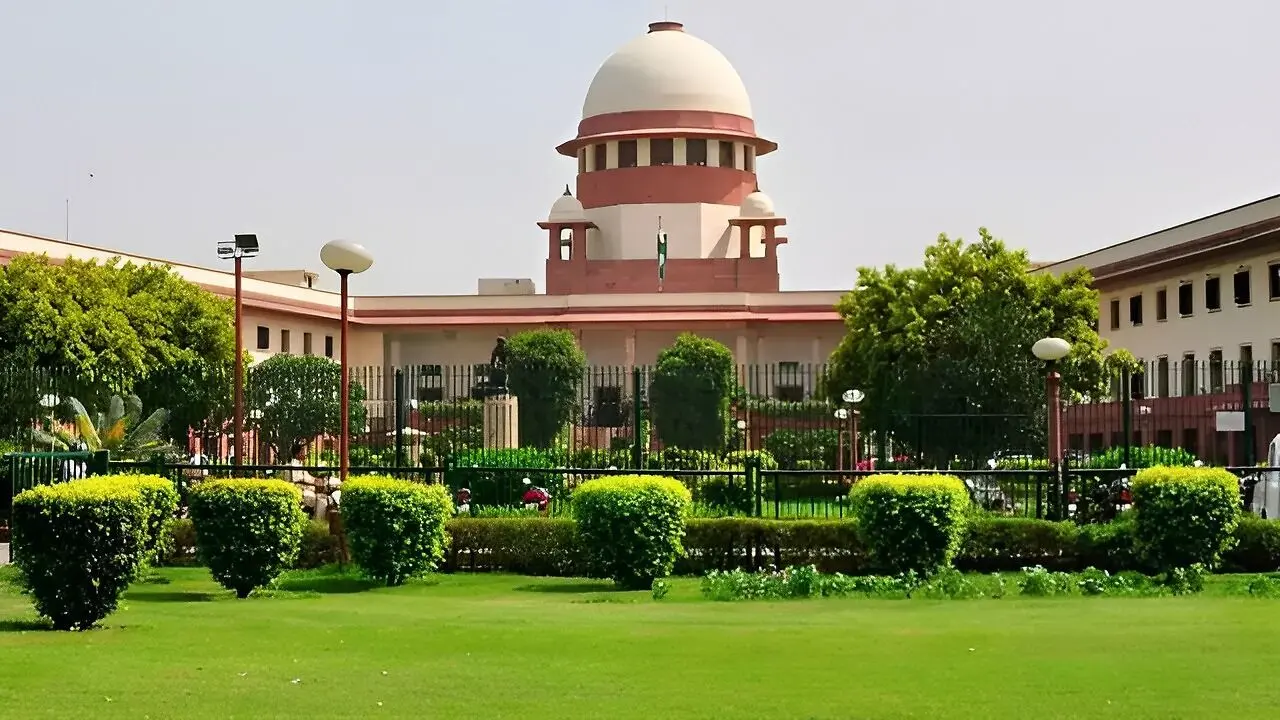
The Supreme Court on Monday set aside the preventive detention of Mulla Afroz under the National Security Act (NSA), a key accused in the November 2024 Sambhal violence. A bench led by Justice Dipankar Datta quashed the detention and imposed a Rs 10 lakh cost on the Uttar Pradesh government, calling the detention order illegal. The court held that a preventive detention order cannot be based solely on a confession allegedly made in police custody, as such confessions are ordinarily inadmissible. The court emphasised that preventive detention is intended to avert future threats, not to punish for past acts.
Afroz had challenged his detention after the Allahabad High Court upheld it in June 2026. He argued that his arrest relied on a custodial confession and that the police firing during the violence had not been investigated. The Uttar Pradesh government had defended the detention, citing public order concerns. The violence erupted in Sambhal during a court-ordered survey of the Shahi Jama Masjid in November 2024, leaving four people dead. The court's ruling clarifies the legal limits on using police custody confessions to justify NSA detention.
Indian Opinion Analysis
The Supreme Court struck down Mulla Afroz's NSA detention, calling a police-custody confession an insufficient basis for preventive detention, and fined the Uttar Pradesh government Rs 10 lakh. The court said preventive detention is prospective, not punitive, and cannot rest on an inadmissible confession. Both sources report the same core ruling and fine. This is a significant legal rebuke to the state's use of the NSA against a violence accused. The ruling reinforces the distinction between preventive and punitive detention, setting a procedural benchmark for future NSA cases. The high court had upheld the order, the Supreme Court has now reversed that view.
Coverage: 3 sources, 3 neutral
Sources (3): timesnownews.com (neutral report), english.mathrubhumi.com (neutral report), timesnownews.com (2) (neutral report)
This brief was synthesised by AI from the 3 sources linked above, so one read covers every framing they carry.