











Now Reading: Supreme Court declares right to walk on footpaths a fundamental right
-
01
Supreme Court declares right to walk on footpaths a fundamental right


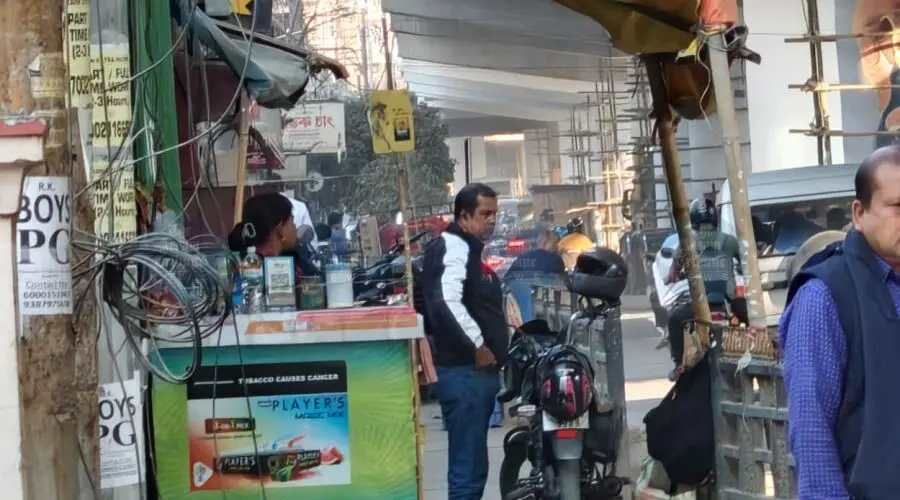
The Supreme Court on Monday directed all states and Union Territories to respond on implementing its earlier directions for properly demarcated, encroachment-free footpaths on every road. A bench of Justices PS Narasimha and Alok Aradhe impleaded all states and UTs as parties in the suo motu case, saying footpaths are integral to human life. Additional Solicitor General KM Nataraj told the bench the ministries of road transport and housing have already issued advisories to states on creating pedestrian space, in compliance with earlier court directions.
On June 19, the top court ruled the right to walk on a demarcated footpath is a fundamental right under Article 19(1)(d) and Article 21, and shall have priority over motorised vehicles on demarcated paths. The ruling arose from a motor accident compensation case where a father lost his five-year-old son. The court said duty bearers include urban development authorities, municipal corporations and panchayats, and citizens can invoke constitutional remedies for violations. States must now reply to the advisories, the next hearing will assess compliance.
Indian Opinion Analysis
The ruling is a significant expansion of fundamental rights jurisprudence, tying pedestrian access directly to constitutional guarantees under Articles 19 and 21. This marks a departure from earlier court approaches that treated footpaths as municipal infrastructure issues, not constitutional entitlements. The real test will be implementation: states must now respond to central advisories, with the next hearing likely to assess compliance. Urban development bodies, municipal corporations and panchayats are named duty bearers, opening them to constitutional remedies if they fail to demarcate and protect pedestrian space.
Coverage: 2 sources, 2 neutral
Sources (2): assamtribune.com (neutral report), rediff.com (neutral report)
This story was synthesised by AI from the 2 sources linked above. Methodology and corrections.
Updated: this story now draws on 2 sources.