

















Now Reading: Supreme Court seeks states’ response on encroachment-free footpaths
-
01
Supreme Court seeks states’ response on encroachment-free footpaths


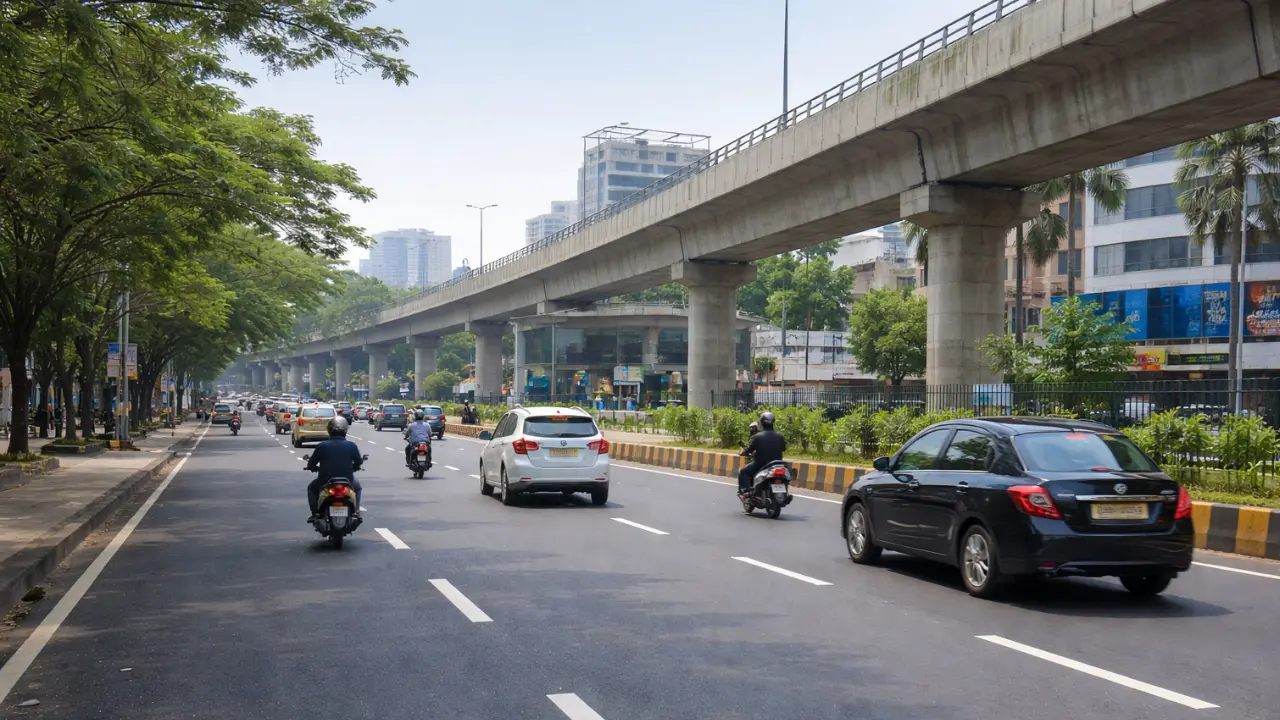
The Supreme Court on Monday directed all states and Union Territories to respond on the implementation of its directions for properly demarcated and encroachment-free footpaths, saying their existence is integral to human life. A bench of Justices PS Narasimha and Alok Aradhe impleaded all states and UTs as parties in the suo motu case.
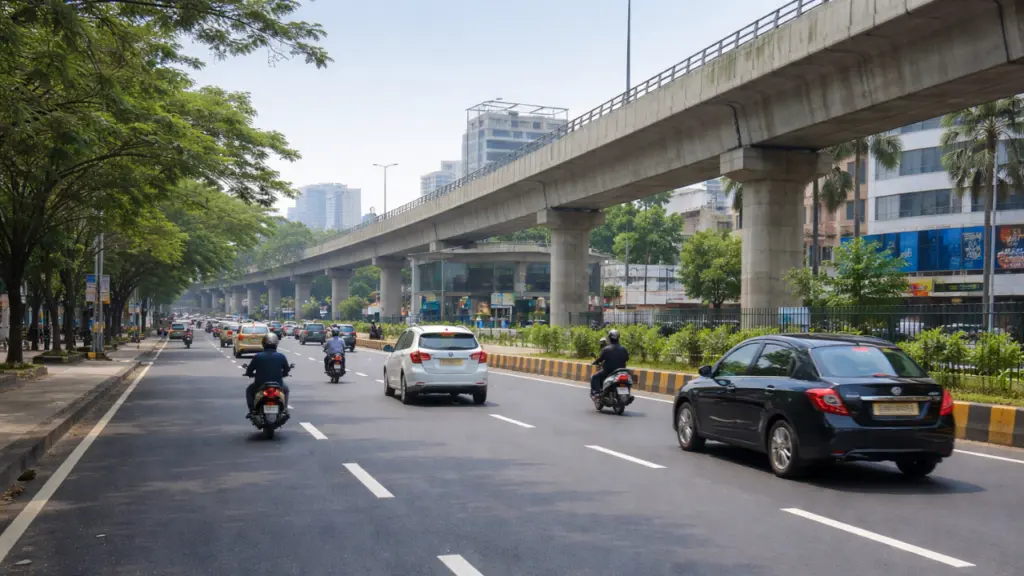
The court said the first step is proper demarcation of pedestrian space, and people should have confidence in walking safely. Additional Solicitor General KM Nataraj informed the bench that the ministries of road transport and housing have issued advisories to states and the National Highways Authority of India for creating demarcated pedestrian space.
On June 19, the top court ruled that the right to walk on a demarcated footpath is a fundamental right under Article 19(1)(d) and Article 21, and has priority over motorised vehicles. The court had earlier directed the Centre on August 3 to ensure every road has properly demarcated pedestrian space, free from encroachment.
Indian Opinion Analysis
The Supreme Court's suo motu case follows its June 19 ruling that declared the right to walk on a demarcated footpath a fundamental right. That verdict arose from a compensation case where a father lost his five-year-old son in a road accident while walking to school. The court now moves from declaring the right to enforcing it, making every state government a party to the proceeding. Under the Constitution, roads are a state subject, so the court needs each state's compliance plan. The next hearing will test whether states treat footpath demarcation as a priority or a routine advisory.
Source: timesnownews.com
This brief was synthesised by AI from the source linked above. Methodology and corrections.