














Now Reading: Scholars urge equitable water sharing in Indus Treaty revision
-
01
Scholars urge equitable water sharing in Indus Treaty revision


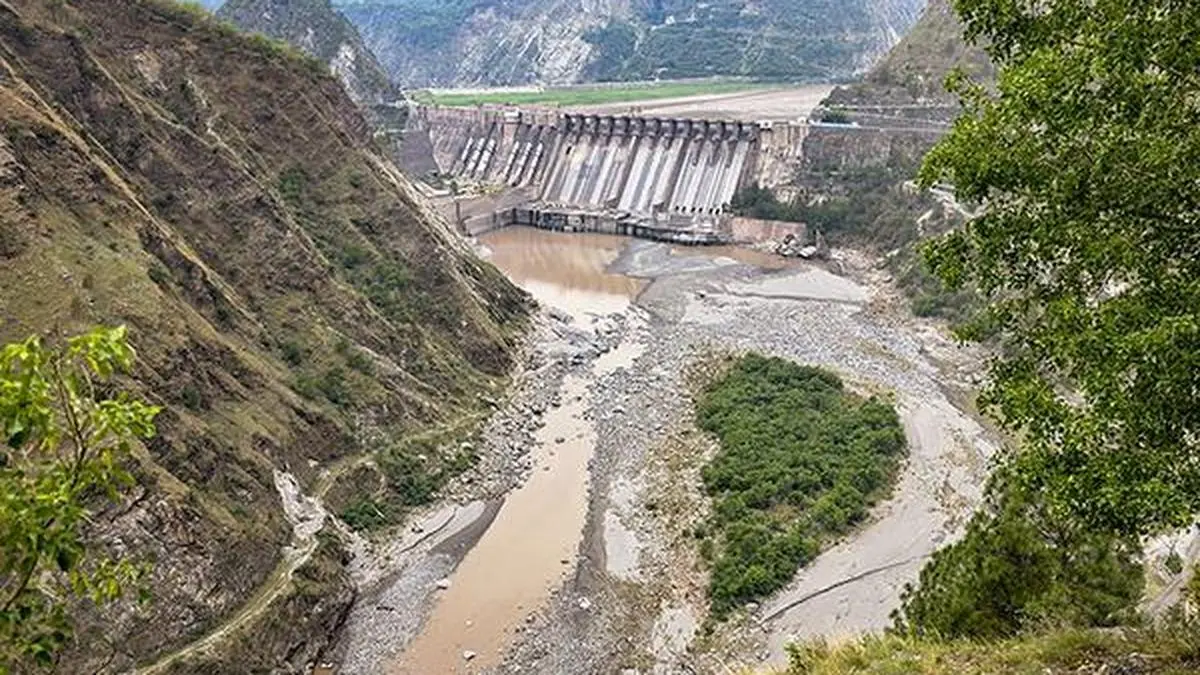
The Indus Water Treaty (IWT), 1960 remains in abeyance after India suspended it following the Pahalgam terror attack, but academic writings are urging a revision based on equitable and reasonable utilisation (ERU) rather than the current partition-based allocation. The treaty gives Pakistan the major share of water from western rivers that originate in India, and experts say climate change is altering water availability in ways the 1960 agreement cannot address.
The writings point to examples such as the U.S.-Canada Water Treaty, which shares downstream benefits equally, and the U.S.-Mexico Treaty on the Colorado River, which allows flexibility for annual hydrological variability. Both India and Pakistan are also signatories to the Ramsar Convention on Wetlands and the Convention on Biological Diversity, which impose obligations on shared ecosystems that an updated treaty could help meet.
Indian Opinion Analysis
The core tension in the Indus basin is that the treaty fixed each country's share in 1960 based on 1950s hydrology, but climate change is shrinking glaciers and altering monsoon patterns. India's suspension was a political response to the Pahalgam attack, but the legal question remains whether the treaty can be modified unilaterally. Under the Vienna Convention on the Law of Treaties, a material breach by one party may allow the other to suspend the treaty, but the Indus Water Commission's dispute-resolution mechanism has no expiry clause. The realistic path is a renegotiation that incorporates ERU, which the UN Watercourses Convention has codified since 1997. The key watch item is whether India proposes a formal amendment through the Permanent Indus Commission, which has not met since the suspension.
Source: thehindu.com
This brief was synthesised by AI from the source linked above. Methodology and corrections.