








Now Reading: Omar warns of J&K agitation over reservation report delay
-
01
Omar warns of J&K agitation over reservation report delay


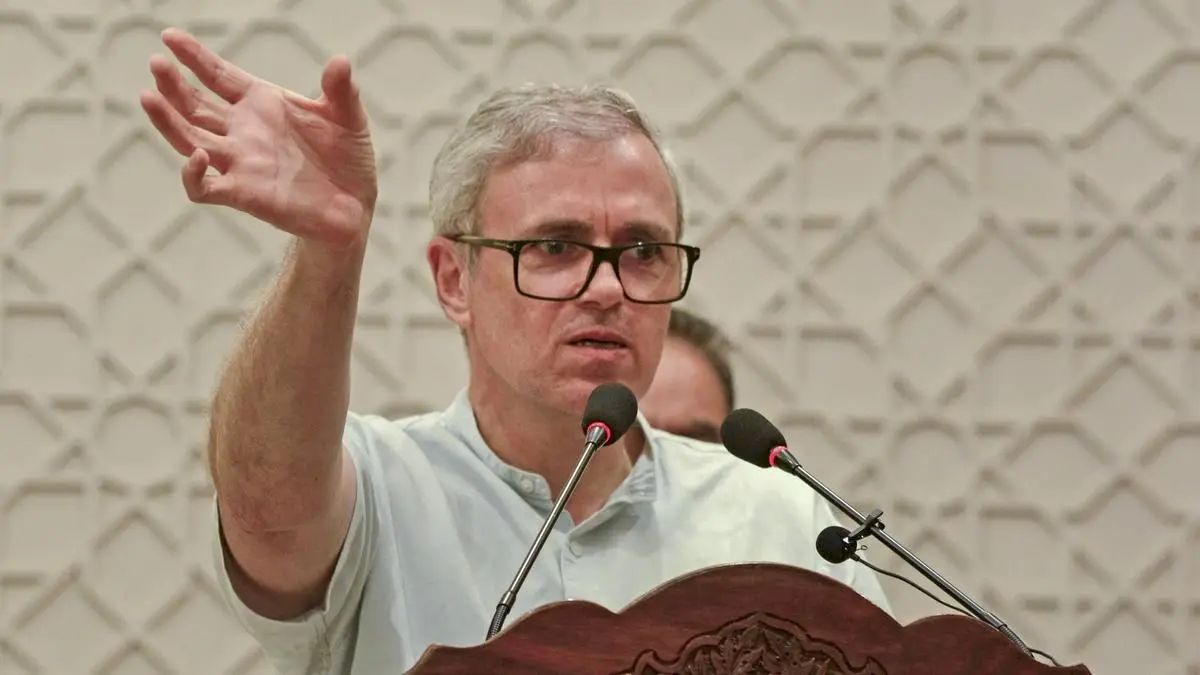
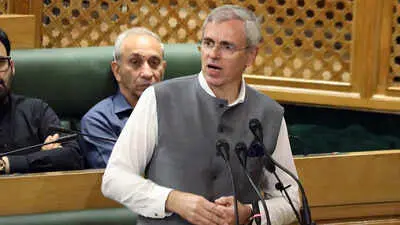
Jammu and Kashmir Chief Minister Omar Abdullah has warned of a Gen Z-style protest if the Centre does not finalise his Cabinet’s reservation report. The revised policy currently sets aside 60% of…
The Story in Brief
Jammu and Kashmir Chief Minister Omar Abdullah has warned of a Gen Z-style protest if the Centre does not finalise his Cabinet’s reservation report. The revised policy currently sets aside 60% of seats for reserved categories and 40% for the open category. Abdullah also criticised the delay in finalising Transaction of Business Rules, which define the powers of the elected government, Lieutenant-Governor and Council of Ministers. He plans to raise both matters with Union Home Minister Amit Shah.
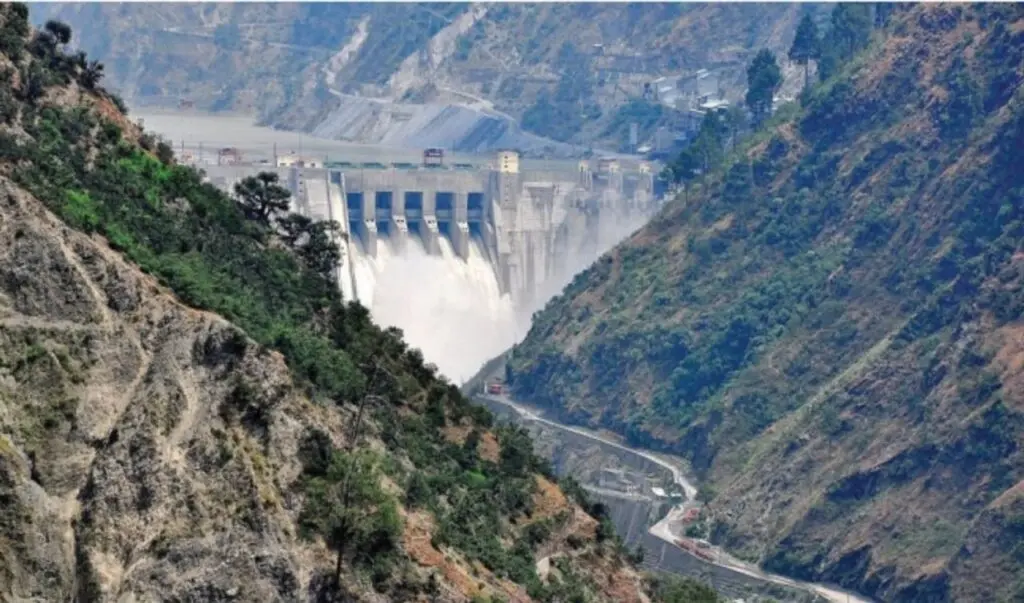
Abdullah called the Indus Waters Treaty discriminatory towards J&K and said it restricted drinking water, irrigation, navigation and power projects. Greater Kashmir reports that President Droupadi Murmu defended the treaty’s suspension as a national-interest measure, especially for farmers. India placed the treaty in abeyance after the Pahalgam terror attack.
The Indian Opinion
The easy narrative is that Abdullah is threatening unrest, while the opposite side may reduce the dispute to a routine Centre-Union Territory quarrel. Both miss the practical issues. A reservation system with 60% reserved seats needs a clear, publicly defended basis, and an elected government cannot function smoothly without agreed business rules. On water, national security and J&K’s development needs both deserve scrutiny. The useful test is whether the Centre and the Lieutenant-Governor publish decisions and timelines on each pending issue.
Sources (2): thehindu.com, greaterkashmir.com
This story was synthesised by AI from the 2 sources linked above.
Updated: this story now draws on 2 sources.