











Now Reading: 100 lakes mapped to detect ecosystem stress early
-
01
100 lakes mapped to detect ecosystem stress early


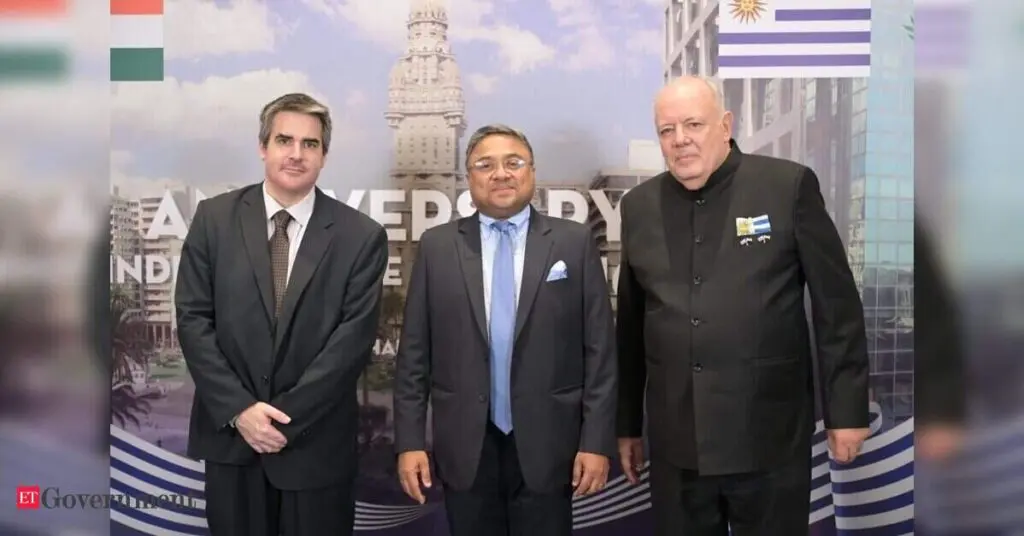
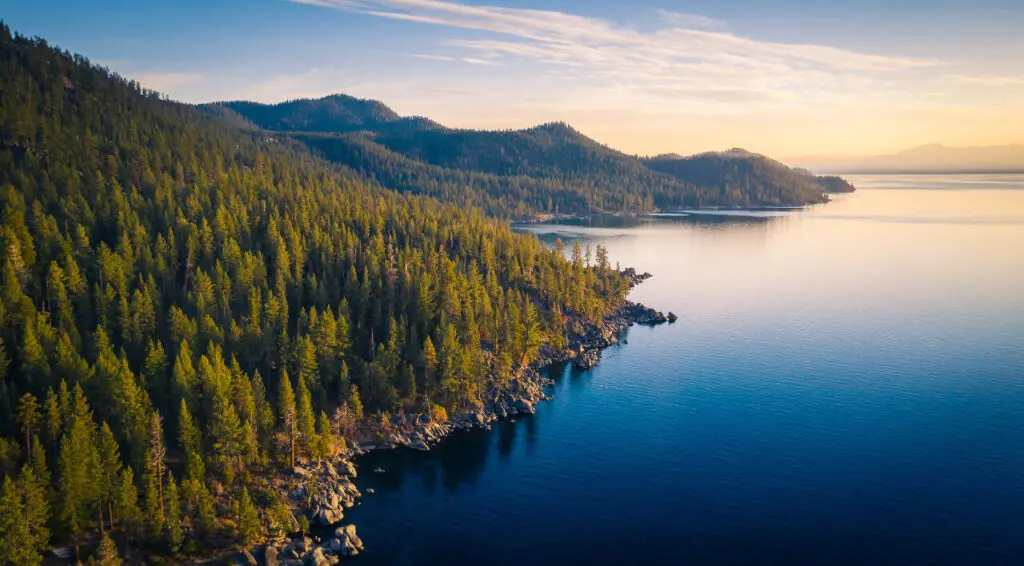
Researchers have mapped 100 shallow lakes along the Atlantic coast of southern Brazil and Uruguay to create an early-warning system for ecosystem collapse. Published in the journal *One Ecosystem*, the study provides…
The Story in Brief
Researchers have mapped 100 shallow lakes along the Atlantic coast of southern Brazil and Uruguay to create an early-warning system for ecosystem collapse. Published in the journal *One Ecosystem*, the study provides the first systematic assessment of these interconnected freshwater bodies. Scientists aim to detect subtle biological and chemical changes, such as shifts in microbial communities and environmental DNA, long before visible damage like fish die-offs or algal blooms occur.
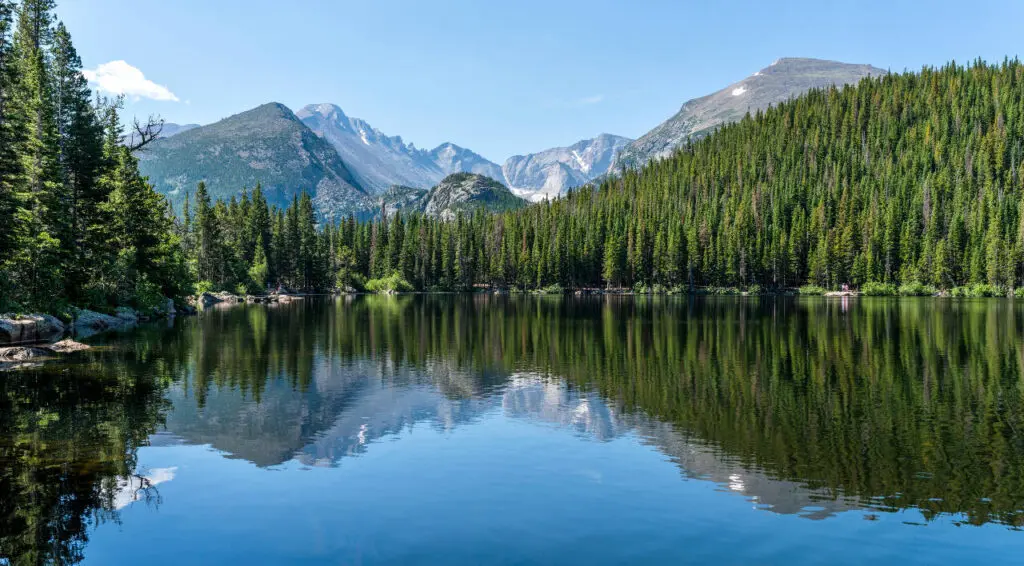
The study highlights that these lakes are exposed to multiple stressors, including climate variability from El Niño, urbanisation, agricultural runoff, and untreated wastewater. By combining satellite imagery, water chemistry, and eDNA analysis, researchers hope to track biodiversity and pollution across the region. They describe these lakes as "sentinel ecosystems" that can signal ecological strain, offering a model for monitoring freshwater health globally. The research originated from a joint workshop in Porto Alegre, Brazil.
The Indian Opinion
Indian readers often hear about the Ganga or the Dal Lake but rarely about South America's vast lake networks. The exaggerated narrative of pristine ecosystems versus human destruction misses the real story: science can now predict collapse using microbes and eDNA. This study, focused on Brazil and Uruguay, offers a model for monitoring India's own stressed freshwater bodies. Will Indian researchers adopt this microbial early-warning system before our lakes reach irreversible tipping points? The real test is adapting this method for tropical conditions here.
Source: timesofindia.indiatimes.com
This story was synthesised by AI from the source linked above.
Updated: this story now draws on 1 sources.