













Now Reading: Zebra mussels choke Spain’s water pipes at 40,000 per sq metre
-
01
Zebra mussels choke Spain’s water pipes at 40,000 per sq metre



Zebra mussels have infested reservoirs and canals in northeastern Spain, with densities reaching 40,000 per square metre in some irrigation ponds, causing blockages and reducing pipeline capacity by up to 70 per…
The Story in Brief
Zebra mussels have infested reservoirs and canals in northeastern Spain, with densities reaching 40,000 per square metre in some irrigation ponds, causing blockages and reducing pipeline capacity by up to 70 per cent. The Ebro River Basin Authority has confirmed adult mussels in the Santa Anna Reservoir and larvae in several others, threatening drinking water networks in Catalonia and Aragon. The species, first detected in Spain in 2001, hitchhiked from France on boat hulls.
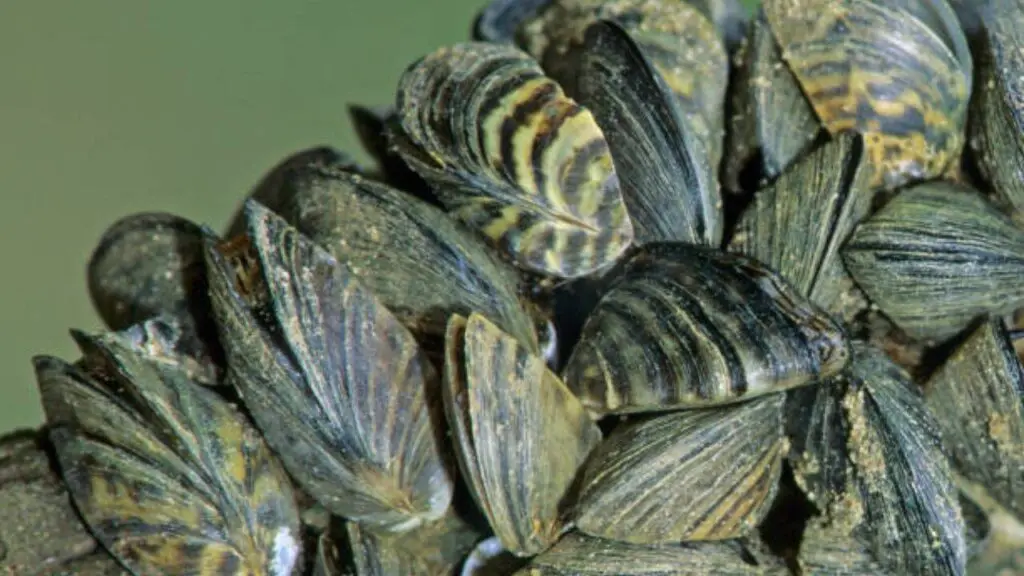
Biologists say eradicating them is impossible; the only option is to adapt infrastructure, duplicating pipelines, draining reservoirs annually, and designing shell traps. A 2026 study on shell transport in pressurised pipes aims to predict blockages. The invasion has already cost Spain an estimated 40 million euros over 20 years, according to a 2005 projection from the Ebro water authority.
The Indian Opinion
The narrative that invasive species are an unstoppable natural disaster ignores human carelessness: genetic studies show these mussels crossed the Pyrenees on boat hulls or live fish. The bigger story is not the mussel's fecundity but Spain's failure to enforce biosecurity at reservoirs. Next, watch whether Catalonia's proposed annual draining of canals gains funding, or stays a paper measure.
Source: timesofindia.indiatimes.com
This story was synthesised by AI from the source linked above.
Updated: this story now draws on 1 sources.