











Now Reading: SCO forum at Purana Qila ends with Indraprastha Communique
-
01
SCO forum at Purana Qila ends with Indraprastha Communique


The Story in Brief
The first Shanghai Cooperation Organisation Civilisational Dialogue Forum hosted by India at Delhi's Purana Qila concluded on Sunday, 22 November, with the adoption of the 'Indraprastha Communique'. The outcome document affirms respect for every civilisation as an 'equal voice' and calls for protecting heritage from threats, exploring joint UNESCO nominations, and creating a digital repository of manuscripts. India proposed that the dialogue be held once every two years.
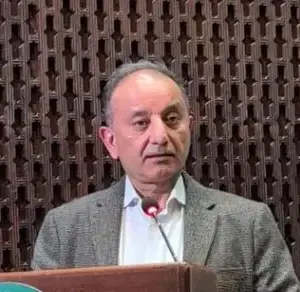
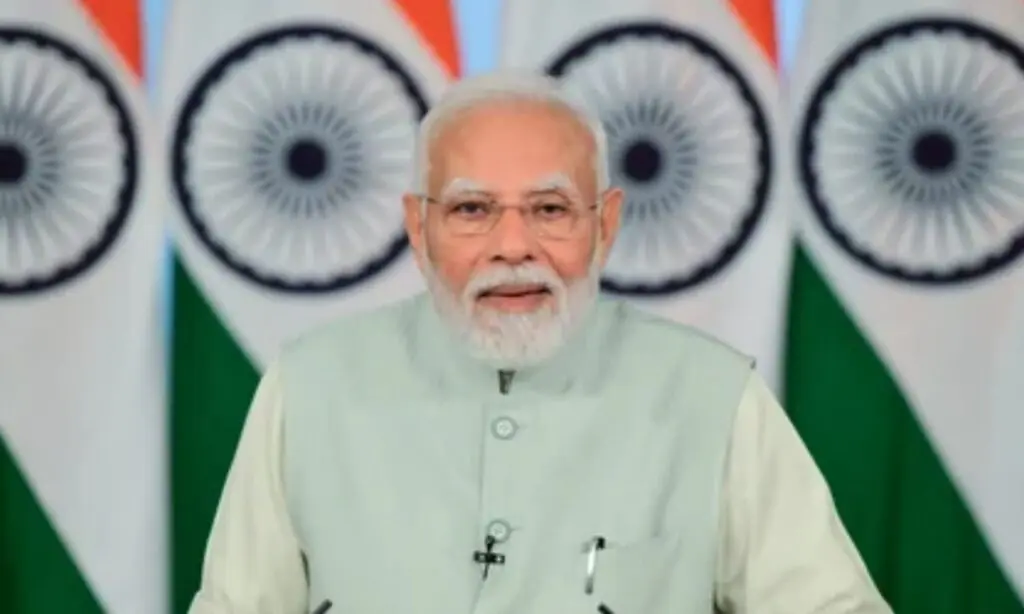
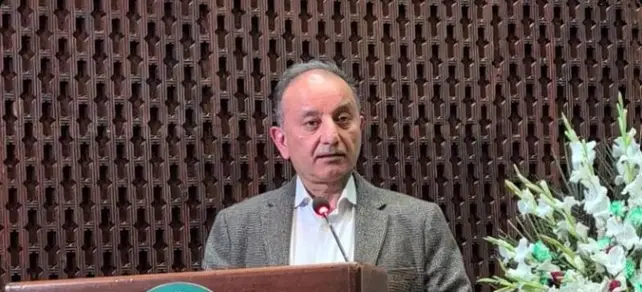
The three-day meet, inaugurated by Prime Minister Narendra Modi on Friday, 20 November, saw 116 delegates from 22 countries. Pakistan's Federal Minister Musadik Malik invoked Mughal emperor Humayun and Afghan ruler Sher Shah Suri at a session chaired by Union Culture Minister Gajendra Singh Shekhawat, saying the fort is a 'story' of multiple layers of history. Malik called dialogue between distinct identities the purpose of the forum.
On the sidelines, Malik visited a Mahabharata scroll exhibition and expressed optimism about cross-border ties ahead of Pakistan hosting the next SCO heads of state summit in Islamabad in August 2027. The forum was jointly organised by the ministries of culture and external affairs with IGNCA as knowledge partner.
Indian Opinion Analysis
The coverage is uniform across all four outlets, with each reporting the same factual narrative and the same remarks from Malik and Shekhawat. Hindustan Times, The Print, Odisha Bytes and Times of India all present the SCO forum as a cultural diplomacy event, highlight the shared heritage between India and Pakistan, and note Malik's attendance without probing bilateral tensions. Times of India alone adds the communique details and Malik's visit to the Mahabharata scroll, but this is a factual extension, not a slant. The absence of government-critical or sensationalist framing means the coverage is straight news reporting. The key outcome to watch is whether the digital repository proposal advances by the August 2027 SCO summit in Islamabad.
Coverage: 3 sources, 3 neutral
Sources (3): PTI (carried by hindustantimes.com, theprint.in), odishabytes.com (neutral report), timesofindia.indiatimes.com (neutral report)
This brief was synthesised by AI from the 3 sources linked above, so one read covers every framing they carry. Methodology and corrections.