














Now Reading: SEBI chief Pandey says trust key to modern corporate governance
-
01
SEBI chief Pandey says trust key to modern corporate governance


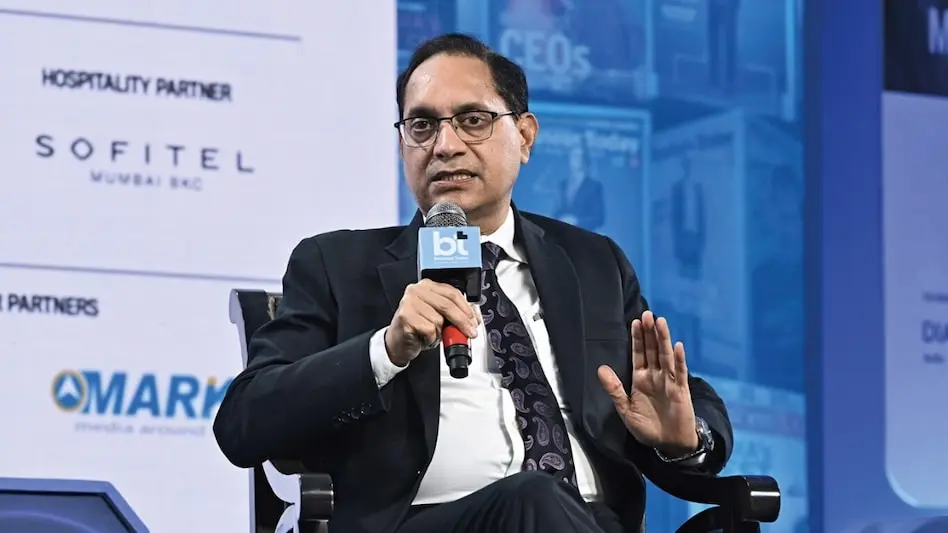
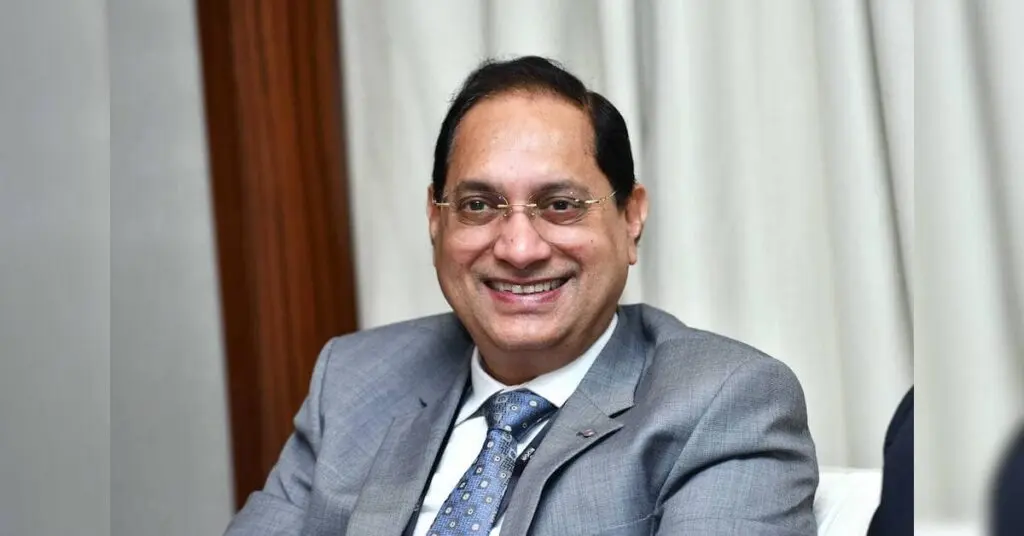
Securities and Exchange Board of India (SEBI) Chairman Tuhin Kanta Pandey said trust is a company's most vital asset, urging boardrooms to move from basic compliance to active stewardship. Speaking at the Institute of Directors Annual Directors' Conclave 2026, he outlined challenges from cyber threats, AI, climate risks, and shifting investor expectations.
Pandey noted that independent directors must challenge decisions and ask critical questions to protect public shareholders. He announced policy directions including reviewing guidelines for monitoring issue proceeds, clarifying related-party transaction rules, eliminating duplicate fines by exchanges on multi-listed entities, and requiring boards to assess technology and AI risks. SEBI also plans a continuous learning network for independent directors in technology, ESG, and financial innovation.
Indian Opinion Analysis
Pandey's call to move beyond compliance comes as India's capital market expands rapidly, with more retail investors entering and global capital flowing in. The proposed elimination of duplicate fines on multi-listed entities directly addresses a long-standing grievance of companies that pay the same penalty on both BSE and NSE for one lapse. The planned continuous learning network for independent directors signals SEBI's intent to professionalise board oversight in areas like AI and ESG, where expertise is scarce. A key test will be how SEBI defines 'active stewardship' in upcoming rules. The market will watch for the detailed framework on related-party transactions, expected within six months.
Source: businesstoday.in
This story was synthesised by AI from the source linked above. Methodology and corrections.