















Now Reading: Trust and governance to shape AI use in corporate law
-
01
Trust and governance to shape AI use in corporate law


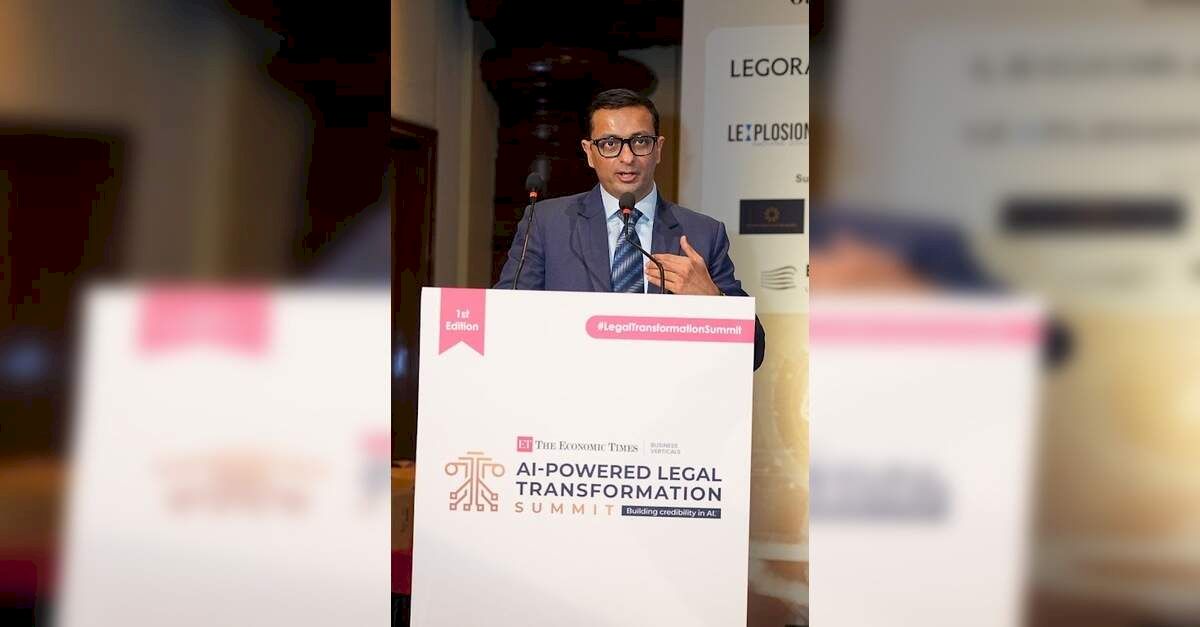
AI will move from trials into routine corporate legal work over the next two to five years, DNEG group general counsel Zameer Nathani told the ETLegalWorld AI-Powered Legal Transformation Summit 2026. He…
The Story in Brief
AI will move from trials into routine corporate legal work over the next two to five years, DNEG group general counsel Zameer Nathani told the ETLegalWorld AI-Powered Legal Transformation Summit 2026. He expects automation to expand across research, contracts, compliance and legal queries. Nathani cited projections that 70% of Indian in-house legal teams could adopt automated research platforms, while 66% of enterprises could deploy automated compliance tools. Self-service systems may eventually resolve half of inbound legal requests in India.

Former Rajya Sabha member Dr Amar Patnaik said trust, accountability and auditability will decide whether AI adoption is credible. He backed principle-based regulation, privacy by design and named human responsibility for consequential automated decisions. Boards and senior executives, he said, will need stronger AI governance capabilities as legal teams handle changing rules and automated systems.
The Indian Opinion
The easy narrative is that AI will either replace lawyers or solve corporate compliance by itself. Both claims are lazy. The harder issue is whether firms can preserve logs, explain decisions and identify a human owner when an automated system causes harm. Nathani’s adoption projections show the scale of change, while Patnaik’s warning sets the practical test: for every consequential AI decision, can a company show its lawful basis, audit trail and route for redress?
Sources (2): legal.economictimes.indiatimes.com, legal.economictimes.indiatimes.com (2)
This story was synthesised by AI from the 2 sources linked above.
Updated: this story now draws on 2 sources.