


















Now Reading: Sediment surges along Ulhasnagar river cut water supply by 20% in four towns
-
01
Sediment surges along Ulhasnagar river cut water supply by 20% in four towns

Sediment surges along Ulhasnagar river cut water supply by 20% in four towns

A sharp rise in mud and sediment in the Ulhasnagar river over the past 10 days has repeatedly clogged pumps at filtration plants, reducing treated-water supply by roughly 20% to Badlapur, Ambernath,…
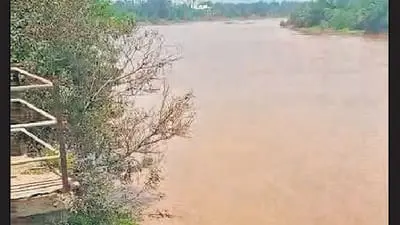
A sharp rise in mud and sediment in the Ulhasnagar river over the past 10 days has repeatedly clogged pumps at filtration plants, reducing treated-water supply by roughly 20% to Badlapur, Ambernath, Ulhasnagar and Kalyan. The plant normally treats 140 million litres per day (MLD) but is currently supplying only 110-120 MLD, said Suresh Kadri of the Maharashtra Jeevan Pradhikaran.
Officials suspect illegal sand-mining operators may have used the reduced police presence during the Ganesh festival to carry out dredging, disturbing the riverbed and releasing large quantities of sediment. The Badlapur water department has warned that some areas may face reduced supply for a few more days. Kadri said the river water had improved over the past two days but would take at least a couple more to become completely clear.
Indian Opinion Analysis
The Ulhasnagar river supplies drinking water to a densely populated stretch of eastern Thane district, home to over 20 lakh people across four municipalities. The Maharashtra Jeevan Pradhikaran operates the treatment plant under the state's water supply department, which sets capacity and quality benchmarks under the Maharashtra Water Resources Regulatory Authority Act of 2014. Past instances of pump clogging in this region have been traced to monsoon-runoff rather than dredging, making the festival-season drop in police presence during bandobast a distinctive variable. The district administration can order a sand-mining halt and refer violations to the Maharashtra Pollution Control Board under the Water (Prevention and Control of Pollution) Act. Kadri's two-day timeline for water clarity will be the first practical test of whether illegal suction-dredging was the cause or the sediment load was seasonal.
Source: hindustantimes.com
This brief was synthesised by AI from the source linked above.