













Now Reading: Sherpa Abandons Everest Summit Bid to Rescue Stranded Climber
-
01
Sherpa Abandons Everest Summit Bid to Rescue Stranded Climber


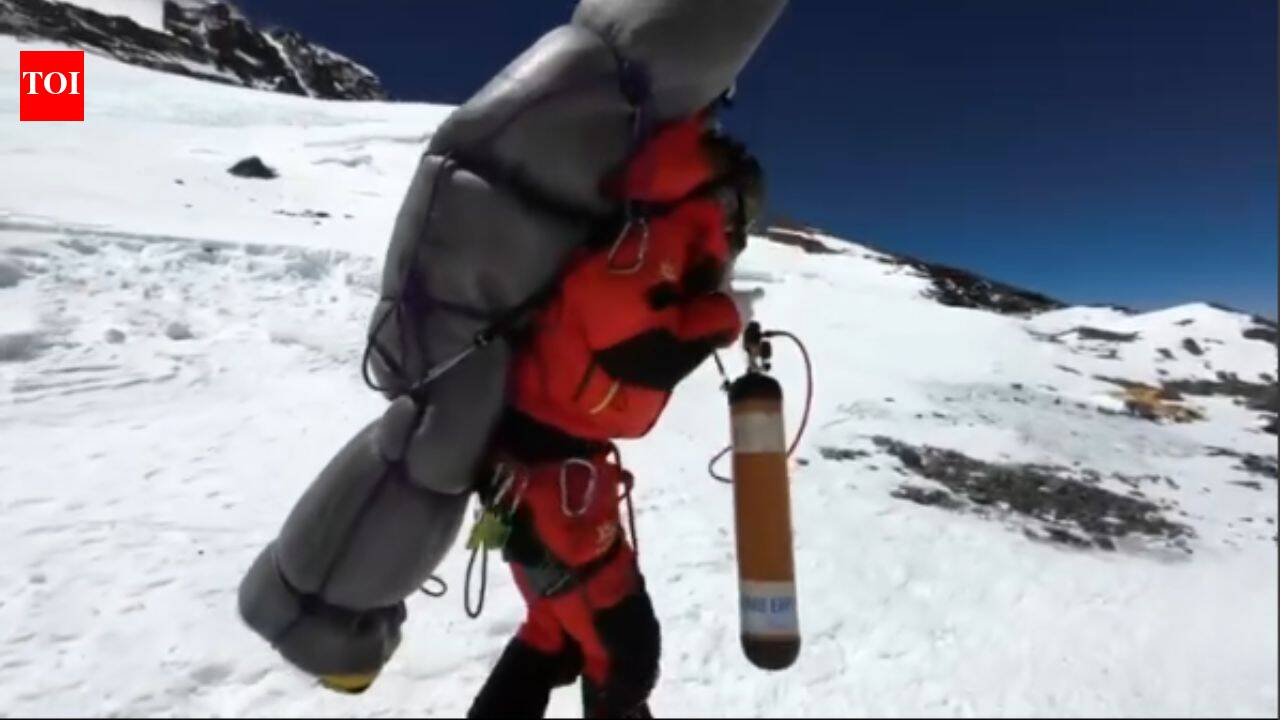
On May 18, Gelje Sherpa found Malaysian climber Ravichandran Tharumalingam incapacitated near Everest’s Balcony, in the death zone. Guiding a Chinese client, Gelje abandoned his summit attempt and carried Ravichandran to Camp…
The Story in Brief
On May 18, Gelje Sherpa found Malaysian climber Ravichandran Tharumalingam incapacitated near Everest’s Balcony, in the death zone. Guiding a Chinese client, Gelje abandoned his summit attempt and carried Ravichandran to Camp 4 over six hours. Other sherpas moved him to Camp 3, before a helicopter took him to hospital.
The Times of India reports that Ravichandran initially credited partner companies in interviews, prompting online accusations that he blocked Gelje and deleted comments. He later posted a message naming Gelje and other sherpas. Public reporting has not established who organised every stage of the rescue.
The Indian Opinion
The rescue shows why sherpas’ work deserves precise credit, not just attention after a controversy. Online claims that Ravichandran deliberately blocked Gelje or deleted comments remain unverified, so they should not become established fact. At the same time, Gelje’s decision to abandon a summit attempt and carry an incapacitated climber for six hours is clear from the available account. The useful test is simple: can organisers publish a verified timeline naming everyone involved?
Source: timesofindia.indiatimes.com
This story was synthesised by AI from the source linked above.