











Now Reading: Sloth bears may shape Rajasthan forests by spreading viable seeds
-
01
Sloth bears may shape Rajasthan forests by spreading viable seeds

Sloth bears may shape Rajasthan forests by spreading viable seeds

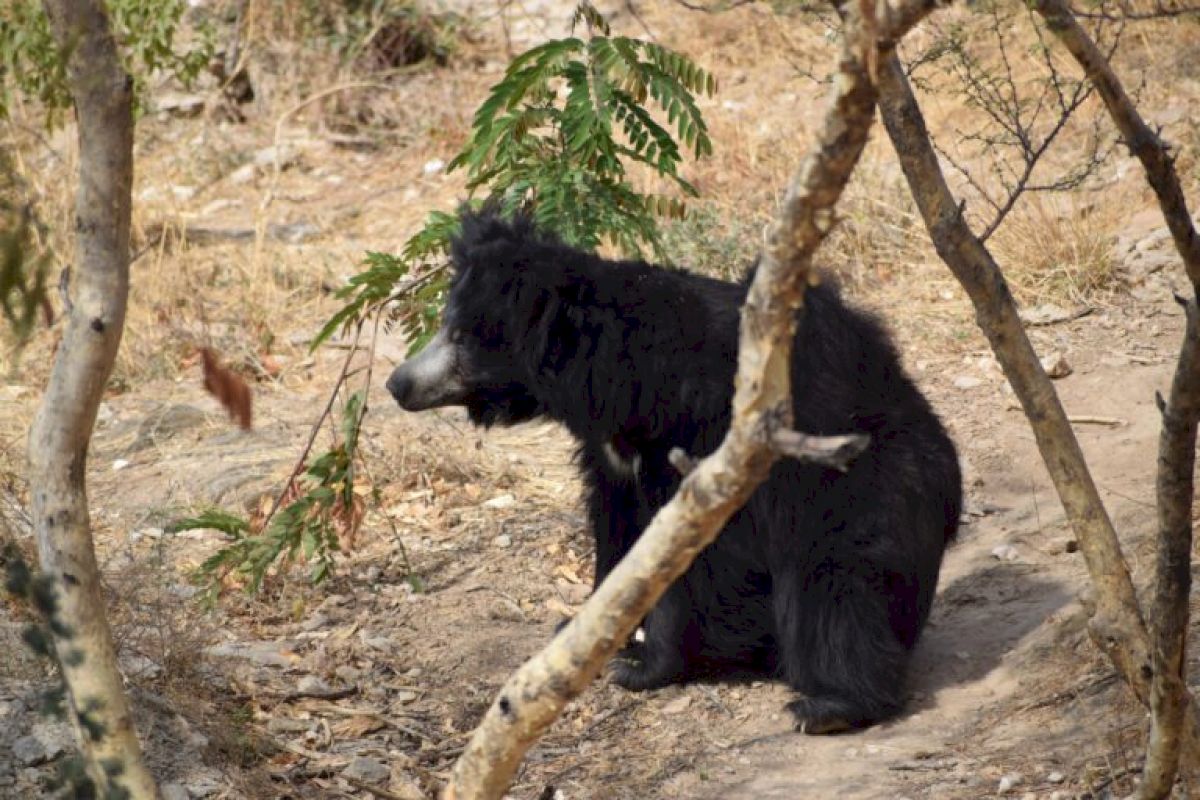
A study in Rajasthan’s Aravalli hills suggests sloth bears help shape dry deciduous forests by spreading seeds that can germinate. Researchers collected 180 scat samples in Kumbhalgarh and Todgarh-Raoli wildlife sanctuaries between…
The Story in Brief
A study in Rajasthan’s Aravalli hills suggests sloth bears help shape dry deciduous forests by spreading seeds that can germinate. Researchers collected 180 scat samples in Kumbhalgarh and Todgarh-Raoli wildlife sanctuaries between November 2021 and July 2022. The bears’ diets changed with the seasons. Plant material dominated winter samples, while insects became more important in summer. Ants appeared in more than 80% of winter scats, and termites in over half of summer samples. Grewia flavescens was the most important fruit in both seasons.
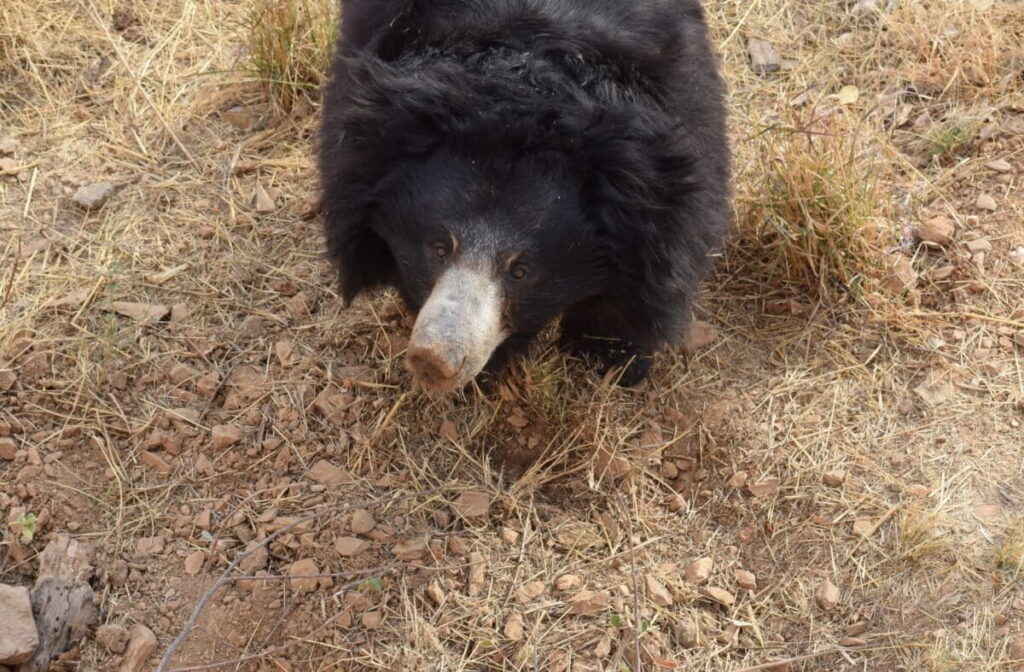
Laboratory experiments found that Lantana camara seeds germinated only after passing through a sloth bear’s digestive system, suggesting the animals may also spread the invasive shrub. The researchers said unusual, wetter summer weather may have made termites and ants easier to find. Monsoon sampling was not possible because rain washed away scats and blocked access to parts of the sanctuaries.
The Indian Opinion
It would be lazy to cast sloth bears as either forest saviours or ecological threats. The study points to a useful seed-dispersal role, but it also links the same process to Lantana camara, an invasive shrub. One study season and 180 samples cannot settle how much bears alter forest composition across Rajasthan. The stronger test is whether repeated surveys show higher regeneration of native plants, alongside the spread of Lantana, in areas used by bears.
Source: india.mongabay.com
This story was synthesised by AI from the source linked above.