




















Now Reading: Smartphone AI system shows high accuracy in detecting eye diseases
-
01
Smartphone AI system shows high accuracy in detecting eye diseases

Smartphone AI system shows high accuracy in detecting eye diseases

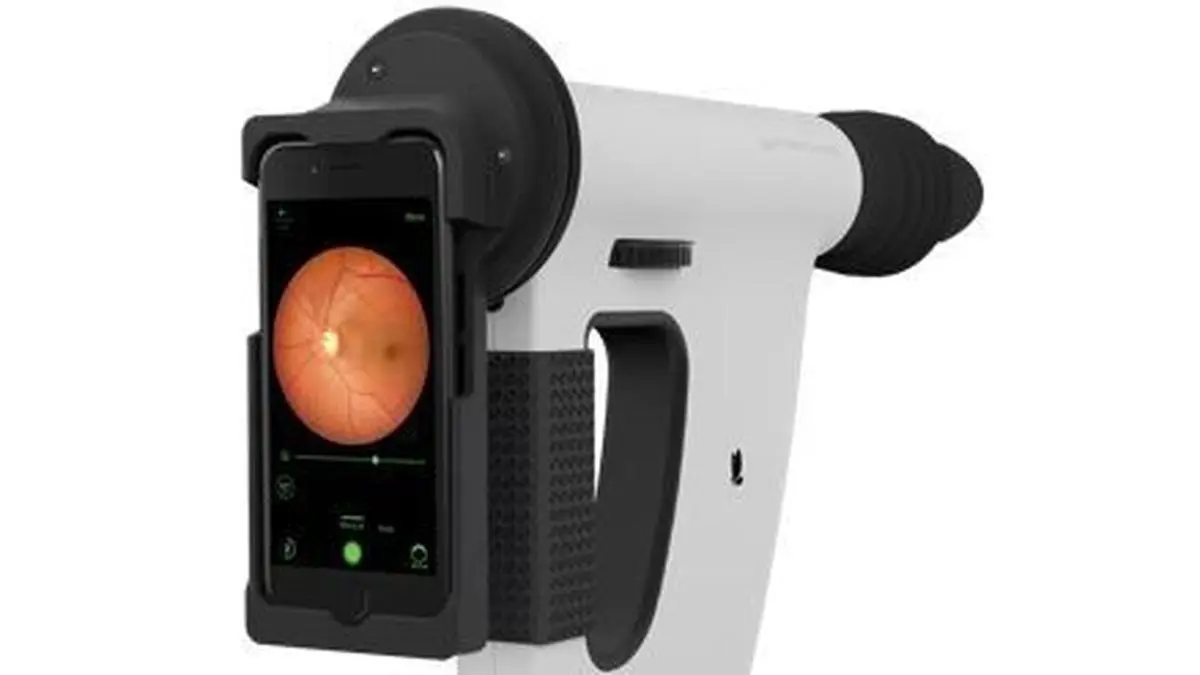
A new study published in the European Journal of Ophthalmology has found that a smartphone-based AI system demonstrated high accuracy in detecting major eye diseases including diabetic retinopathy, age-related macular degeneration and glaucoma.

The study, conducted by doctors from NIO Super Specialty Hospital in Pune, enrolled 193 adults (371 eyes) between May and December 2024. It used the Remidio Fundus on Phone platform integrated with Medios AI multi-disease software, an offline system approved by the Central Drugs Standard Control Organisation.
For glaucoma, sensitivity was 98.2% and specificity 99.0%, for AMD, sensitivity 88.9% and specificity 97.5%, for diabetic retinopathy, sensitivity 84.6% and specificity 99.0%. The study concluded the system supports scalable, point-of-care retinal screening in resource-limited settings.
Indian Opinion Analysis
This smartphone-based AI tool could significantly expand screening reach in India, where 75% of blindness is preventable yet detection remains low due to lack of specialists in rural areas. The system works offline, bypassing connectivity issues common in district hospitals. Regulatory approval from CDSCO means it can be deployed immediately. At Rs 15,000-20,000 per fundus-on-phone attachment, the cost is a fraction of traditional tabletop cameras that cost Rs 5-10 lakh. The key next step is real-world deployment data from primary health centres, which will determine if accuracy holds outside controlled hospital settings.
Source: thehindu.com
This story was synthesised by AI from the source linked above. Methodology and corrections.