











Now Reading: Sohrai-Khovar: From Jharkhand mud walls to Putin’s gift
-
01
Sohrai-Khovar: From Jharkhand mud walls to Putin’s gift



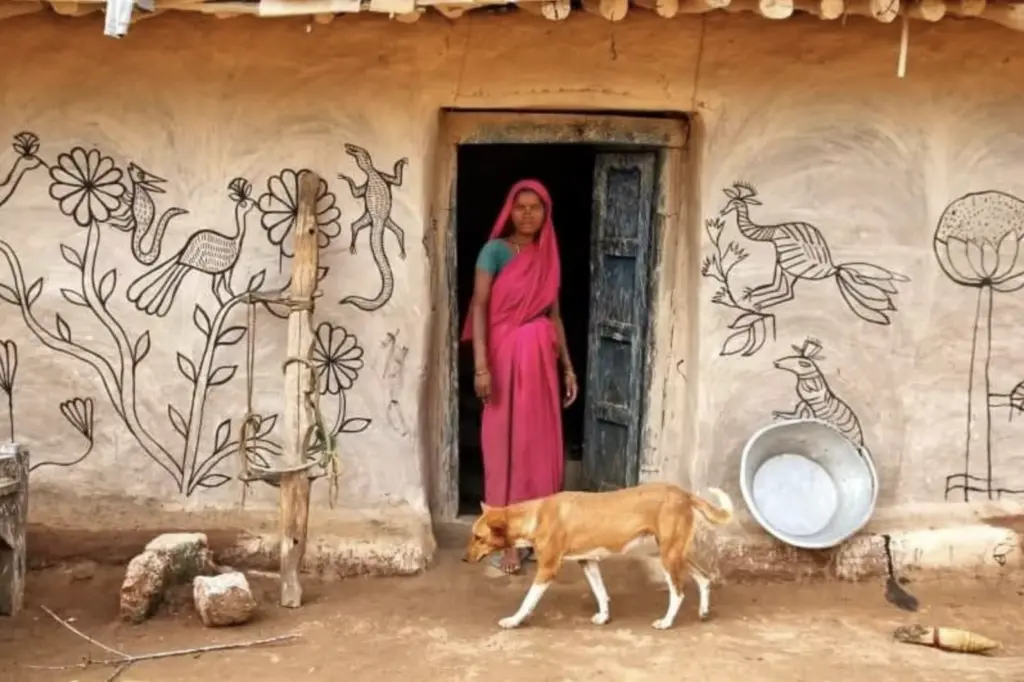
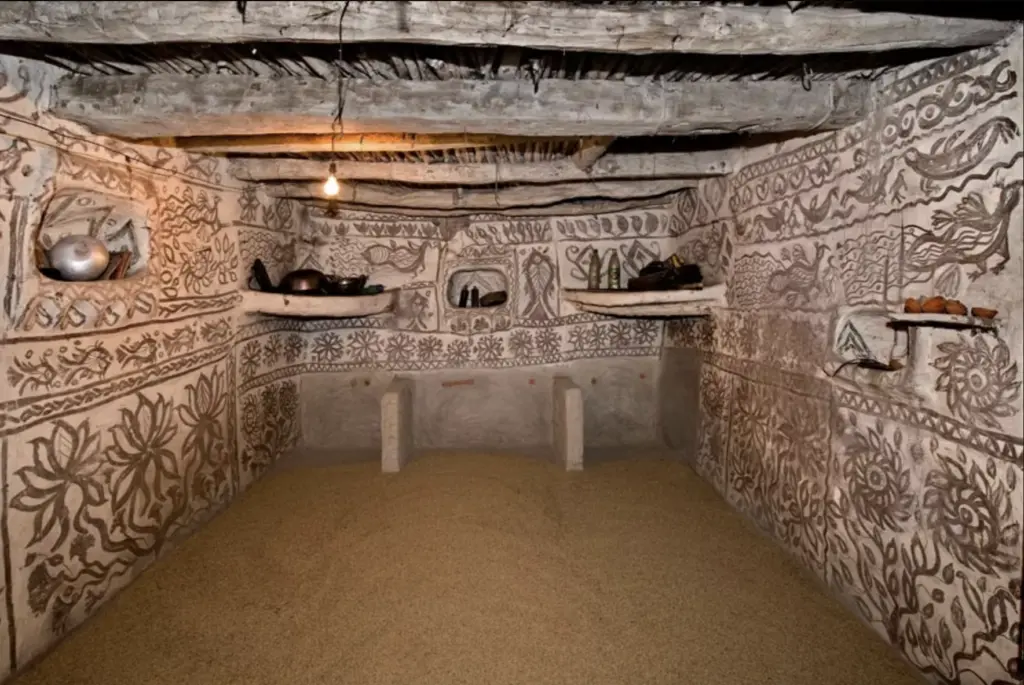
Sohrai and Khovar, ancient tribal mural traditions from Jharkhand's Hazaribagh region, are painted almost exclusively by women using earth colours. The art, traced by environmentalist Bulu Imam in 1991, links back to…
The Story in Brief
Sohrai and Khovar, ancient tribal mural traditions from Jharkhand's Hazaribagh region, are painted almost exclusively by women using earth colours. The art, traced by environmentalist Bulu Imam in 1991, links back to cave paintings from 10,000 to 5,000 BCE. Once confined to harvest festivals and wedding chambers, the practice now fills the lean months between crop cycles, giving rural women a cash income. Sohrai-Khovar received a Geographical Indication tag in May 2020, unusually fast, and Hazaribagh became the first district in Jharkhand to put the motifs on all government buildings, including the airport. Prime Minister Modi is reported to have gifted a Sohrai painting to Russian President Putin. Sanjeev Kumar, an IFS officer, has organised folk art camps since 2007 to expand the art's audience. Local networks now report dozens of women directly employed and hundreds earning supplemental income.
The Indian Opinion
One grand narrative paints this as a government-led revival, but the real story is older and more fragile. Female artists, not bureaucrats, carried this tradition across millennia without any policy push. The GI tag and airport murals are welcome, but they risk turning a living ritual into a state-branding exercise. The true test is whether the women who paint can now name their own price. If they still earn too little, all the official recognition in the world is just decoration.
Sources (2): timesofindia.indiatimes.com, timesofindia.indiatimes.com (2)
This story was synthesised by AI from the 2 sources linked above.
Updated: this story now draws on 2 sources.