










Now Reading: Solid-fuel cooking drives up to 49% of IGP PM2.5 emissions
-
01
Solid-fuel cooking drives up to 49% of IGP PM2.5 emissions


The Story in Brief
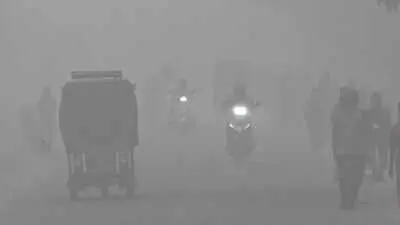
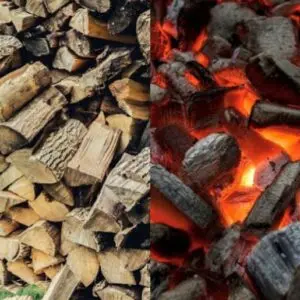
Cooking with firewood, dung cakes and coal is the single largest source of primary PM2.5 emissions in the most polluted parts of the Indo-Gangetic Plain, a Council on Energy, Environment and Water study released on 26 November found. The fuels account for 36% to 49% of emissions across areas from Punjab through Haryana, Delhi, Uttar Pradesh and Bihar to West Bengal.
The study said residential combustion occurs year-round and rises in winter, when households also burn fuel for heating. The Pradhan Mantri Ujjwala Yojana helped avert 15% of India’s household PM2.5 emissions in financial year 2025-26, but refill costs lead some families to continue using solid fuels, CEEW fellow Abhishek Kar said. It recommended a winter LPG refill top-up and discounted induction cooktops and electric pressure cookers through more than 25,000 LPG distributors.
Indian Opinion Analysis
Business Standard and Odisha Bytes provide uniform straight reporting, with both leading on the study’s finding that solid-fuel cooking contributes 36% to 49% of primary PM2.5 emissions in the most polluted parts of the Indo-Gangetic Plain. Both also balance the finding with the Pradhan Mantri Ujjwala Yojana’s reported 15% reduction in household emissions and the affordability problem identified by Abhishek Kar. The coverage gives less space to how the proposed winter top-up or discounted appliances would be funded or implemented, while the study’s recommendation points to affordability as the immediate policy lever. The concrete proposals are a winter LPG top-up and discounted appliances through more than 25,000 distributors.
Coverage: 2 sources, 2 neutral
Sources (2): business-standard.com (neutral report), odishabytes.com (neutral report)
This brief was synthesised by AI from the 2 sources linked above, so one read covers every framing they carry. Methodology and corrections.