





















Now Reading: Delhi air crisis: PM2.5 causes heart, brain, and fetal risks, studies show
-
01
Delhi air crisis: PM2.5 causes heart, brain, and fetal risks, studies show

Delhi air crisis: PM2.5 causes heart, brain, and fetal risks, studies show

The Story in Brief
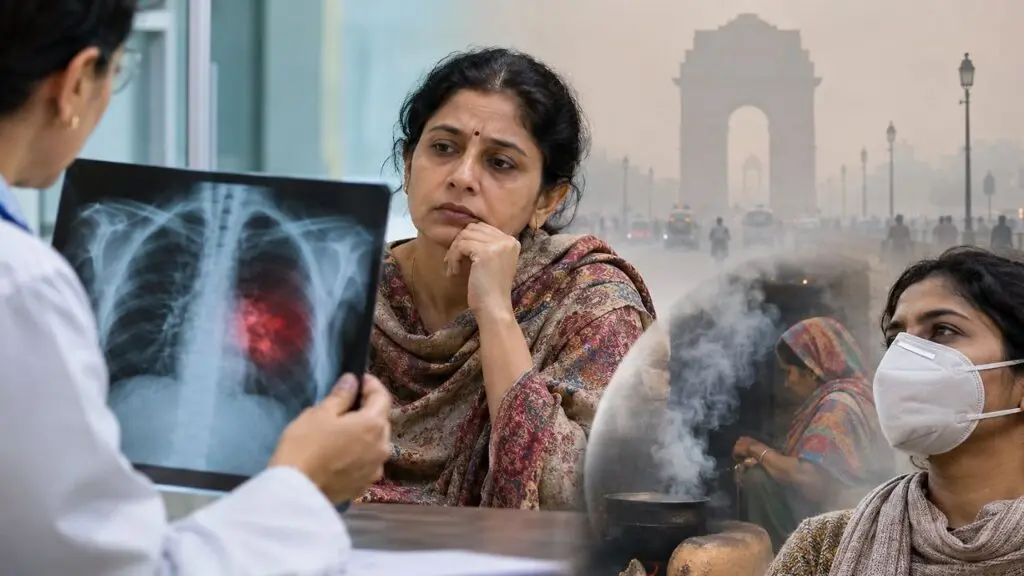
Delhi-NCR's air quality remains hazardous, with the Central Pollution Control Board recording an AQI of 472 in Delhi and 478 in Noida, and the government enforcing Stage III of the Graded Response Action Plan. Fine particulate matter (PM2.5) can enter the bloodstream, triggering oxidative stress that increases risks of heart disease, stroke, and neurological disorders, including dementia and brain ageing, according to studies cited by NDTV and ABP Live.
A Lancet Planetary Health report suggests India could prevent about 15 lakh deaths annually by meeting WHO air quality standards, while FICCI estimates pollution contributes to nearly 20 lakh deaths each year, ABP Live reports. A review by the Centre for Research on Energy and Clean Air of 184 epidemiological studies from 1975 to 2025 found that 91.8% reported at least one positive association between pollution and adverse health outcomes, with government-funded research forming the bulk of the evidence.
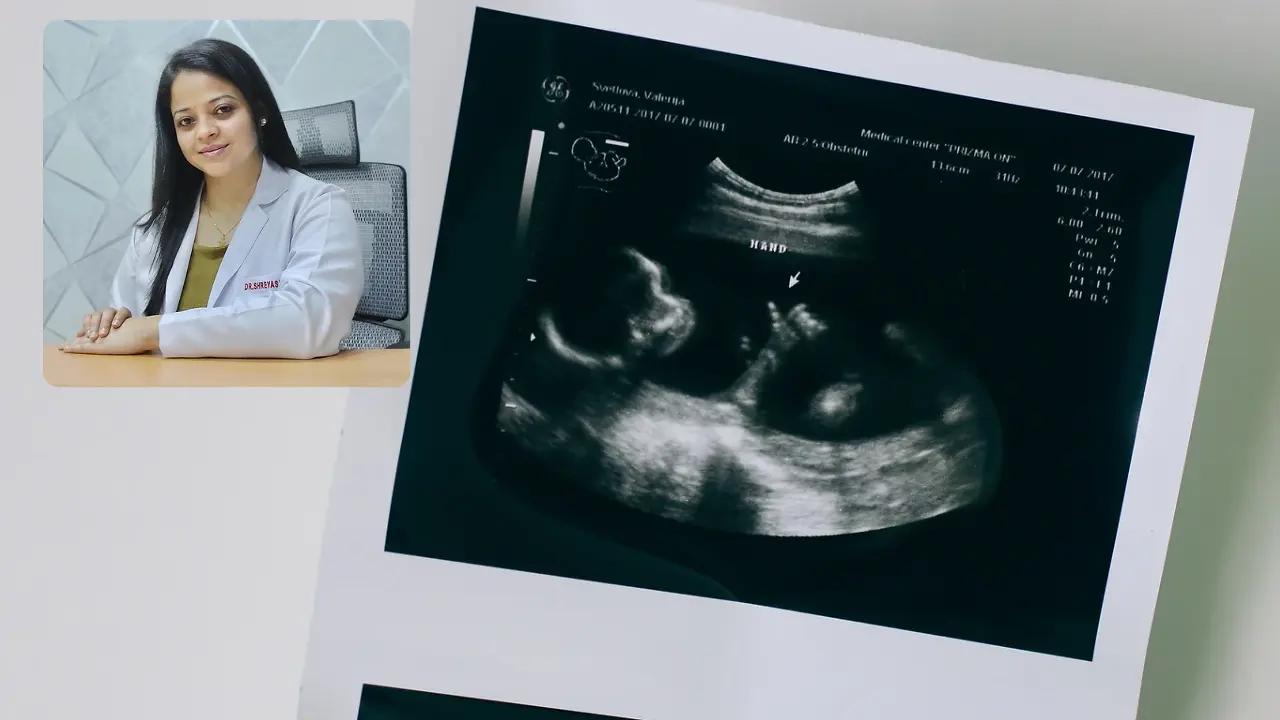
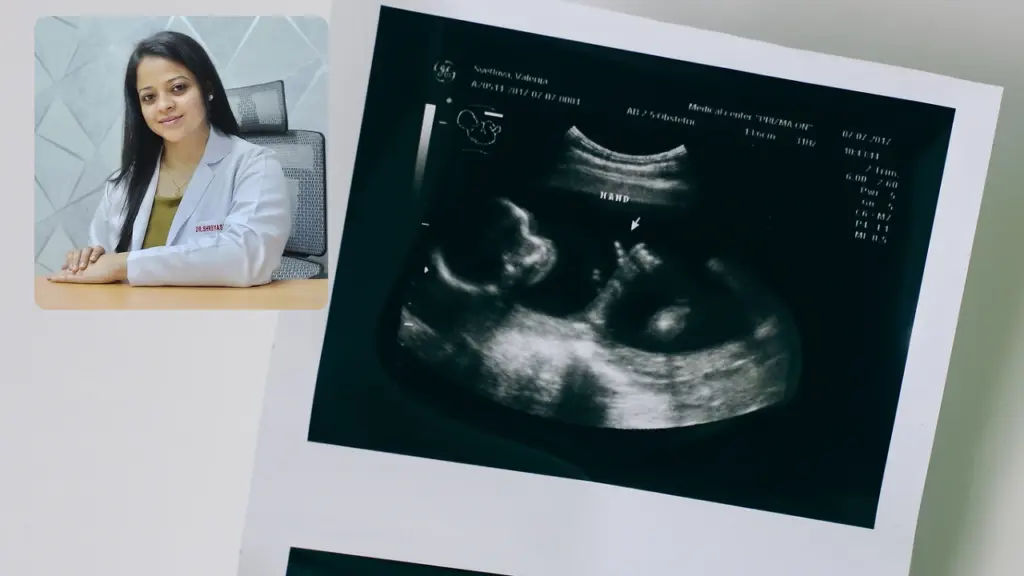
Dr Shreyasi Sharma, fetal medicine specialist in Gurgaon, told Times Now that pollution can disrupt placental function, raising risks of low birth weight, premature birth, and fetal growth restriction. She advises pregnant women to check AQI, wear N95 masks, use HEPA purifiers, and avoid outdoor exercise when pollution is severe.
Update, 13 November 2026: Energy and Clean Air published a review of 184 epidemiological studies from 1975 to 2025, finding that 91.8% reported adverse health associations, with government-backed research forming most of the evidence. This adds a broad epidemiological basis to the earlier health warnings.
Indian Opinion Analysis
All four sources report the same story, the health risks of Delhi-NCR's hazardous air, with near-uniform framing. NDTV and ABP Live lead with brain and heart effects, Times Now with pregnancy risks, and Energy and Clean Air with an epidemiological review. All adopt a neutral-report tone, attributing findings to studies and officials without government-advancing or government-critical language. The uniform coverage reflects that the health science is uncontested across outlets. The balanced reading confirms that pollution's neurological, cardiovascular, and fetal risks are now part of the public health consensus, supported by government-funded research. The subjects that remain open are how enforcement of GRAP measures evolves and whether the air quality drops further in coming days.
Coverage: 4 sources, 4 neutral
Sources (4): ndtv.com (neutral report), abplive.com (neutral report), timesnownews.com (neutral report), energyandcleanair.org (neutral report)
This brief was synthesised by AI from the 4 sources linked above, so one read covers every framing they carry. Methodology and corrections.