












Now Reading: Specialised realty platforms drive India’s next IPO wave
-
01
Specialised realty platforms drive India’s next IPO wave



India’s real estate IPO market is shifting from traditional developers to specialised platforms with recurring revenue and institutional backing. Co-working operators like WeWork India, Awfis, IndiQube and Smartworks have already listed, while…
The Story in Brief
India’s real estate IPO market is shifting from traditional developers to specialised platforms with recurring revenue and institutional backing. Co-working operators like WeWork India, Awfis, IndiQube and Smartworks have already listed, while The Executive Centre India has filed for an IPO. Student housing firm Elevate Campuses, backed by Hillhouse, has proposed a ₹2,550 crore IPO. Residential developer Assetz has filed for a ₹1,200 crore IPO, and Runwal Realty has filed for ₹2,000 crore. Business Today notes that investors now assess occupancy, cash-flow visibility and return on capital rather than just land banks.
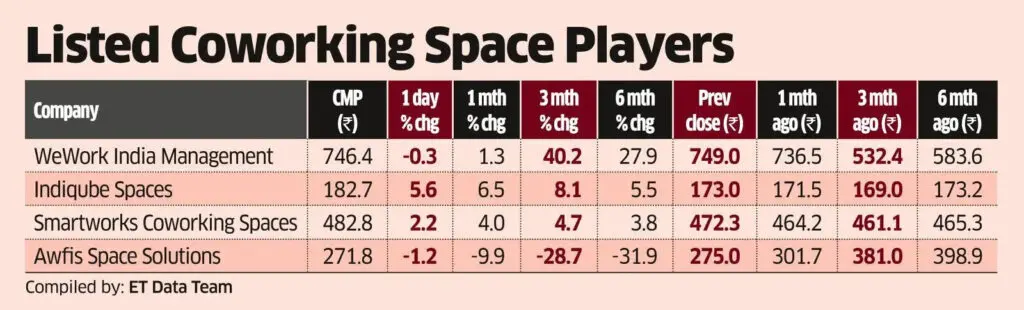
The Economic Times reports that this wave includes REITs, logistics parks and education infrastructure. Flexible workspace operators led the post-pandemic listings. Deep Shah of Unistone says IPOs offer financial flexibility for expansion and acquisitions. However, Business Today quotes Kranthi Bathini warning that higher valuations are not sustainable without healthy cash flows.
The Indian Opinion
The narrative that specialised realty IPOs guarantee premium valuations is overblown. Yes, recurring revenue and institutional governance reduce risk, but several listed co-working players still trade on thin operating margins. Investors must distinguish between platforms with proven unit economics and those riding sector momentum. The key test: will these IPOs sustain earnings growth after the initial listing pop, or will they mirror the earlier developer IPOs that often underperformed? Watch the first quarterly results of Elevate Campuses and Assetz for clues on cash-flow visibility.
Sources (2): economictimes.indiatimes.com, businesstoday.in
This story was synthesised by AI from the 2 sources linked above.
Updated: this story now draws on 2 sources.