














Now Reading: Starc’s six-wicket spell renews India’s workload debate
-
01
Starc’s six-wicket spell renews India’s workload debate


Mitchell Starc took 6/12, including five wickets in his first four overs, as Australia bowled Bangladesh out for 64 in the second Test in Mackay. Pat Cummins claimed three wickets in the innings.
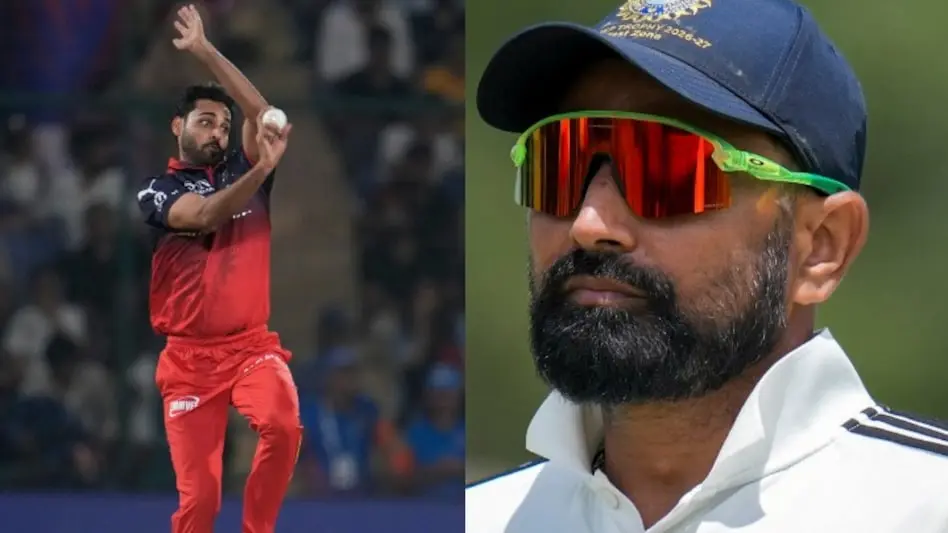
Starc has continued playing across formats and has also featured in the IPL. His performance has renewed debate about India’s management of fast bowlers, whom the BCCI and team management regularly rest because of injury concerns and a crowded schedule.
India rotate pacers between formats to manage workloads, but Starc’s display has raised a separate question about match readiness. Australia and India face different schedules and demands, yet the issue remains whether the workload itself is the problem or how it is managed.
Indian Opinion Analysis
Fast-bowling management involves balancing physical recovery with the value of regular competitive cricket. A player who is rested too often may lack rhythm, while continuous selection can increase injury risk, especially across Tests, limited-overs matches and franchise cricket. Teams therefore assess bowling volume, recovery time and medical feedback before selection. The practical test for India will be whether its rotation policy produces fit quicks who are also ready for long Test spells. Upcoming squad selections and the number of overs assigned across formats will offer the clearest signal.
Source: m9.news
This story was synthesised by AI from the source linked above. Methodology and corrections.