
















Now Reading: States’ deficit widens as cash transfer spending surges to 1% of GDP
-
01
States’ deficit widens as cash transfer spending surges to 1% of GDP


The Story in Brief
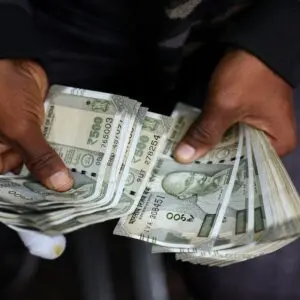
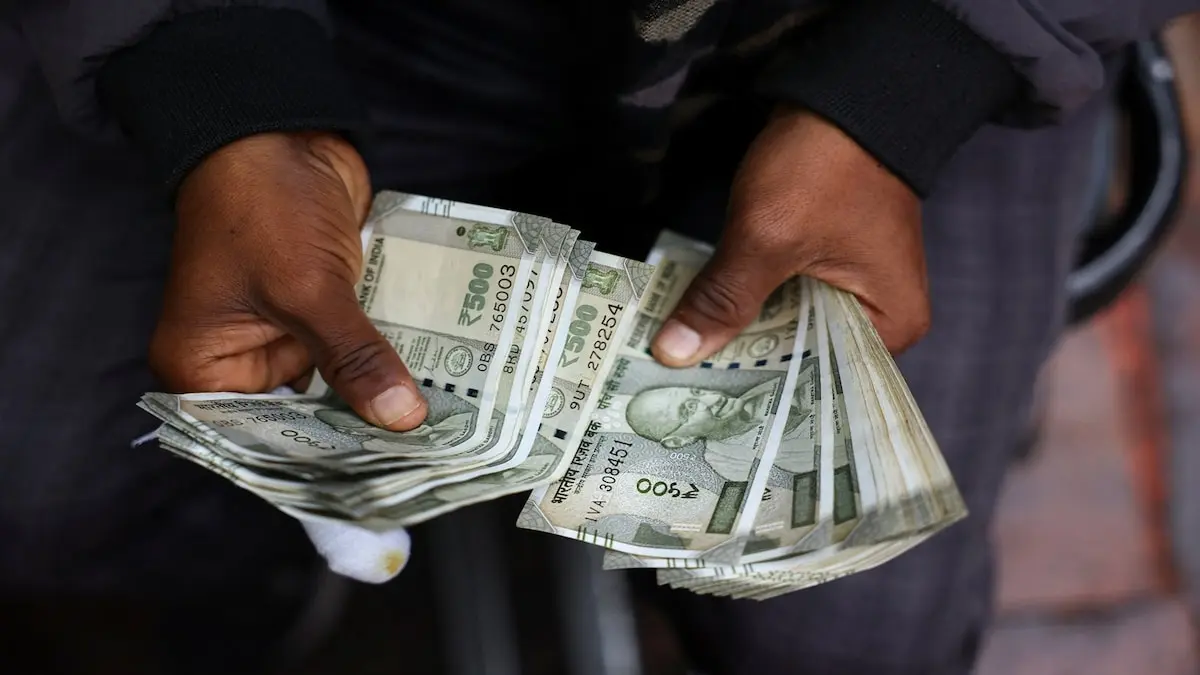
States' collective spending on unconditional cash transfers is estimated to reach around ₹4 lakh crore, or 1% of GDP, in 2026-27, up from 0.6% of GDP in 2022-23, according to PRS Legislative Research’s annual report, The State of State Finances 2026-27. The think tank said state spending on cash transfers grew at an annual rate of 24% over the five years to 2023-24, and the revenue deficit widened from a post-Covid low of 0.23% of GDP in 2022-23 to 0.71% in 2025-26.
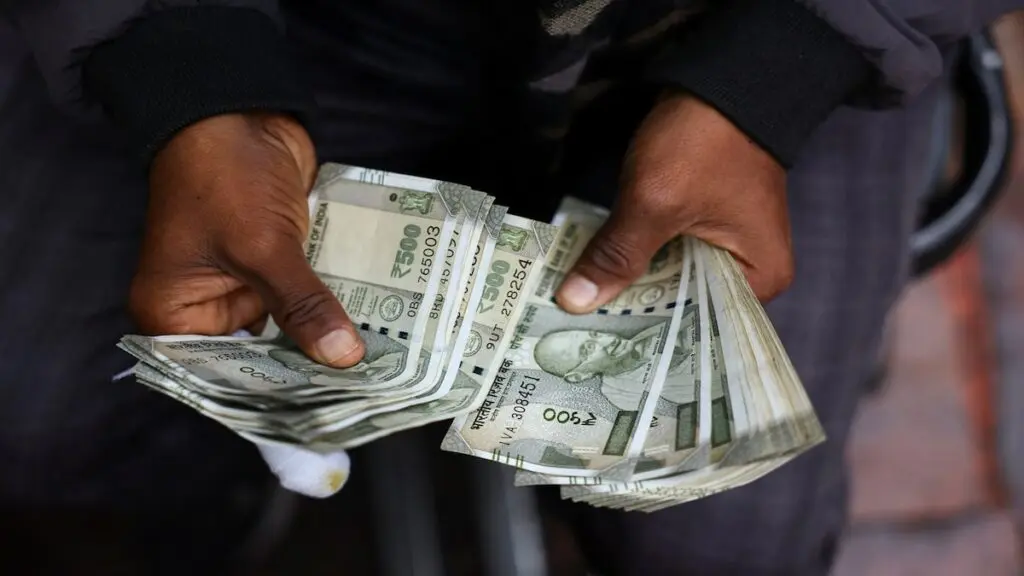
The report noted that ten states have consistently reported revenue deficits, and five states, including Chhattisgarh, Karnataka and Telangana, have moved from a revenue surplus to a deficit. States' spending on subsidies and transfers rose from 16% of revenue receipts in 2018-19 to 21% in 2023-24, with power subsidies and unconditional transfers accounting for the largest share. The 16th Finance Commission observed that unconditional transfer schemes have a large and untargeted beneficiary base, recommending rationalisation. Six states have debt levels exceeding 35% of their GDP.
Indian Opinion Analysis
PRS Legislative Research’s report on state finances is covered uniformly by both outlets, with neither adopting a government-critical or pro-government stance. CNBC-TV18 leads with the widening revenue deficit and the 1% of GDP spend on cash transfers, while The Economic Times focuses on the rise in subsidy and transfer spending from 16% to 21% of revenue receipts. Both include the same core data: the ₹4 lakh crore estimate for cash transfers in 2026-27, the 24% annual growth in such spending, and the 16th Finance Commission’s criticism of untargeted schemes. The difference is purely editorial: CNBC-TV18 emphasises fiscal pressure (deficit, debt levels of six states above 35% of GDP), while The Economic Times elaborates on state-by-state breakdowns of subsidies and unconditional transfers. A reader gets the full picture from either, but together they reinforce that states’ fiscal space is narrowing as welfare spending rises.
Coverage: 2 sources, 2 neutral
Sources (2): cnbctv18.com (neutral report), economictimes.indiatimes.com (neutral report)
This brief was synthesised by AI from the 2 sources linked above, so one read covers every framing they carry. Methodology and corrections.