Now Reading: Steve Jobs’ Stanford lesson on time, death and choice
-
01
Steve Jobs’ Stanford lesson on time, death and choice


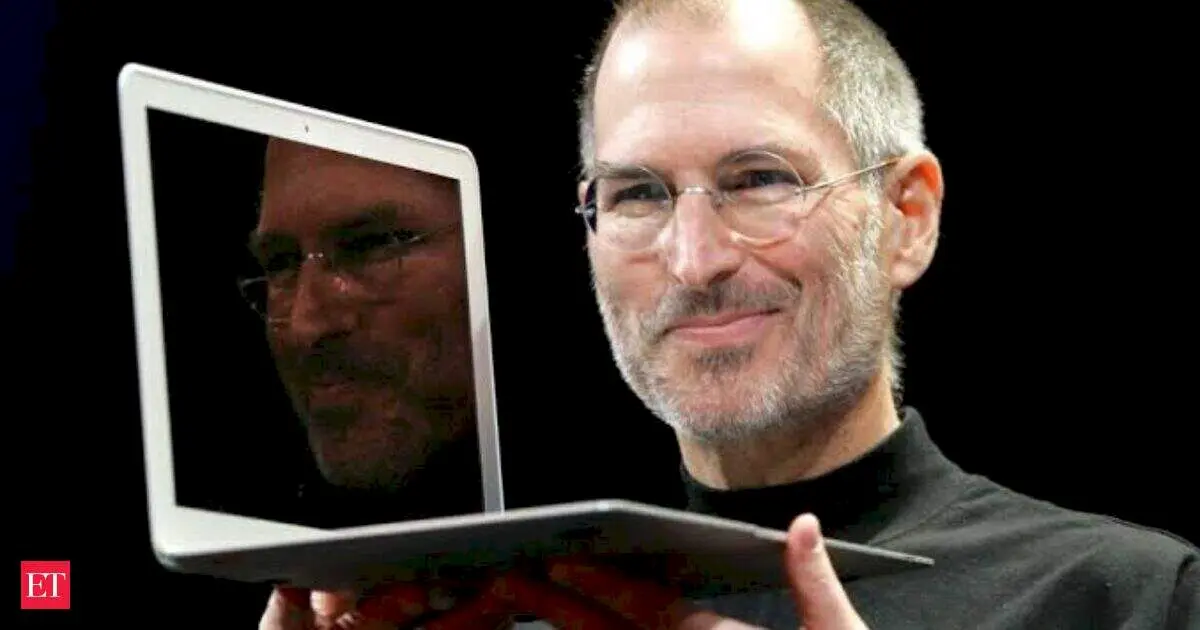
Steve Jobs’ 2005 Stanford commencement speech continues to draw attention for its frank message about mortality and personal choice. Recalling a quote he read at 17, Jobs said he asked himself each…
The Story in Brief
Steve Jobs’ 2005 Stanford commencement speech continues to draw attention for its frank message about mortality and personal choice. Recalling a quote he read at 17, Jobs said he asked himself each morning whether he would want to spend his day in the same way if it were his last. If the answer remained no, he believed change was needed.
Jobs called death “the single best invention of life” because it clears the old to make way for the new. He urged graduates not to live by other people’s expectations, ignore their inner voice or surrender to dogma. His closing message was direct: time is limited, so people should have the courage to follow their hearts and question the lives they are building.
The Indian Opinion
The easy reading is that Jobs offered a formula for instant fulfilment, but his advice was less glamorous than motivational posts suggest. Daily reflection cannot erase financial duties, family responsibilities or uncertainty. Nor does following one’s intuition guarantee success. The useful test is practical: after asking whether today’s work matters, what concrete change follows, and is it sustained beyond a few days?
Source: economictimes.indiatimes.com
This story was synthesised by AI from the source linked above.