














Now Reading: Supreme Court acquits man after 22 years in jail
-
01
Supreme Court acquits man after 22 years in jail


The Supreme Court acquitted a man who had spent 22 years in prison over a triple murder conviction, ruling that the trial court failed to evaluate the evidence properly and that the…
The Supreme Court acquitted a man who had spent 22 years in prison over a triple murder conviction, ruling that the trial court failed to evaluate the evidence properly and that the case rested on a lone eyewitness the court found unreliable and shaky, The Times of India reported. He had been sentenced to life imprisonment under Section 302 and had already served 12 years when he filed an appeal from jail, the Odisha High Court refused to condone a 3,157 day delay in that appeal and dismissed it, adding another decade in custody before the Supreme Court stepped in.
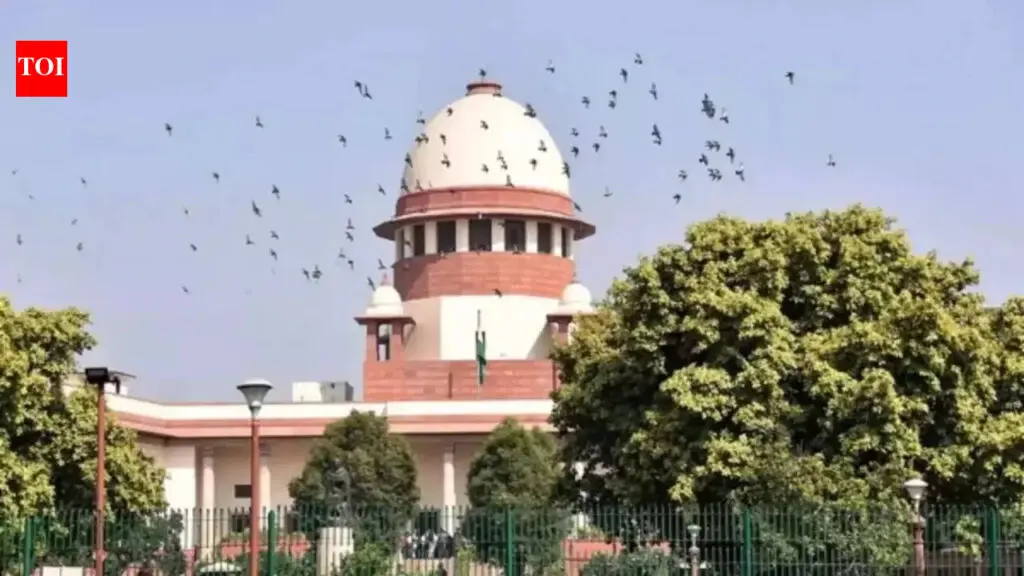
A bench of Justices J B Pardiwala and K Vinod Chandran said a confession in the case had allegedly been extracted using third degree methods, and said the high court had remained, in the bench's own words, a mute spectator while 22 years were erased from the man's life without reliable evidence, adding that access to justice still eludes marginalised, imprisoned people.
Indian Opinion Analysis
The bench's language, mute spectator, third degree methods, 22 years erased, comes directly from the judgment as quoted here, not from any summary gloss. Left unexplained is why the appeal itself took 12 years to reach the high court in the first place, or how the trial court reached its original reading of the single eyewitness account. This is a correction in one case rather than a verdict on the wider appeals system.
That criticism of how the appeal was handled is now part of the public record alongside the acquittal itself, the 3,157 day delay figure standing as the number any future condonation ruling from the same high court would be measured against.
Source: timesofindia.indiatimes.com
This brief was synthesised by AI from the source linked above.