














Now Reading: Supreme Court asks Centre to consider abolishing polygamy for all
-
01
Supreme Court asks Centre to consider abolishing polygamy for all


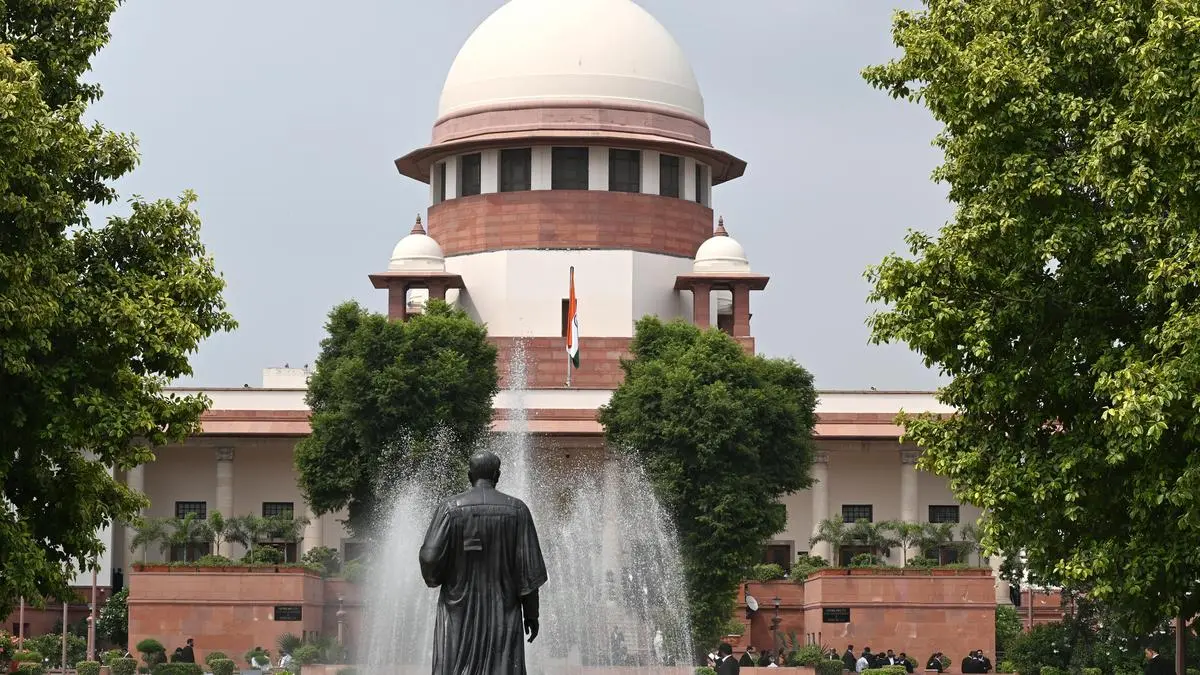
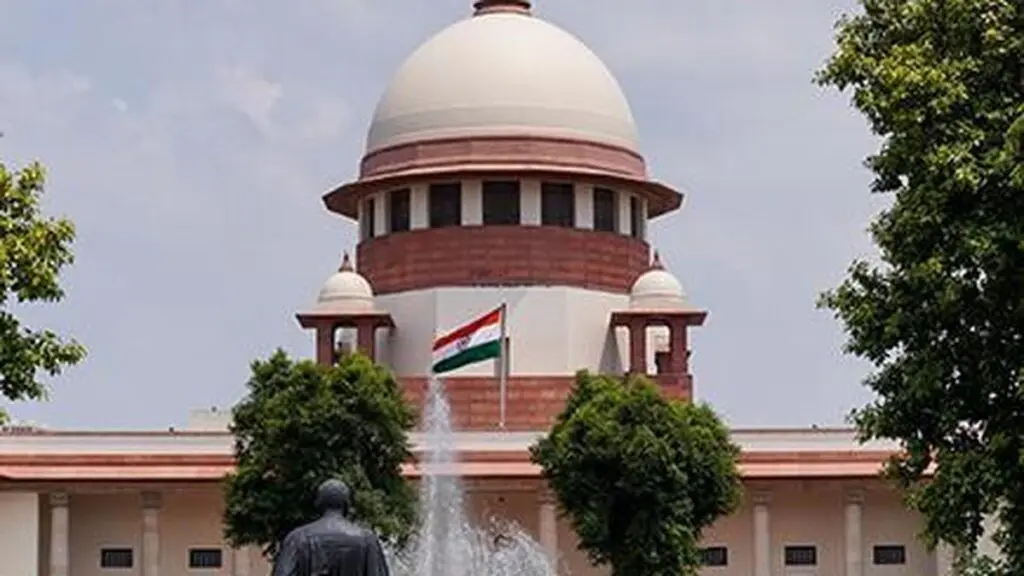
The Supreme Court has sought the Centre's response on a petition challenging the constitutional validity of polygamy, and asked the government to consider legislative steps to abolish the practice for all citizens regardless of religion. The petition was filed by five activists who want polygamy treated as a criminal offence under Section 82 of the Bharatiya Nyaya Sanhita, a provision that currently applies only to non-Muslims and carries a punishment of up to seven years in prison for marrying again during an existing marriage.

The petitioners have also sought to annul the exemptions granted under Muslim Personal Law that permit Muslim men to have multiple wives. The case renews a long-standing legal debate on the conflict between religious personal laws and constitutional guarantees of equality. The court's next hearing is awaited.
Indian Opinion Analysis
Polygamy has been a battleground between uniform civil code aspirations and Muslim personal law for decades. The Shah Bano case in 1985 first put this tension in the national spotlight. Article 44 of the Constitution, which directs the state to secure a uniform civil code, remains unenforced. The real question is not merely whether polygamy violates constitutional morality, but how far the court will go in overriding religious personal law without legislative backing. The government's response, due in the coming weeks, will signal whether it is prepared to legislate on a politically charged issue that successive governments have avoided.
Source: thehindu.com
This story was synthesised by AI from the source linked above. Methodology and corrections.