





Now Reading: Supreme Court grants bail in Gujarat cow meat case, cites antecedents not proof
-
01
Supreme Court grants bail in Gujarat cow meat case, cites antecedents not proof

Supreme Court grants bail in Gujarat cow meat case, cites antecedents not proof

The Story in Brief
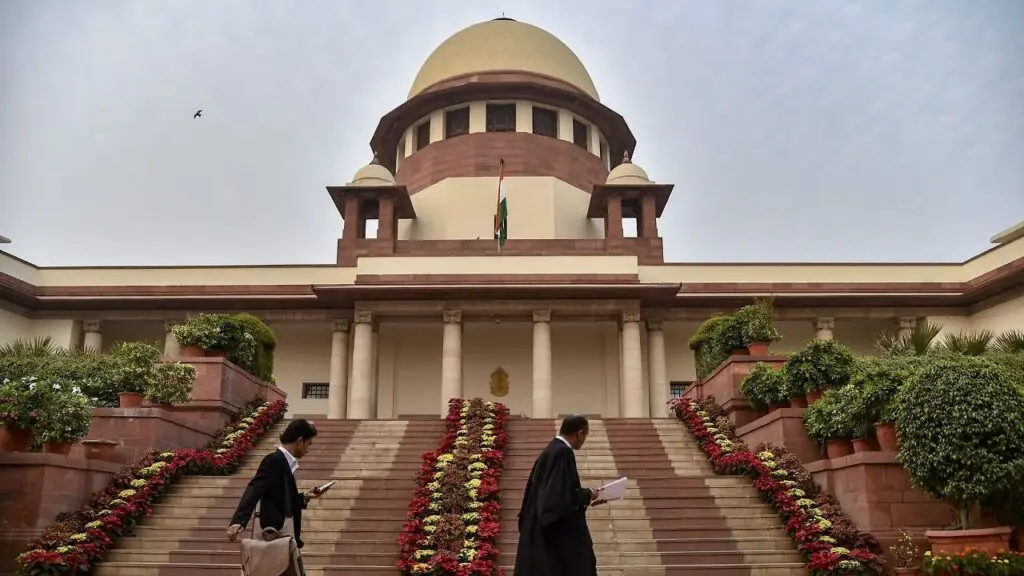
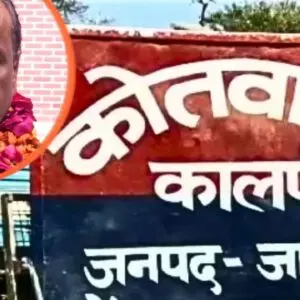
The Supreme Court on 14 October granted regular bail to Mohammad Aarif Abdul Razak Samol, who was arrested on 3 January and accused of procuring and storing 23 kg of cow meat in an open plot near his house in Gujarat. A bench of Justice Aravind Kumar and Justice Vipul M. Pancholi held that the appellant's five criminal antecedents of a similar nature do not constitute definitive proof of guilt in the present case. The Court noted that the charge-sheet had been filed, the trial had commenced, and the meat was recovered from an open plot accessible to all.
The State of Gujarat opposed bail, arguing that the trial was at its final stage and would conclude within two months, and that the appellant was likely to re-offend. The accused countered that the case rested on circumstantial evidence: he was not arrested at the spot, the plot and the car used for transport did not belong to him. The Court directed that Samol be released on bail on terms to be set by the jurisdictional court, expressing no opinion on the merits of the allegations.
Indian Opinion Analysis
LiveLaw and LawChakra both report the same October 14 bail order by the Supreme Court in the Gujarat cow meat case, and their coverage is uniform straight reporting. The only difference is that LiveLaw leads with the Court's rejection of antecedents as proof of guilt, while LawChakra adds an explanatory section on why the order matters, restating the bail principle. Both note the appellant's five similar antecedents, the State's argument that trial would conclude within two months, and the Court's point that the meat was recovered from an open plot. No source frames the prosecution or the accused favourably. The Court's ruling itself is the key fact: antecedents do not replace evidence. No next hearing has been named, but the trial is ongoing in the jurisdictional court.
Coverage: 2 sources, 2 neutral
Sources (2): livelaw.in (neutral report), lawchakra.in (neutral report)
This brief was synthesised by AI from the 2 sources linked above, so one read covers every framing they carry. Methodology and corrections.