












Now Reading: OpenAI makes India its top market, pushes voice and Hindi
-
01
OpenAI makes India its top market, pushes voice and Hindi


The Story in Brief
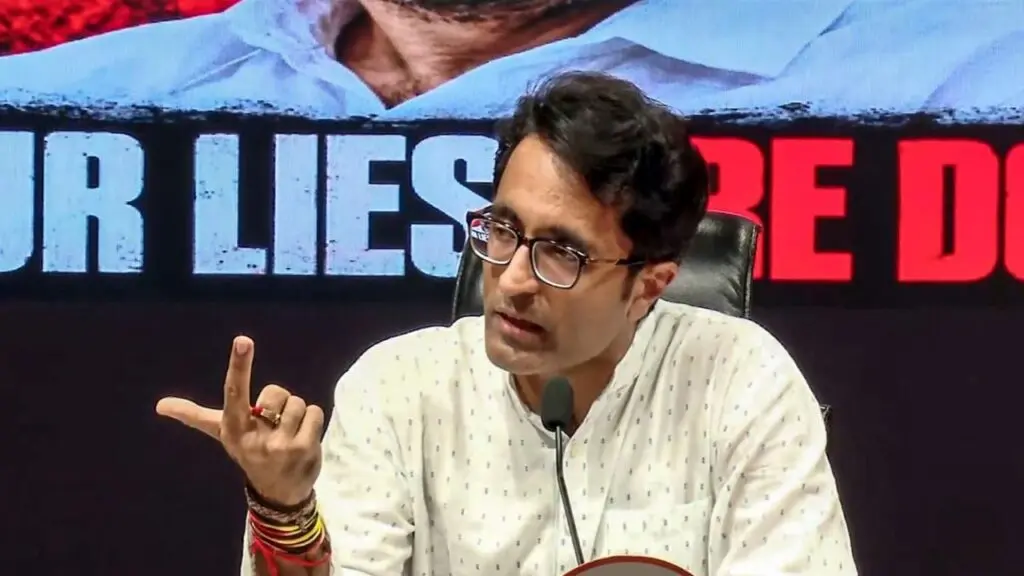
India has become ChatGPT's largest consumer market globally by weekly active users, with the user base doubling since January 2026, OpenAI India managing director Prabhjeet Singh said. In his first media interview since joining in August, Singh said the company is focusing on voice, Hindi and regional languages to reach users who prefer speaking over typing or own entry-level smartphones. OpenAI is also working to ensure its full model can run on low-memory devices and introduced ChatGPT Go for affordability.
Singh said OpenAI is engaging with the government on data protection, model safety and cybersecurity, describing the discussions as constructive. He did not specify which models are being discussed or the recipients. The company is expected to make announcements on UPI and payments in the coming weeks. Singh said adoption among enterprises is shifting from pilots to scaled deployment, and cited small businesses using ChatGPT for marketing and inventory management, though he did not provide adoption figures.
Indian Opinion Analysis
The Times of India leads on OpenAI’s voice and Hindi work and the India MD’s comments on data protection talks with the government, while the Economic Times leads on the user base doubling since January 2026 and a payments announcement expected in weeks. Both outlets report Singh’s statements neutrally, with no critical framing of the company or government. The differences are in emphasis, not slant: TOI focuses on features and regulatory engagement, ET on growth metrics and upcoming UPI integration. The uniform coverage suggests OpenAI’s India narrative is being reported without challenge. The concrete watch item is OpenAI’s expected payments announcement in the coming weeks, as stated by ET.
Coverage: 2 sources, 2 neutral
Sources (2): timesofindia.indiatimes.com (neutral report), economictimes.indiatimes.com (neutral report)
This brief was synthesised by AI from the 2 sources linked above, so one read covers every framing they carry. Methodology and corrections.
Update, 3 November 2026: this story now draws on 2 sources.