












Now Reading: Supreme Court: Marking exhibit does not prove document contents
-
01
Supreme Court: Marking exhibit does not prove document contents


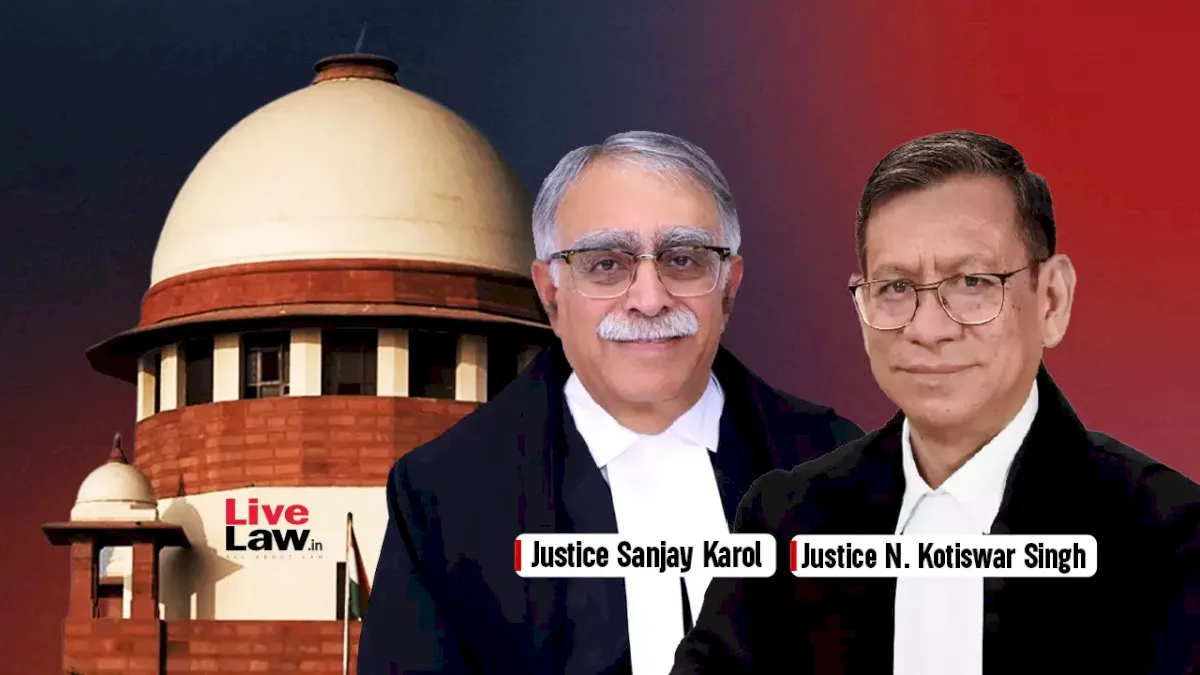
The Supreme Court has ruled that merely marking a document as an exhibit in court proceedings does not constitute proof of its contents. A bench of Justices held that the contents of…
The Story in Brief
The Supreme Court has ruled that merely marking a document as an exhibit in court proceedings does not constitute proof of its contents. A bench of Justices held that the contents of a document must be independently proved through evidence, and the act of exhibition is only a procedural step for identification.
The ruling came in the case S. Sangeetha & Ors versus Tmt. P. Ponni. The Court observed that parties cannot rely on a document solely because it has been exhibited; they must establish its authenticity and contents through oral or other evidence. LiveLaw reports that the judgment clarifies a common misconception in trial courts.
The Indian Opinion
Lawyers and litigants often treat exhibit marking as a shortcut to evidence, but this judgment rightly kills that lazy habit. The Supreme Court has merely restated a basic rule of the Evidence Act, yet trial courts routinely let this slide. Parties now have no excuse for slack proof. Expect procedural objections to rise sharply. Will the trial bar finally learn that a seal and signature on a document do not replace a witness in the box?
Source: livelaw.in
This story was synthesised by AI from the source linked above.