












Now Reading: Supreme Court sends Kirloskar family dispute to arbitration
-
01
Supreme Court sends Kirloskar family dispute to arbitration



Kirloskar Brothers Ltd shares fell 1.22% on Tuesday after the company disclosed a Supreme Court order directing arbitration in a long-running family dispute. The stock closed at Rs 1,899 on the NSE, down Rs 23.40 from Monday's close, with traded volume of 0.28 lakh shares worth Rs 5.38 crore.

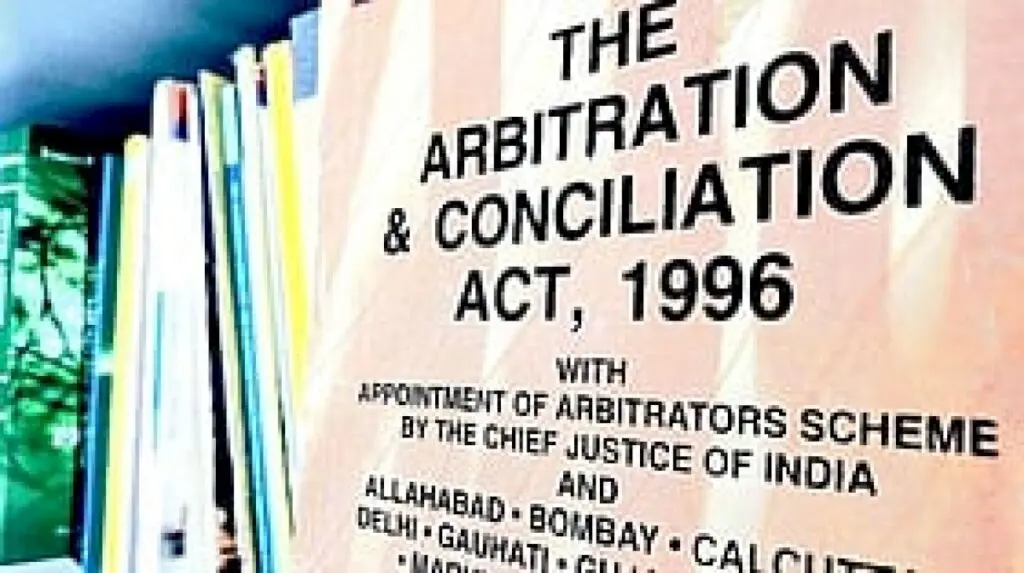
The August 11 Supreme Court order disposed of three Special Leave Petitions from 2021, directing a three-member arbitral tribunal to adjudicate disputes arising from a Deed of Family Settlement dated September 11, 2009. The DFS had divided management and control of Kirloskar Group entities among family branches. The court appointed Justice Nitin Madhukar Jamdar as arbitrator for the company and Justice K.R. Shriram for the contesting respondents, with Pune as the seat of arbitration.
The court left open all questions of arbitrability, including whether non-signatories to the DFS are bound by its arbitration clause, to be decided by the tribunal as a preliminary issue. The company said the financial impact of the proceedings cannot be presently ascertained.
Indian Opinion Analysis
The Kirloskar family dispute has been a recurring overhang on the group's valuation since the 2009 settlement fractured control across branches. A Supreme Court-ordered arbitration is not a resolution: it is a process that can stretch for months or years, keeping the uncertainty alive for minority shareholders. The tribunal must first decide whether non-signatories to the family settlement are bound by its arbitration clause, a legal fight that could itself take several hearings. Investors are pricing in this timeline: the stock's 1.2% dip is mild for a family feud entering a fresh legal phase. The next concrete milestone is the appointment of the presiding arbitrator, which the two nominees must complete within four weeks.
Past Kirloskar family arbitrations have taken 12-18 months to produce binding awards, and appeals to the Supreme Court can add another year.
Source: thehindubusinessline.com
This brief was synthesised by AI from the source linked above. Methodology and corrections.