












Now Reading: Niti VC defends UPI fee, Congress calls it Modi Tax
-
01
Niti VC defends UPI fee, Congress calls it Modi Tax


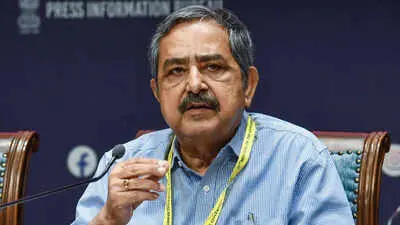
The government has introduced a 0.4% Merchant Discount Rate (MDR) on UPI person-to-merchant payments above Rs 2,000, effective October 15. NITI Aayog vice chairman Ashok Kumar Lahiri defended the move, saying businesses…
The government has introduced a 0.4% Merchant Discount Rate (MDR) on UPI person-to-merchant payments above Rs 2,000, effective October 15. NITI Aayog vice chairman Ashok Kumar Lahiri defended the move, saying businesses must become self-sustaining and compare the charge to cheque book fees. The government has ruled out a rollback.
Congress leader Rahul Gandhi called the levy a 'Modi Tax' and alleged the decision was taken under US pressure. The finance ministry rejected the claim, stating UPI policy is independent. A PIL has been filed in the Supreme Court challenging the lack of public consultation. Petroleum dealers have sought exemption, warning the flat Rs 5 MDR on fuel will erode their margins.
Brokerages estimate the MDR framework could create a revenue pool of up to Rs 20,600 crore for payment companies, with Paytm among the likely beneficiaries. The government says over 95% of P2M transactions by volume remain free. The Retailers Association of India warned that small merchants may revert to cash.
Indian Opinion Analysis
Pro-government sources (TOI, Times Now) led with Lahiri's 'bees and honey' defence and the finance ministry's denial of foreign influence, framing MDR as a sustainability measure. The Hindu and NDTV foregrounded dealer and retailer opposition, highlighting risks to UPI adoption and dealer margins. Congress's political attack was covered widely but the opposition's specific allegation of US pressure was not examined in pro-government accounts. The coverage split largely along government versus critic lines, with the financial opportunity for payment firms reported only by Times Now. The Supreme Court hearing on the PIL challenging the MDR will test procedural grounds for the levy.
Coverage: 7 sources, 1 pro-government, 2 government-critical, 2 neutral, 2 sensationalist
Sources (7): timesofindia.indiatimes.com (pro government), timesofindia.indiatimes.com (2) (neutral report), thehindu.com (government critical), timesnownews.com (sensationalist), timesnownews.com (2) (sensationalist), timesnownews.com (3) (neutral report), ndtv.com (government critical)
This brief was synthesised by AI from the 7 sources linked above, so one read covers every framing they carry.
Updated: this story now draws on 7 sources.