












Now Reading: Supreme Court to consider plea on Form-7 misuse in U.P.
-
01
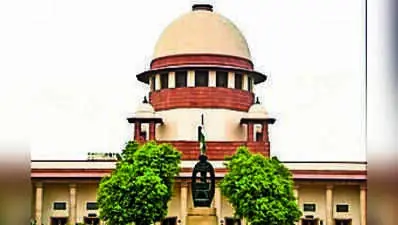
Supreme Court to consider plea on Form-7 misuse in U.P.


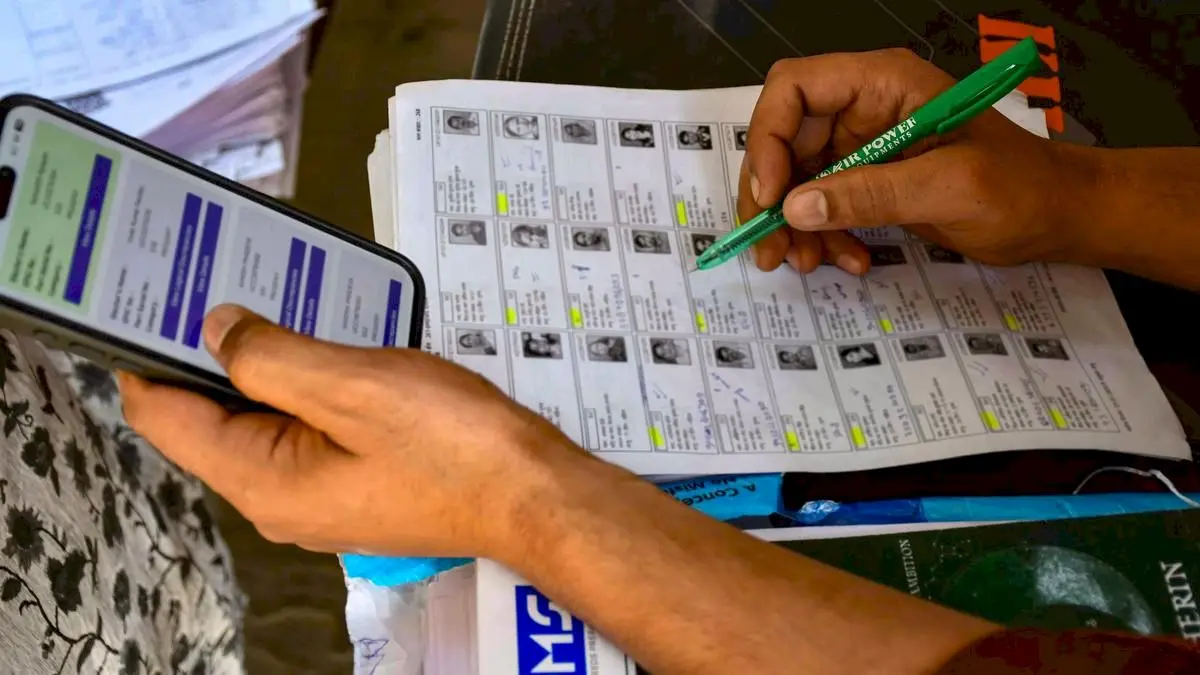
The Supreme Court has agreed to hear Congress MP Tanuj Punia’s plea alleging widespread misuse of Form-7 during the Uttar Pradesh Special Intensive Revision (SIR) process. Form-7 allows objections to voter-list entries…
The Story in Brief
The Supreme Court has agreed to hear Congress MP Tanuj Punia’s plea alleging widespread misuse of Form-7 during the Uttar Pradesh Special Intensive Revision (SIR) process. Form-7 allows objections to voter-list entries only on grounds like death or permanent relocation, but the plea claims it was used for bulk, fraudulent deletions targeting minority and marginalised communities. The application cites pre-filled forms, forged signatures, and Booth Level Officers receiving objections against multiple electors they had already verified.
The SIR process ended in April, with the final roll showing a net increase of 84 lakh voters to 13.39 crore. The MP’s plea, pending since February, was taken up on August 5. The court has scheduled the next hearing for late August. The plea seeks penal action under the Representation of the People Act against those filing false objections.
The Indian Opinion
The Congress MP’s allegations fit a familiar pattern: every election cycle brings claims of voter-list manipulation. But the real test is evidence. The Election Commission must produce data on how many Form-7 objections were accepted, rejected, and on what grounds. Without that, the charge of “targeted” deletions remains just that. The court will have to decide whether isolated instances prove a systemic plot or reflect a flawed but not malicious process. The numbers, not the narratives, will settle this.
Source: thehindu.com
This story was synthesised by AI from the source linked above.