












Now Reading: 1.07 crore voters deleted in Karnataka SIR, 7.7 lakh added
-
01
1.07 crore voters deleted in Karnataka SIR, 7.7 lakh added


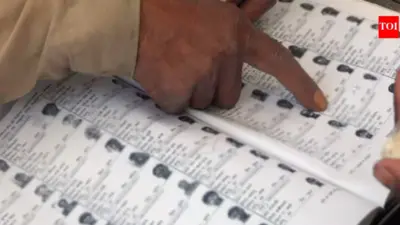
Karnataka’s Special Intensive Revision of electoral rolls has deleted 1.07 crore voters from the draft roll, while only 7.7 lakh fresh applications were received for inclusion, Deccan Herald reports. In Bhalki and…
Karnataka’s Special Intensive Revision of electoral rolls has deleted 1.07 crore voters from the draft roll, while only 7.7 lakh fresh applications were received for inclusion, Deccan Herald reports. In Bhalki and Babaleshwar constituencies, Form 7 objections sought to remove 4,610 voters, most of them Muslim, according to The News Minute and Times of India. Many objections were filed by a small group of people just before the deadline. The Election Commission has said most mass applications in Babaleshwar were withdrawn after officials warned of penalties for false claims.
Across India, over 73 lakh voters were marked ‘absent, shifted, dead or duplicate’ in Telangana, the highest deletion rate at 21.7 per cent. In Delhi, notices went to 33 lakh electors including CEOs of major banks and political leaders. The ECI on September 26 announced that Booth Level Officers will now visit homes to collect documents for voters flagged with logical discrepancies, and extended the claims deadline in Delhi to October 30. AIMIM chief Asaduddin Owaisi called the SIR a backdoor National Register of Citizens, urging recipients to respond to notices or risk losing voting rights and citizenship.
The final electoral roll for Karnataka is scheduled for publication on October 27, with hearings for those flagged continuing until October 12.
Indian Opinion Analysis
Frontline and TheNewsMinute foreground the disproportionate burden on Muslim and marginalised voters in Karnataka and Telangana, casting the SIR as an exclusionary exercise with systemic flaws. Times of India and the ECI’s own announcements frame the mass Form 7 withdrawals and new home-visit guidelines as proof the system corrects itself. The EC’s internal dissent (reported by Siasat and Telangana Today) and the 1.07 crore deletions versus 7.7 lakh fresh applications in Karnataka reveal a stark net disenfranchisement that administrative tweaks may not reverse. The real test is the October, November hearing disposal rates in Karnataka and Telangana, and whether Delhi’s 10-point checklist curbs deletions beyond the 33 lakh notices already issued.
Coverage: 11 sources, 1 pro-government, 5 government-critical, 5 neutral
Sources (11): thenewsminute.com (government critical), timesofindia.indiatimes.com (neutral report), frontline.thehindu.com (government critical), frontline.thehindu.com (2) (government critical), livemint.com (neutral report), businesstoday.in (neutral report), siasat.com (government critical), siasat.com (2) (neutral report), telanganatoday.com (government critical), deccanherald.com (neutral report), republicworld.com (pro government)
This brief was synthesised by AI from the 11 sources linked above, so one read covers every framing they carry.
Updated: this story now draws on 11 sources.