



















Now Reading: Supreme Court Warns Rajasthan of Contempt Action Over River Pollution
-
01
Supreme Court Warns Rajasthan of Contempt Action Over River Pollution



The Story in Brief
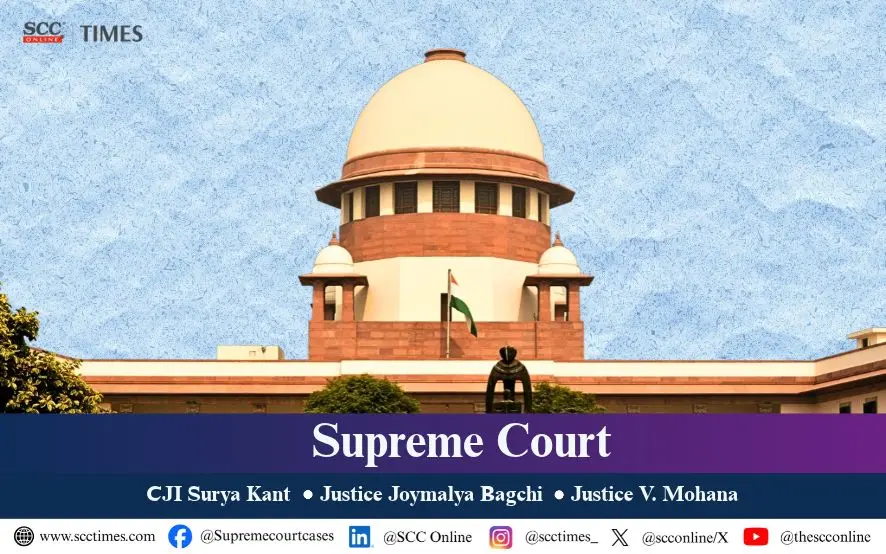
The Supreme Court on 27 November warned the Rajasthan government that it could initiate suo motu contempt action if authorities failed to act on contamination in the Jojari-Bandi-Luni river ecosystem. A bench of Justices Vikram Nath and Sandeep Mehta called the state’s response ‘absolutely lethargic’ and said bureaucratic hurdles would not be allowed to delay action.
The court was told that Rajasthan had formed a special investigation team to probe organised illegal bajri mining affecting the three rivers, with some FIRs registered. It also discussed severe drinking water shortages in Balotra and suggested a roughly 100-kilometre pipeline from the Narmada canal. The court had earlier restricted new industrial permissions near the rivers until high flood lines and buffer zones were scientifically determined. The matter will be taken up on 10 December for orders.
Indian Opinion Analysis
Asian Age, Verdictum and Orissa Post present the hearing mainly through the court’s warnings and directions, using largely identical proceedings-based coverage. Times of India gives greater weight to the alleged failure of the Rajasthan government and to the court’s demand that compliance produce action on the ground, while also naming the additional advocate general present. The reports record the state’s stated steps, but provide little detail on their effectiveness or the government’s fuller response. Taken together, the coverage supports a reading of judicial pressure over implementation, with the immediate outcome still pending before the court on 10 December.
Coverage: 2 sources, 1 government-critical, 1 neutral
Sources (2): Syndicated copy (carried by asianage.com, verdictum.in, orissapost.com), timesofindia.indiatimes.com (government critical)
This brief was synthesised by AI from the 2 sources linked above, so one read covers every framing they carry. Methodology and corrections.