


















Now Reading: Sustainability cuts costs, not just compliance: industry leaders
-
01
Sustainability cuts costs, not just compliance: industry leaders

Sustainability cuts costs, not just compliance: industry leaders

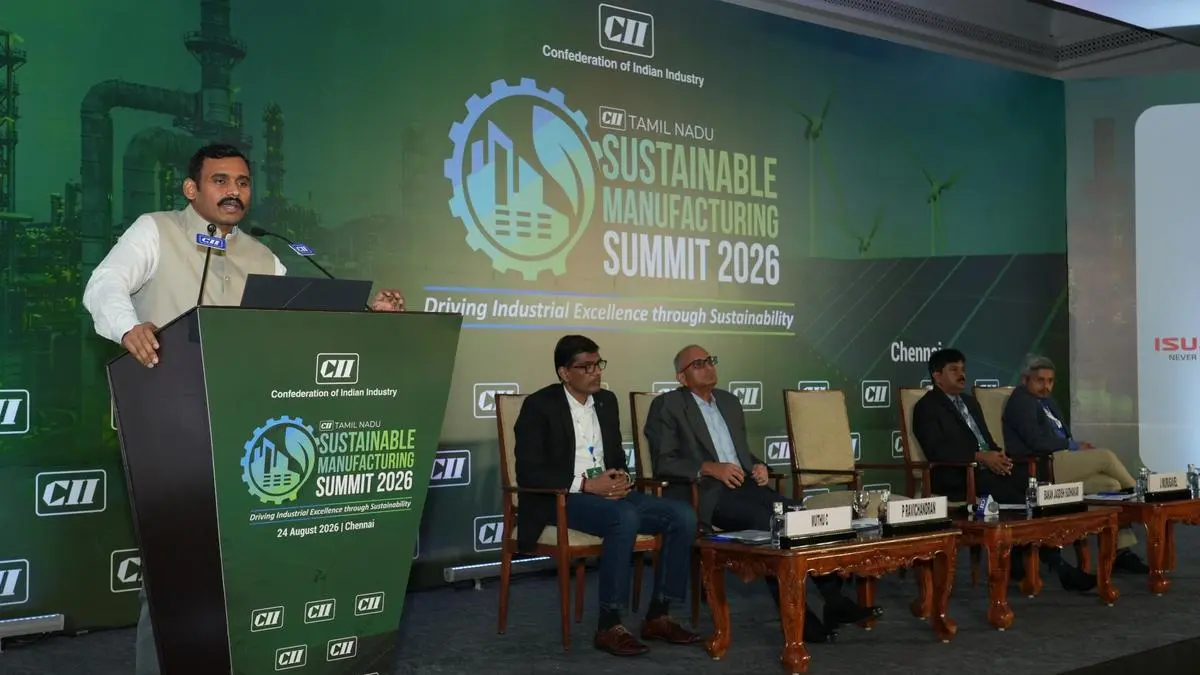
Sustainability is being seen as a direct way to reduce costs and improve efficiency, industry leaders said at the CII TN Sustainability Manufacturing Summit 2026. Tapan Upadhyay of Festo said companies should first find where energy is wasted. He said improperly installed pneumatic tubing can leak 150 litres of compressed air a minute, costing about Rs 1 lakh a year per joint, and oversizing components can increase air consumption by 50%.
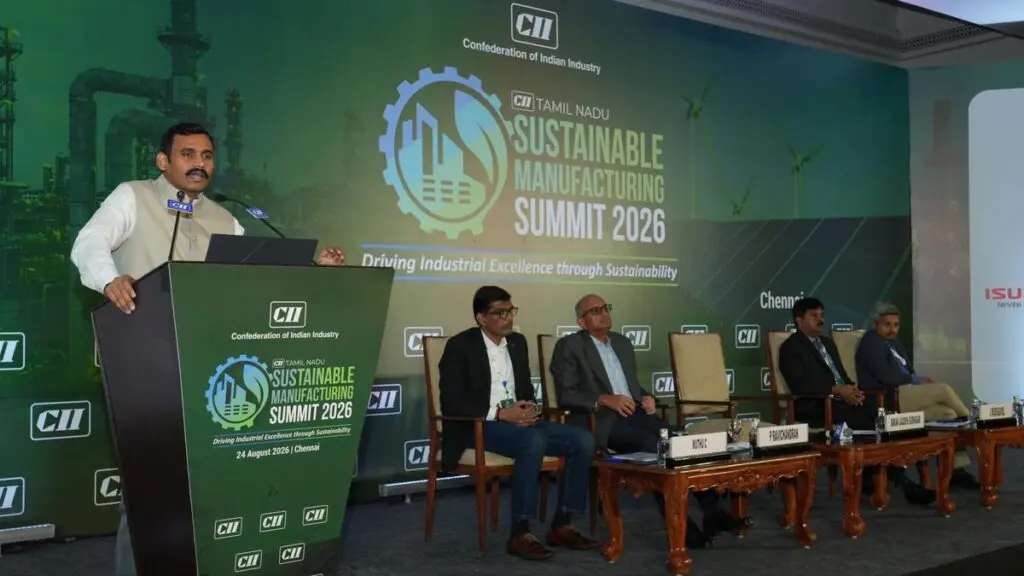
Prasant Tiwari of Amara Raja Group said 85% of the lead used in its batteries comes from recycled sources, and the company has set up India's largest lead-recycling smelter. He said early action on regulations like zero liquid discharge and carbon taxation can give a competitive advantage. Ashok Muthuswamy of TAFE said digital prototypes and supplier quality checks help produce more with less, and improving product efficiency is critical because Scope 3 emissions account for 98% of total emissions for many auto firms.
Indian Opinion Analysis
The summit signals a shift in Indian manufacturing: sustainability is no longer just a regulatory cost but a route to margin improvement. For a company like Amara Raja, where lead prices directly hit EBITDA, recycling is a hedge, not charity. The numbers from Festo, Rs 1 lakh per leak, 70-80% savings from optimisation, are concrete enough for CFOs to notice. The real test is adoption across small and medium units, which lack the capital for audits and retrofits. Watch if the government introduces incentives or mandates for compressed-air audits, as it did for energy efficiency under the Perform, Achieve and Trade scheme.
Source: thehindu.com
This story was synthesised by AI from the source linked above. Methodology and corrections.